14 Trends in Room Decor Minimalist Homes

Looking for stylish ways to create a calm and clutter-free home? These room decor minimalist trends will help you design a space that feels cozy, modern, and effortlessly beautiful.
Life already feels busy and overwhelming most days, so people naturally want homes that feel peaceful, organized, and visually relaxing after long hours of work and responsibilities.
Unlike older minimalist interiors that sometimes looked cold or unfinished, modern room decor minimalist styles now focus heavily on warmth, comfort, and personality.
Today’s minimalist homes combine soft neutral colors, cozy textures, natural wood finishes, layered lighting, and thoughtful decorative accents that make spaces feel welcoming instead of empty.
Another reason minimalist decor continues growing in popularity involves practicality because organized interiors often feel easier to clean, maintain, and enjoy throughout everyday living.
Even smaller homes can feel brighter and more spacious when furniture, colors, and decor pieces work together in a simple and balanced way.
Whether you love cozy neutral spaces, modern organic interiors, or clean contemporary aesthetics, minimalist decorating offers endless inspiration for creating a home that feels timeless and comfortable.
In this article, we have gathered 14 beautiful trends in room decor minimalist homes that will inspire your next home refresh or complete interior transformation.
14 Trends in Room Decor Minimalist Homes
Warm Neutral Color Palettes Are Replacing Stark White Interiors
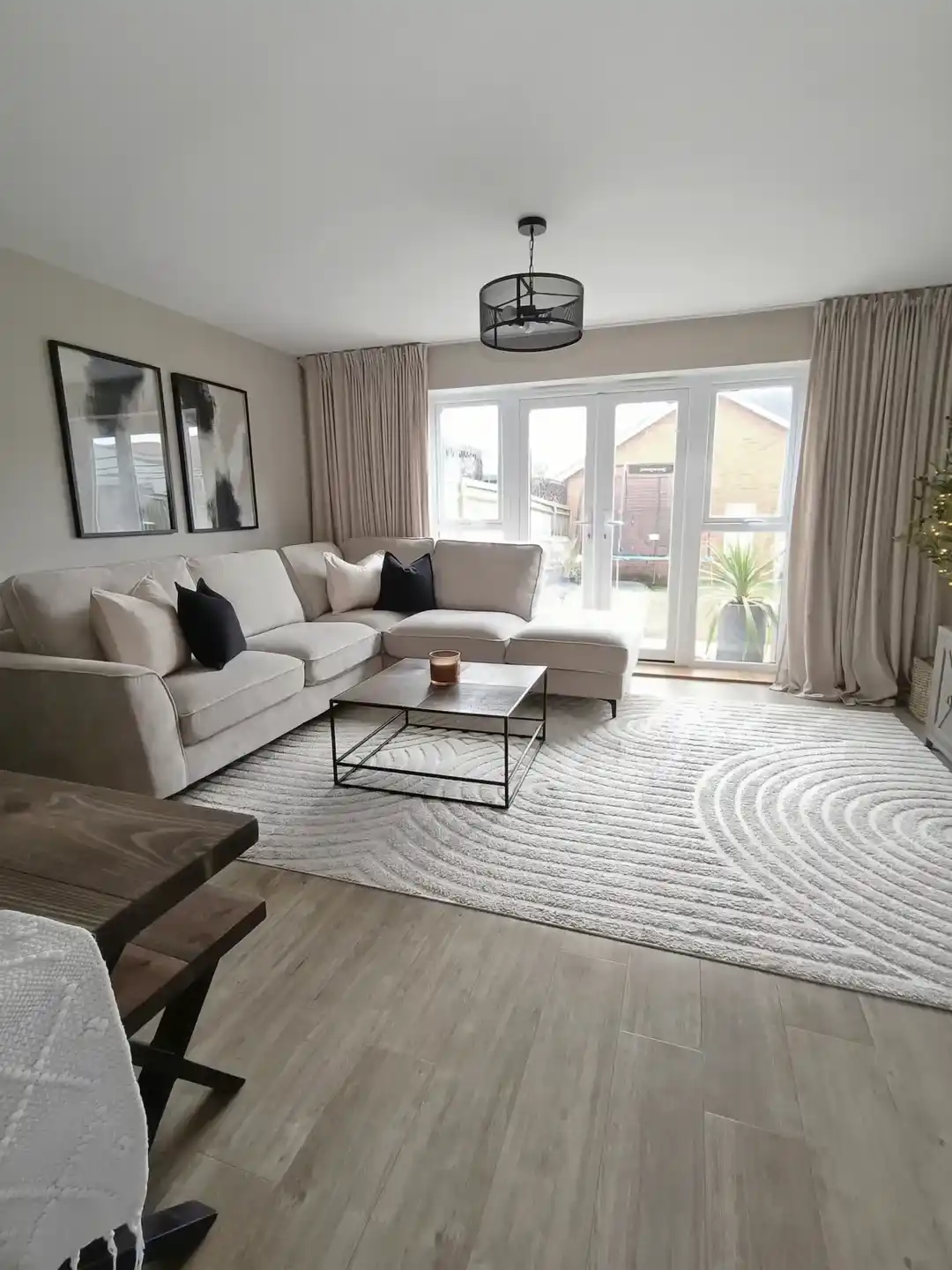
Warm neutral colors now dominate minimalist decorating because homeowners want interiors that feel inviting instead of overly bright or clinical throughout different seasons.
Soft beige, creamy ivory, muted taupe, warm sand, and earthy clay shades create calmer environments while maintaining the clean simplicity associated with minimalist homes.
These natural tones also pair beautifully with wooden furniture, woven accents, textured fabrics, and soft lighting that enhance warmth throughout living spaces.
Many homeowners now layer several neutral shades together instead of relying on one flat color throughout every room.
This approach adds subtle visual depth while helping interiors feel more sophisticated and naturally balanced without overwhelming the minimalist aesthetic.
Warm neutral palettes also adapt easily to changing seasonal decor, making minimalist interiors feel timeless instead of strongly tied to temporary decorating trends.
Natural Wood Finishes Are Becoming Essential in Minimalist Homes
aura_furnishing
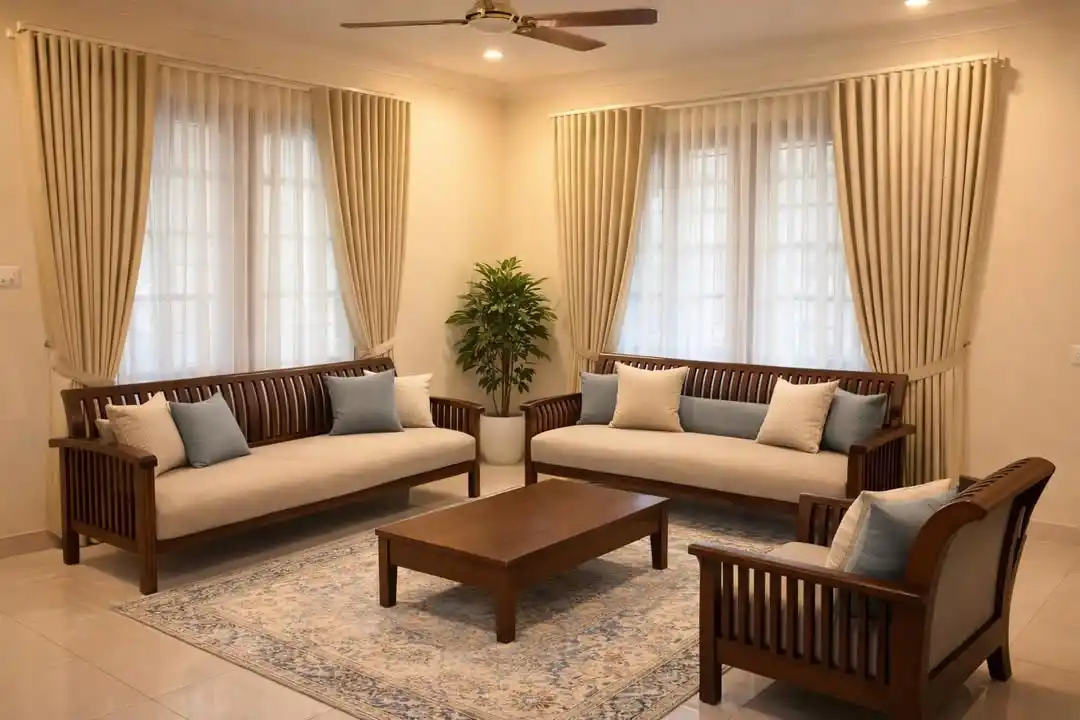
Natural wood remains one of the strongest minimalist decorating trends because it instantly introduces warmth, texture, and organic character into modern interiors.
Light oak, walnut, ash wood, and unfinished wooden surfaces work especially well inside minimalist homes that feature neutral color palettes and clean architectural lines.
Wooden furniture creates visual balance because natural textures soften sleek minimalist spaces without adding unnecessary decorative clutter or excessive visual weight.
Many homeowners now choose dining tables, shelves, coffee tables, and bed frames featuring visible wood grain and simple craftsmanship.
This design approach helps minimalist interiors feel grounded, cozy, and connected to nature-inspired decorating styles that remain popular throughout contemporary homes.
Combining natural wood with linen fabrics, woven rugs, and soft lighting also creates relaxing spaces that feel comfortable and effortlessly stylish year-round.
Layered Lighting Is Transforming Room Decor Minimalist Spaces
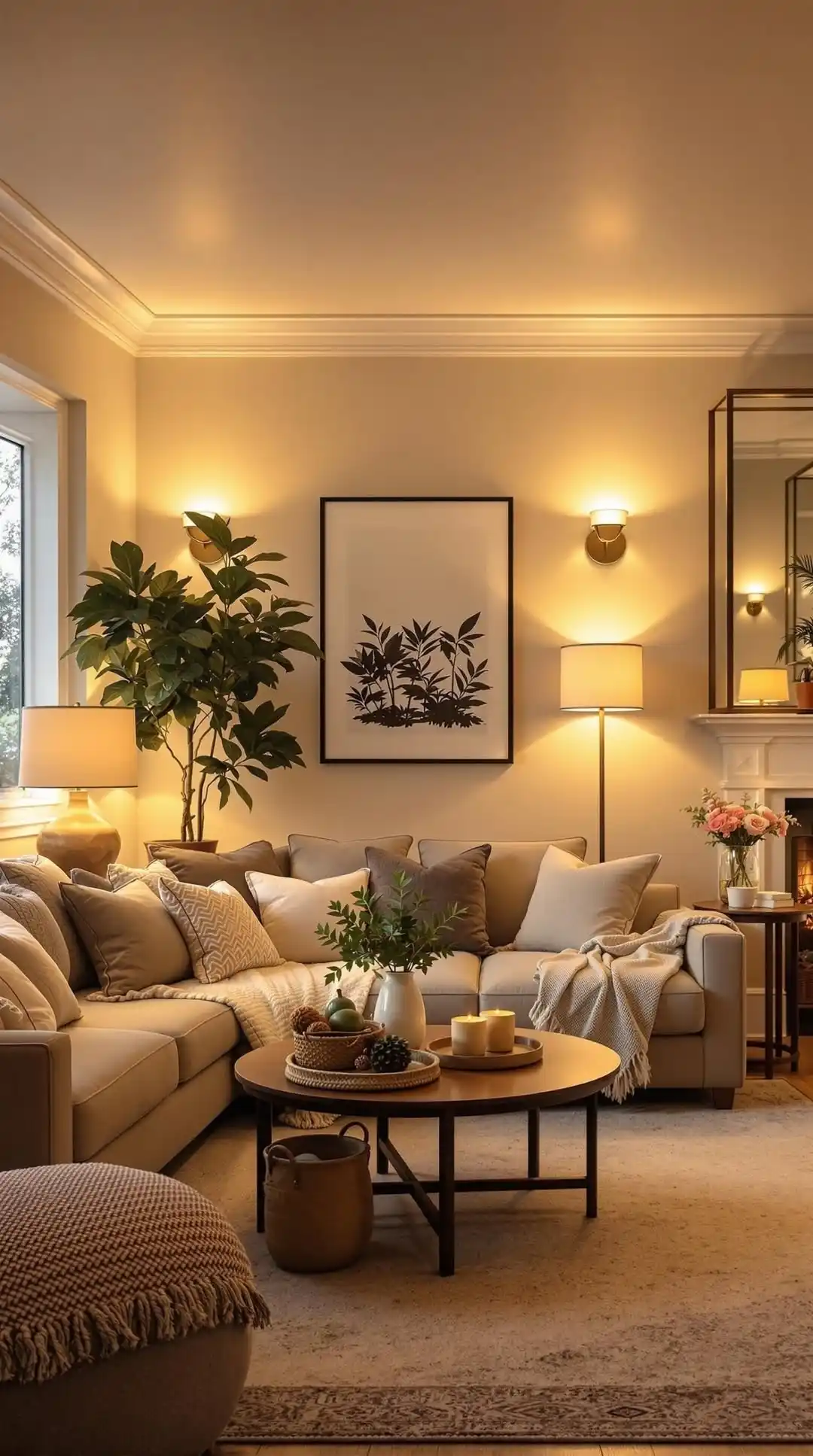
Minimalist interiors increasingly rely on layered lighting because single overhead fixtures often create harsh environments that feel flat and emotionally uninviting during evenings.
Modern homes now combine pendant lights, floor lamps, wall sconces, and table lamps to create softer atmospheres filled with warmth and visual depth.
This layered approach allows homeowners to adjust lighting throughout different times of the day while improving comfort inside living rooms and bedrooms naturally.
Warm-toned lighting also highlights textures, neutral color palettes, and decorative details that often define modern room decor minimalist interiors beautifully.
Many homeowners additionally install dimmable lighting because flexible brightness levels help create peaceful spaces ideal for relaxing or entertaining guests comfortably.
Well-planned lighting transforms minimalist homes completely by making clean interiors feel cozy, welcoming, and visually dynamic without introducing unnecessary decorative clutter.
Curved Furniture Shapes Are Softening Minimalist Interiors
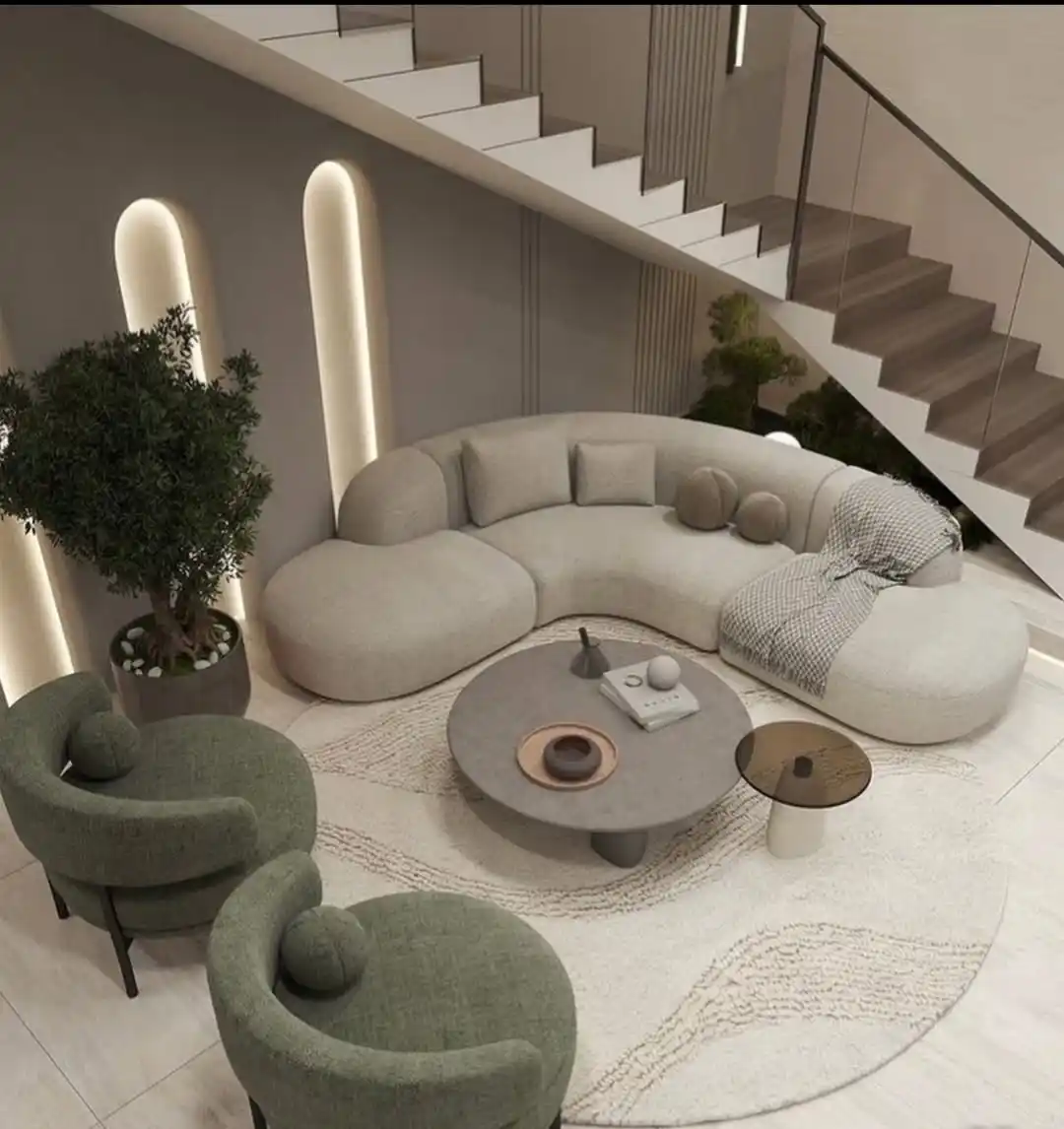
Curved furniture continues gaining popularity because rounded shapes create softer interiors that feel more comfortable and visually balanced than rigid geometric designs.
Minimalist homes now frequently feature curved sofas, circular coffee tables, rounded mirrors, and arched decorative accents that introduce movement naturally.
These softer silhouettes help rooms feel more welcoming while reducing the sharp appearance often associated with older minimalist decorating trends.
Curved furniture also improves visual flow because rounded edges guide the eye smoothly throughout the room without creating harsh visual interruptions.
Many homeowners combine curved furniture with warm neutral palettes and textured fabrics to create interiors that feel elegant yet relaxed every day.
This trend works especially well inside smaller homes because softer shapes often make compact spaces appear more open and naturally inviting for guests.
Hidden Storage Solutions Are Becoming More Creative
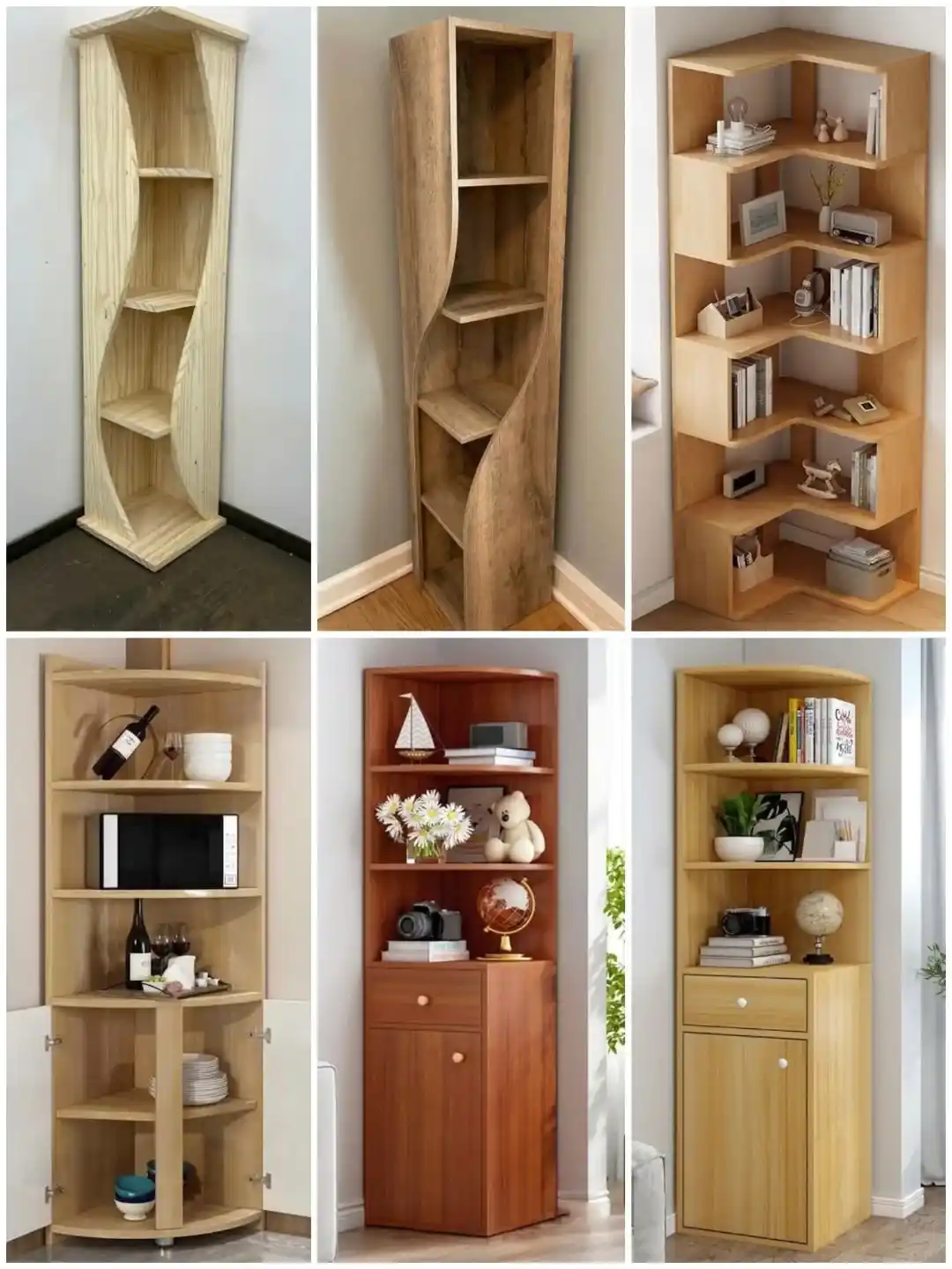
Storage remains essential within minimalist homes because clutter quickly disrupts the calm and organized atmosphere homeowners want to maintain daily.
Modern furniture now includes creative storage features like hidden drawers, built-in shelving, under-seat compartments, and multifunctional pieces designed for smaller living spaces.
These practical solutions help homeowners organize belongings efficiently while preserving the clean appearance associated with room decor minimalist interiors throughout the home.
Storage ottomans, platform beds, and sleek media units especially help maximize functionality without overcrowding rooms visually or reducing valuable walking space.
Many homeowners also prefer floating cabinets because they create additional storage while helping rooms appear lighter and more spacious overall.
Thoughtful storage solutions support minimalist lifestyles beautifully because organized interiors often feel calmer, easier to maintain, and significantly more visually relaxing.
Textured Fabrics Are Replacing Glossy Minimalist Finishes
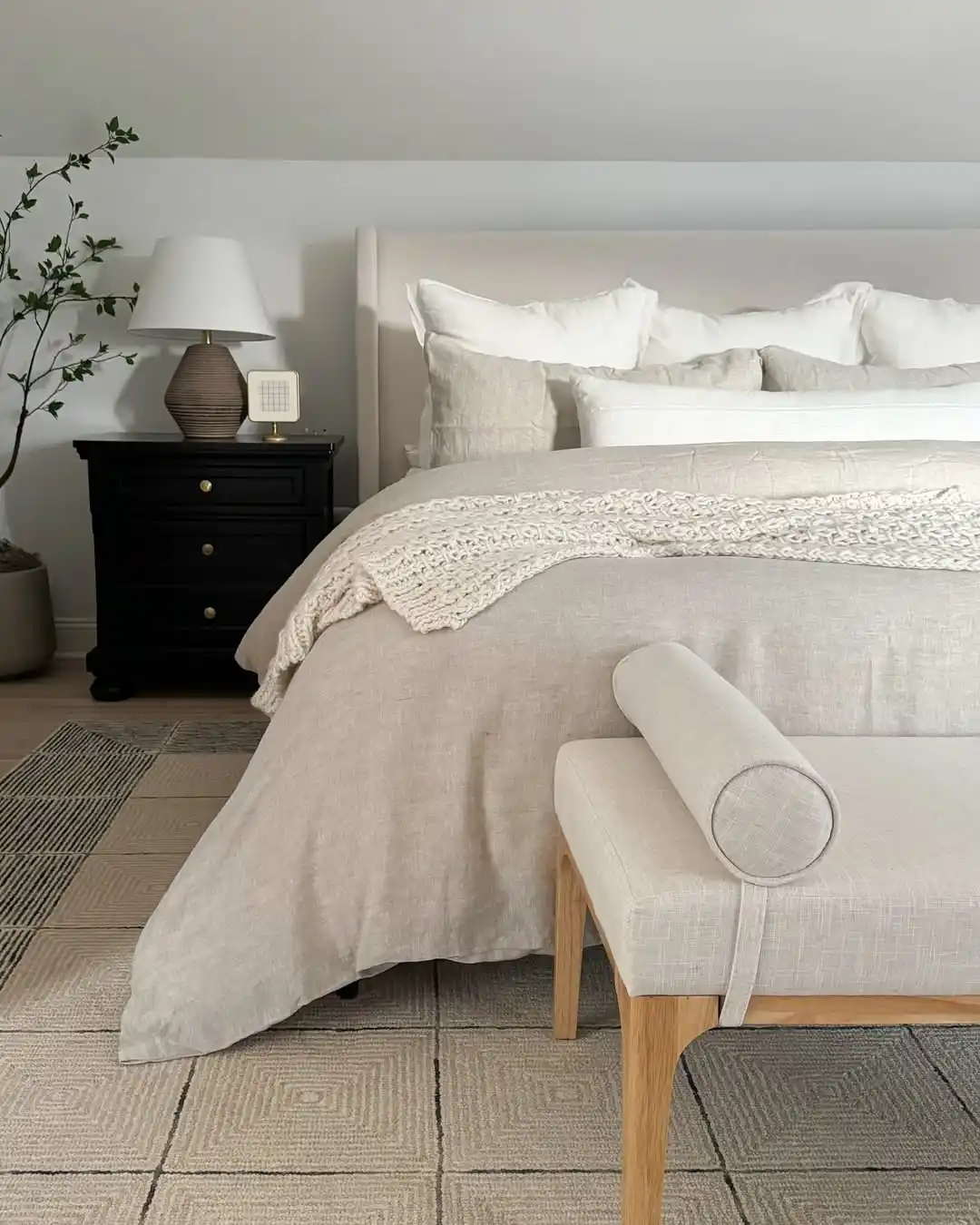
Minimalist interiors now emphasize texture because glossy surfaces sometimes create cold spaces lacking warmth, depth, and visual comfort throughout everyday living areas.
Homeowners increasingly choose linen curtains, boucle chairs, woven rugs, cotton bedding, and knitted throws to soften minimalist interiors naturally.
Layering textured materials creates visual richness while maintaining the clean and uncluttered appearance that defines modern minimalist decorating styles successfully.
These fabrics also improve comfort because soft textures help minimalist spaces feel cozy instead of overly polished or emotionally distant during daily use.
Many designers now combine multiple subtle textures together instead of relying heavily on bold patterns or colorful decorative accessories.
This decorating approach creates balanced interiors that feel elegant, welcoming, and visually interesting without overwhelming the simplicity central to minimalist home aesthetics.
Indoor Plants Continue Defining Minimalist Room Styling
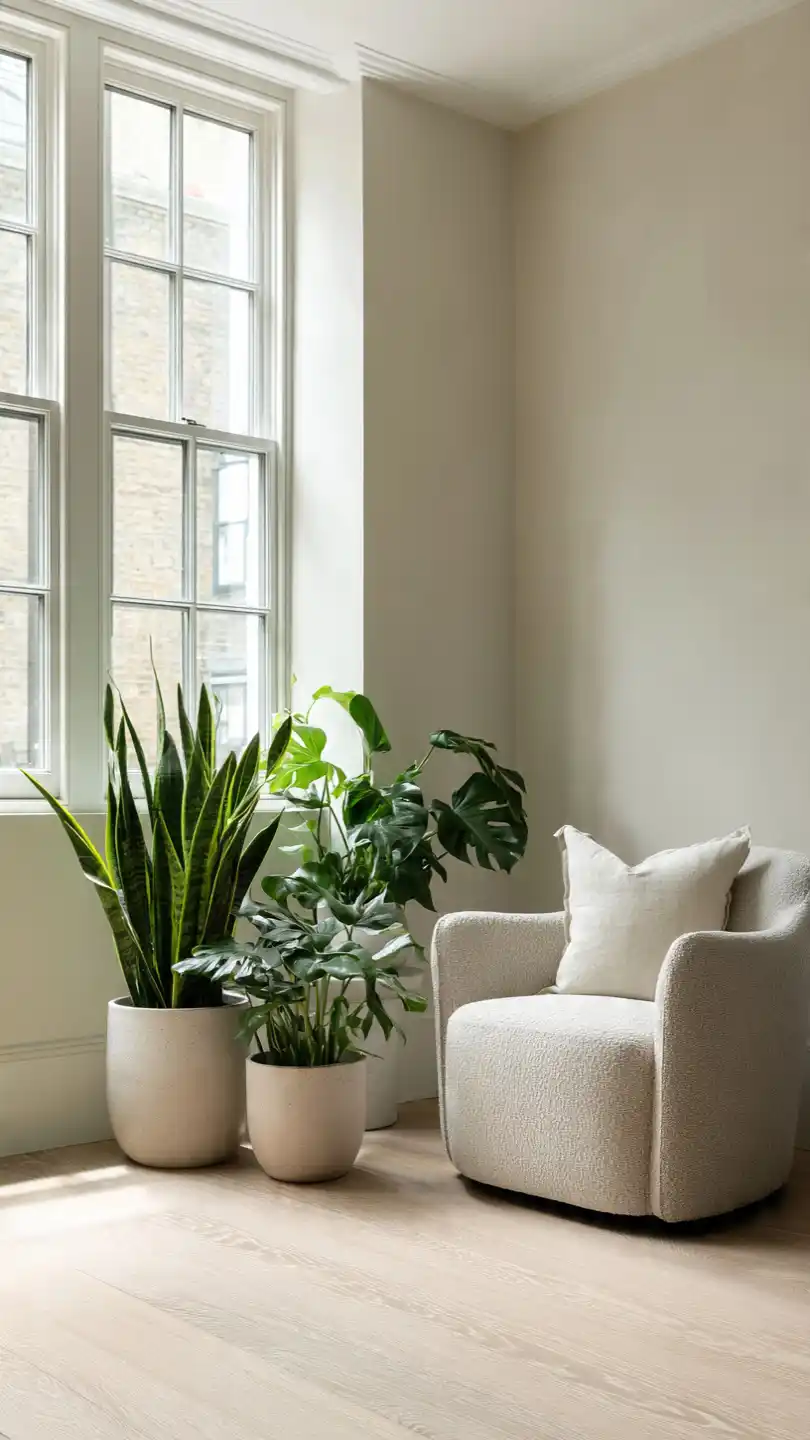
Indoor plants remain extremely popular because greenery instantly adds freshness, movement, and natural beauty to minimalist homes without creating visual clutter.
Large leafy plants, olive trees, hanging planters, and compact tabletop greenery soften architectural lines while brightening neutral minimalist interiors naturally.
Plants also pair beautifully with wooden furniture, textured fabrics, and warm lighting that commonly appear throughout contemporary room decor minimalist spaces today.
Many homeowners place greenery near windows, shelves, and empty corners to create visual balance while improving the overall atmosphere within living spaces.
Even smaller apartments benefit from indoor plants because carefully placed greenery often makes compact interiors feel calmer and more connected to nature.
Beyond aesthetics, plants also encourage peaceful environments that support relaxation, healthier routines, and more comfortable everyday living inside minimalist homes.
Multifunctional Furniture Is Becoming More Stylish
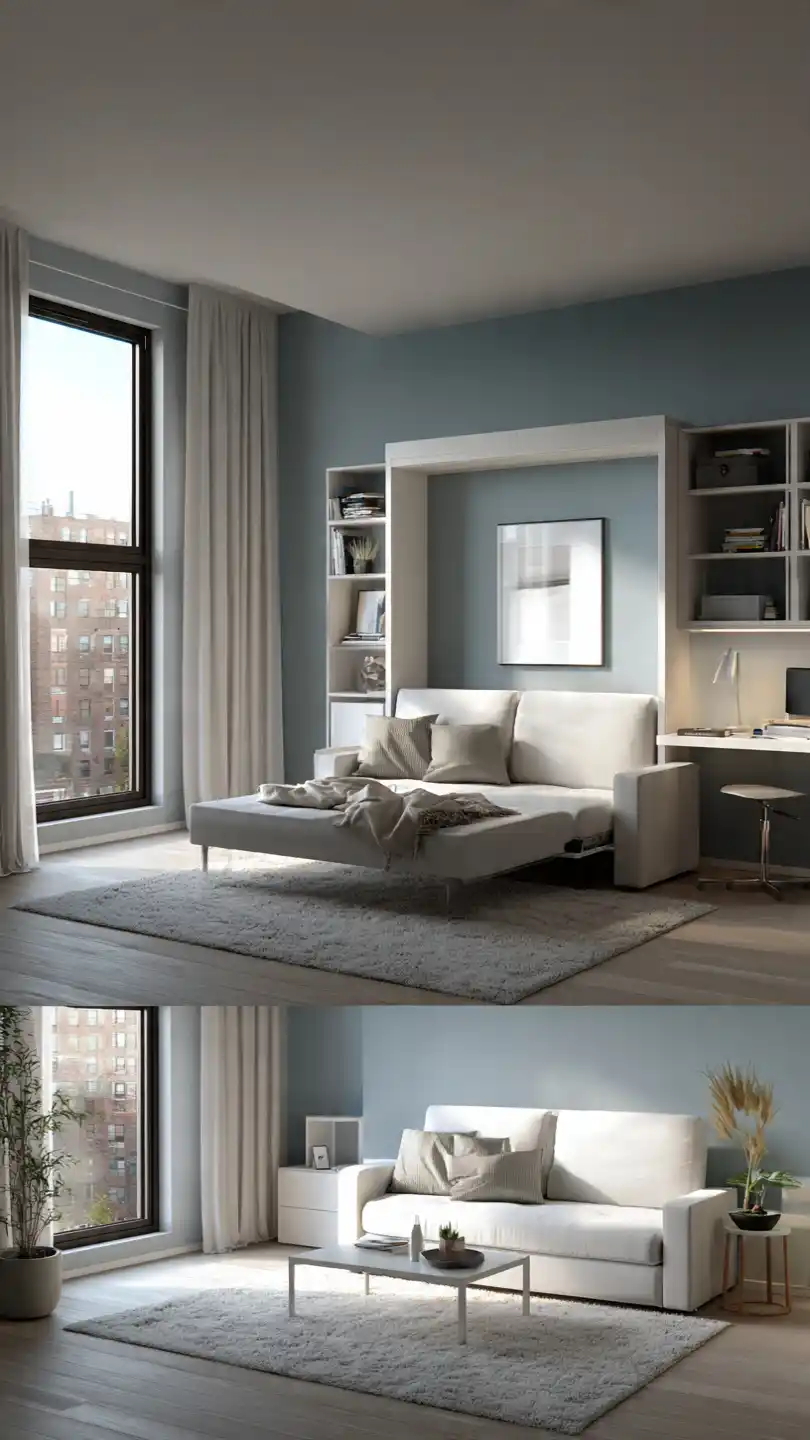
Multifunctional furniture continues growing in popularity because homeowners increasingly value flexibility and efficient layouts inside modern minimalist homes and apartments.
Expandable dining tables, modular sofas, foldable desks, and storage benches now combine stylish designs with practical functionality for everyday living needs.
These versatile furniture pieces help maximize available space while preventing rooms from feeling crowded or visually overwhelming during busy daily routines.
Many homeowners especially appreciate multifunctional furniture because modern homes often require spaces that support working, relaxing, entertaining, and family activities simultaneously.
Designers now create multifunctional pieces with sleek finishes and minimalist silhouettes that blend naturally into contemporary interiors without appearing bulky or outdated.
This trend supports minimalist living beautifully because practical furniture choices help homeowners maintain organized, adaptable, and visually balanced interiors effortlessly.
Statement Art Pieces Are Replacing Excessive Wall Decor
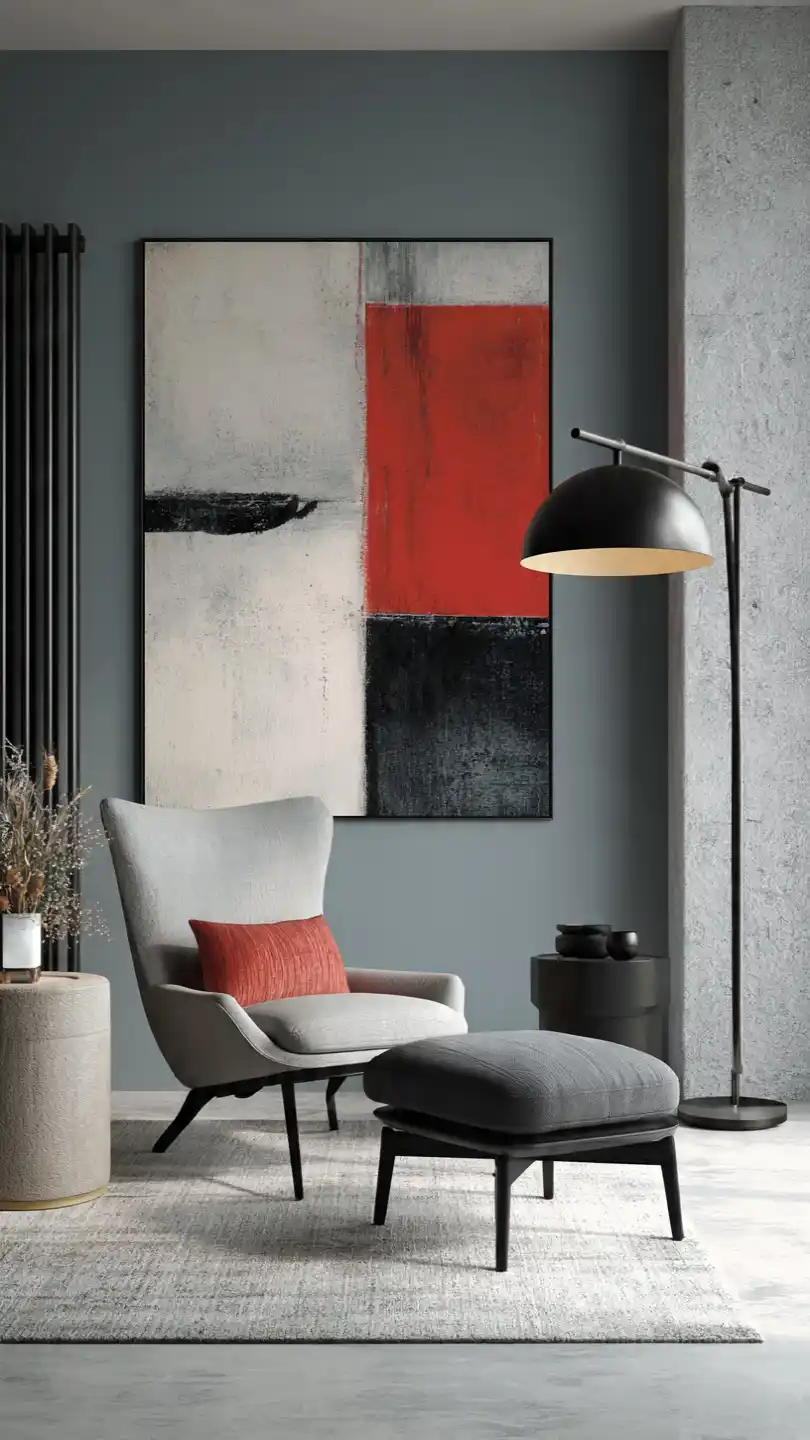
Minimalist homes increasingly feature larger statement artwork because crowded gallery walls sometimes create unnecessary visual noise throughout otherwise calming interiors.
Oversized framed prints, textured canvases, and abstract artwork create strong visual impact while preserving the simplicity central to minimalist decorating styles.
These carefully selected art pieces help personalize minimalist interiors without overwhelming walls with excessive decorative accessories or complicated arrangements.
Many homeowners choose artwork featuring neutral palettes, earthy tones, and subtle textures that complement warm minimalist interiors beautifully and naturally.
Statement artwork also draws attention intentionally, allowing homeowners to create focal points without relying heavily on additional decorative items throughout the room.
This decorating approach keeps minimalist spaces visually clean while still adding personality, creativity, and meaningful artistic expression into everyday living environments.
Open Shelving Is Becoming More Intentional and Organized
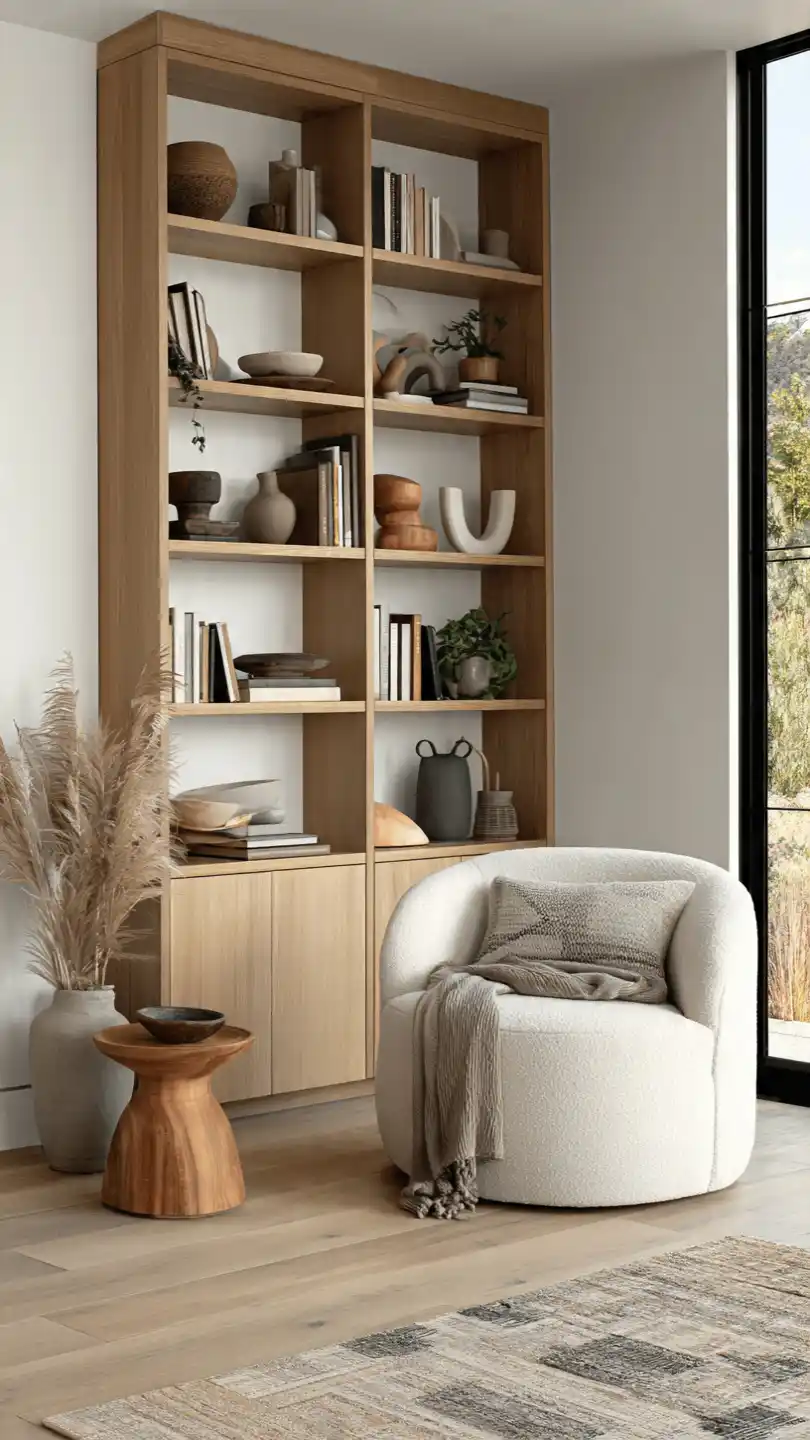
Open shelving continues evolving because homeowners now style shelves more thoughtfully instead of overcrowding them with unnecessary decorative accessories and random household items.
Modern minimalist shelves often display books, ceramic pieces, framed artwork, woven baskets, candles, and small plants arranged with balanced spacing and coordination.
This organized styling approach helps shelves appear curated while maintaining the clean and calming atmosphere associated with minimalist interior design principles.
Many homeowners now focus on displaying fewer items with stronger visual impact instead of filling every shelf completely from edge to edge.
Balanced shelf styling also creates breathing room, which allows decorative pieces to stand out naturally without making interiors feel visually chaotic or cluttered.
Intentional organization transforms open shelving into stylish focal points that support both practicality and visual harmony inside minimalist living spaces successfully.
Cozy Minimalism Is Replacing Ultra-Strict Minimalist Design
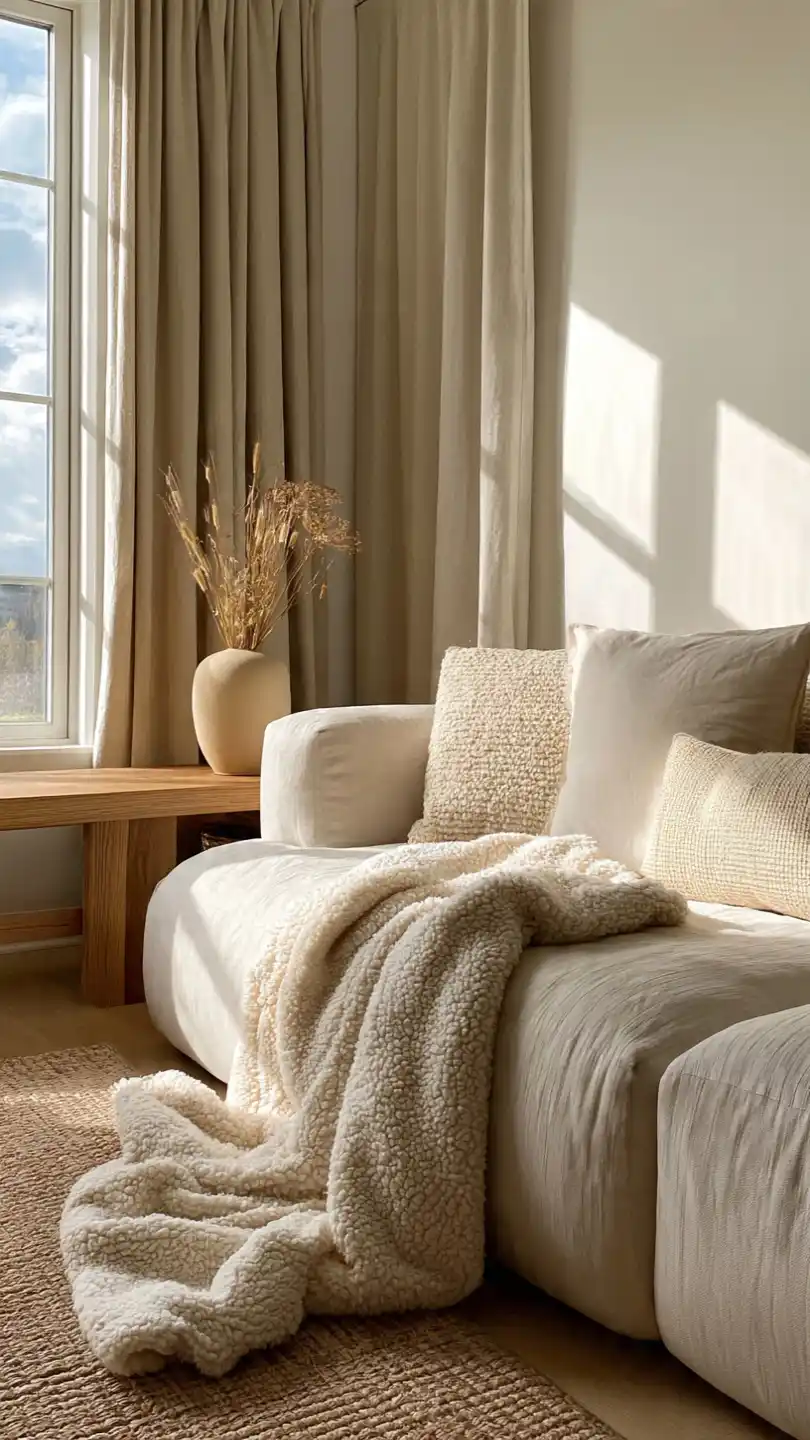
Cozy minimalism continues growing because homeowners want interiors that feel emotionally welcoming instead of rigid, sterile, or difficult to maintain comfortably every day.
This decorating style combines simplicity with soft fabrics, warm lighting, layered textures, and comfortable furniture that encourage relaxation throughout the home naturally.
Many people now realize minimalist interiors should support realistic lifestyles instead of forcing strict design rules that remove comfort and personal expression completely.
Cozy minimalist homes often feature textured bedding, soft rugs, warm neutral palettes, and inviting seating arrangements that improve everyday comfort beautifully.
This balanced approach still maintains organized and uncluttered interiors while creating spaces that feel lived-in, peaceful, and genuinely enjoyable for families and guests.
The popularity of cozy minimalism reflects changing homeowner priorities focused on emotional comfort, practicality, and sustainable long-term decorating choices.
Sustainable Decor Choices Are Influencing Minimalist Homes
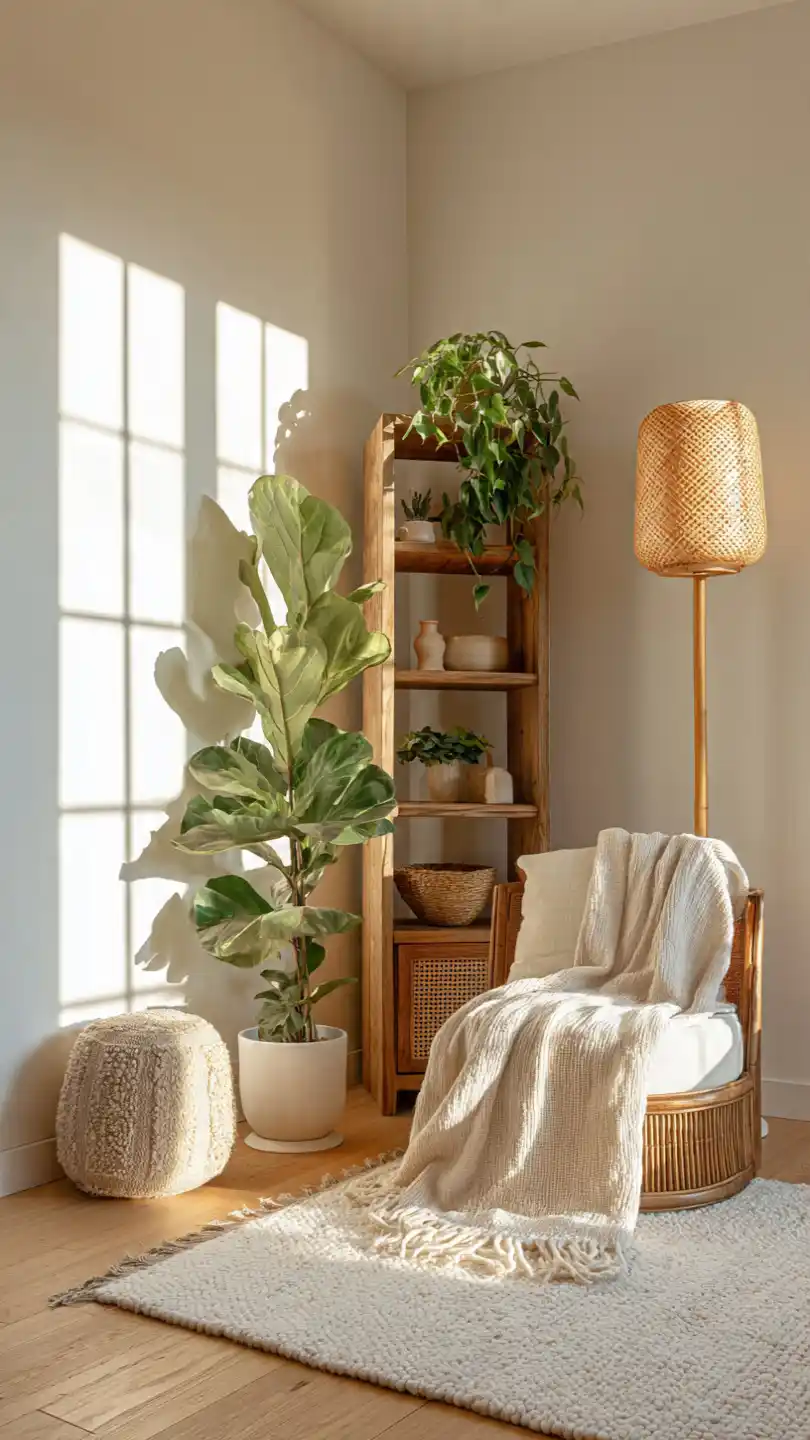
Sustainability strongly influences modern minimalist decorating because homeowners increasingly prefer durable pieces instead of constantly replacing inexpensive trend-driven furniture and accessories.
Vintage furniture, handcrafted decor, recycled materials, and ethically produced home items align naturally with minimalist values centered around intentional purchasing decisions.
Choosing fewer high-quality pieces also reduces unnecessary waste while helping interiors feel timeless, authentic, and visually meaningful over many years.
Many homeowners now appreciate handcrafted furniture because natural imperfections often add character and warmth to clean minimalist interiors beautifully.
Sustainable decorating additionally encourages people to prioritize versatile designs that remain functional and stylish despite changing seasonal trends or evolving home aesthetics.
This thoughtful mindset supports minimalist living perfectly because intentional decorating choices often create calmer homes filled with meaningful and long-lasting pieces.
Minimalist Bedrooms Are Becoming More Relaxation-Focused
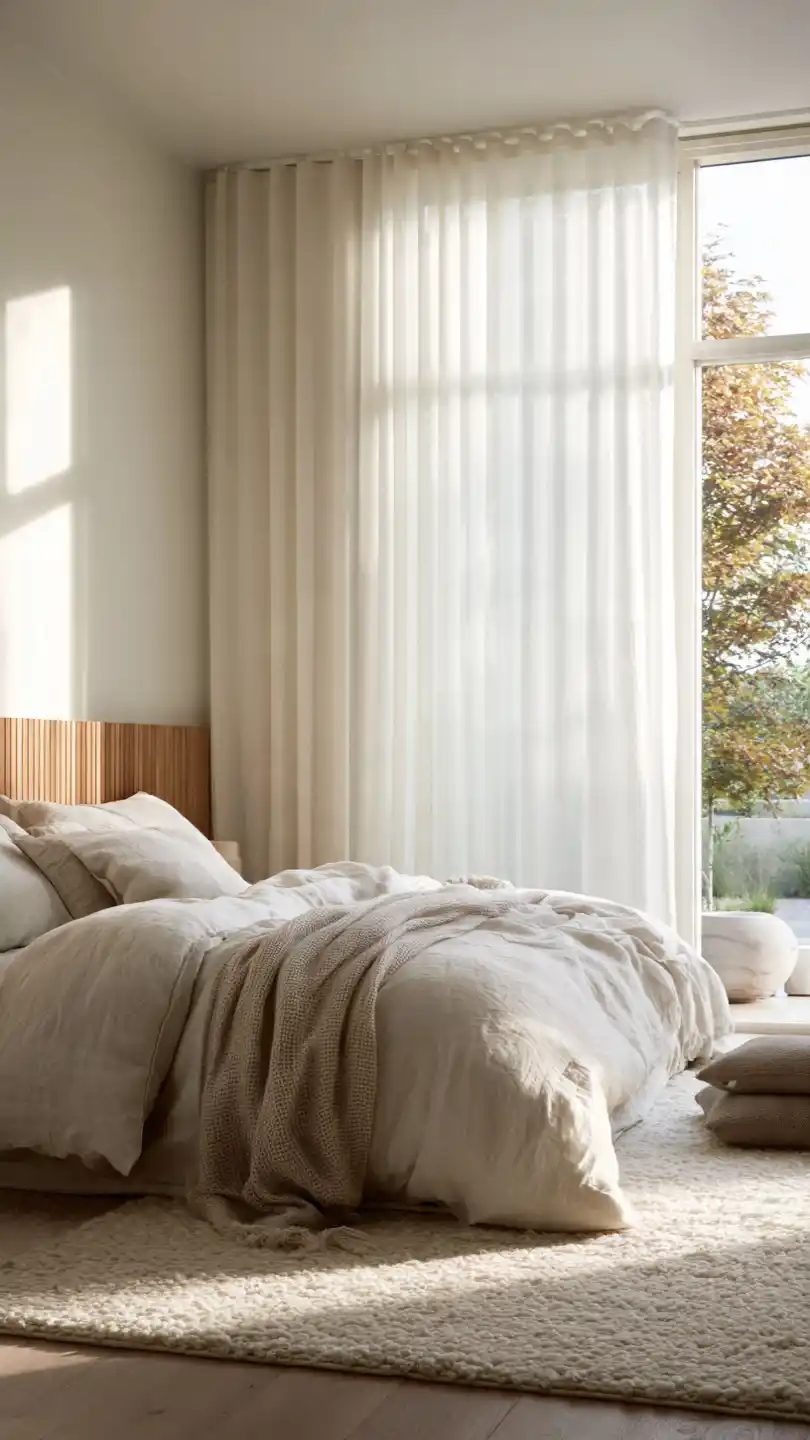
Minimalist bedroom trends now emphasize comfort because homeowners increasingly recognize how peaceful environments improve sleep quality and reduce everyday stress naturally.
Modern minimalist bedrooms often feature calming color palettes, layered bedding, warm lighting, and reduced clutter that support restful nighttime routines consistently.
Simple furniture layouts also make bedrooms feel larger while creating cleaner spaces that encourage relaxation instead of visual overstimulation before sleeping.
Many homeowners additionally choose blackout curtains, soft rugs, and textured linens that increase comfort without disrupting minimalist design balance throughout the room.
Decorative accents remain minimal, although carefully selected artwork and subtle accessories still add personality and warmth into these peaceful bedroom environments beautifully.
This relaxation-focused approach transforms minimalist bedrooms into calming retreats that support healthier routines and more restorative sleep every single night.
Personalized Minimalist Decor Is Becoming More Popular
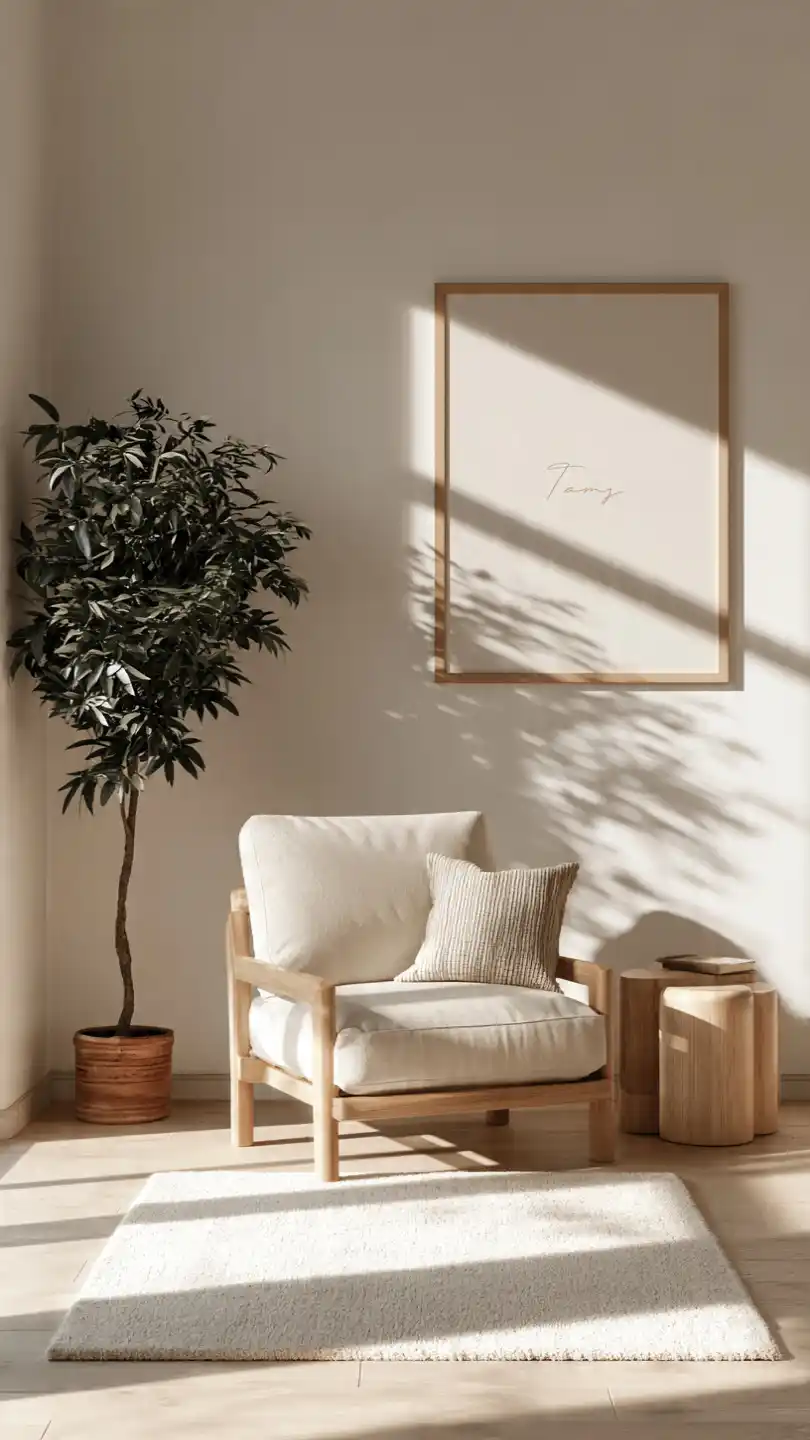
Minimalist homes increasingly embrace personal touches because homeowners want interiors reflecting meaningful experiences instead of appearing overly staged or generic visually.
Family photographs, handmade ceramics, travel souvenirs, favorite books, and sentimental decorative items now appear more frequently throughout minimalist living spaces naturally.
The key involves displaying fewer meaningful objects thoughtfully rather than filling rooms with excessive accessories that create clutter and reduce visual harmony.
Many homeowners now curate personal collections carefully, ensuring each decorative piece contributes positively to the room’s overall atmosphere and minimalist aesthetic balance.
This decorating approach creates interiors that feel authentic, emotionally connected, and welcoming while still maintaining organized and visually calming environments throughout the home.
Personalized room decor minimalist spaces ultimately feel warmer because meaningful details help transform simple interiors into homes filled with genuine comfort and personality.
Small Details That Instantly Improve Minimalist Interiors
Small decorating changes often create dramatic improvements inside minimalist homes without requiring expensive renovations or major furniture replacements throughout the space.
Replacing harsh lighting with warm bulbs instantly softens interiors while making neutral palettes and textured materials appear richer and more inviting visually.
Many homeowners also improve minimalist spaces by introducing woven baskets, textured cushions, lightweight curtains, and natural wood accessories that add subtle warmth naturally.
Keeping countertops and tables partially empty additionally creates breathing room that allows carefully selected decorative items to stand out beautifully and intentionally.
Editing unnecessary decor instead of constantly purchasing new accessories often produces cleaner interiors that feel calmer and easier to maintain daily.
These simple adjustments help minimalist homes appear polished, balanced, and welcoming while preserving the organized simplicity homeowners appreciate most consistently.
Common Mistakes That Make Minimalist Homes Feel Cold
Many minimalist interiors lose warmth because homeowners remove too many personal details while focusing excessively on visual perfection and strict decorating rules.
Overusing gray tones, glossy finishes, and harsh lighting also creates environments that feel sterile instead of calm, welcoming, and emotionally comfortable throughout everyday living.
Some homeowners additionally avoid texture completely, although layered fabrics and natural materials remain essential for creating inviting minimalist interiors successfully.
Filling rooms with identical furniture pieces can also make minimalist homes appear flat, repetitive, and lacking meaningful personality or visual depth naturally.
Successful minimalist decorating always balances simplicity with warmth, comfort, and thoughtful personal expression that supports practical everyday living habits beautifully.
The best minimalist homes feel organized and peaceful while still reflecting the lifestyles, preferences, and emotional comfort of the people living inside them.