Perfect Minimalist Home Ideas: 13 Clean and Cozy Spaces

Are you searching for easy ways to transform your space into a peaceful minimalist home? From smart storage tips to cozy decor inspiration, these curated ideas will help you create a stylish and relaxing atmosphere.
The rooms feel lighter, the surfaces look cleaner, and somehow the entire space seems easier to enjoy without constant distractions or overwhelming clutter everywhere.
That peaceful atmosphere explains why minimalist interiors continue becoming one of the most loved home design styles among modern homeowners today.
People want homes that support relaxation and comfort instead of spaces constantly demanding cleaning, organizing, and endless maintenance throughout busy weeks.
One of the best things about minimalist living is that it works with almost every type of home, regardless of size or decorating style.
Whether you love Scandinavian interiors, cozy neutral spaces, modern farmhouse decor, or natural earthy textures, minimalist design principles can support your vision beautifully.
Another reason minimalist homes remain timeless is because they focus on functionality, balance, and intentional choices rather than fast-changing decorating trends.
Simple furniture layouts, calming color palettes, natural materials, and thoughtful storage systems can completely transform how a home feels every day.
The goal is not creating a perfectly staged showroom but building a home that feels peaceful, practical, and genuinely comfortable for real life.
If you have been searching for ways to simplify your space while keeping it warm and welcoming, these ideas will inspire your next home refresh.
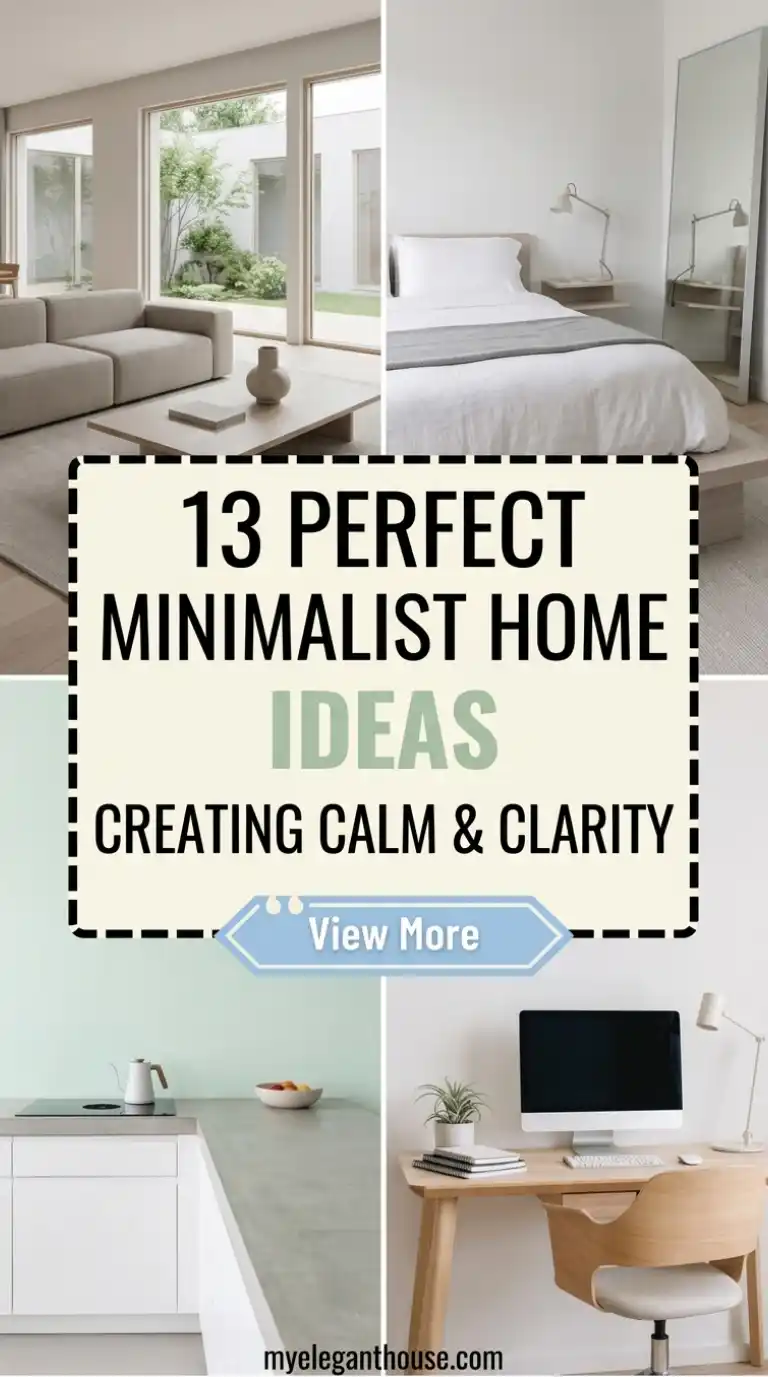
In this article, we are sharing 13 practical steps that will help you create a perfect minimalist home filled with comfort, balance, and timeless style.
The Secret Behind a Cozy Minimalist Home
Many people incorrectly assume minimalist interiors should look empty, overly modern, or completely stripped of warmth and personal character throughout the home.
In reality, the most beautiful minimalist home designs combine simplicity with comfort, texture, natural materials, and meaningful decorative elements carefully.
A cozy minimalist home feels inviting because every piece contributes purpose, warmth, and visual balance without creating unnecessary clutter or distractions.
Soft lighting, layered fabrics, neutral colors, and natural wood finishes help minimalist interiors feel relaxing and emotionally comforting during everyday living.
Instead of overcrowding rooms with trendy decorations, minimalist design highlights fewer pieces that genuinely support the atmosphere and overall functionality beautifully.
This balanced approach creates interiors that feel peaceful, practical, stylish, and deeply connected to real daily living instead of temporary decorating trends.
13 Steps to a Perfect Minimalist Home
Start Your Minimalist Home With a Deep Decluttering Session
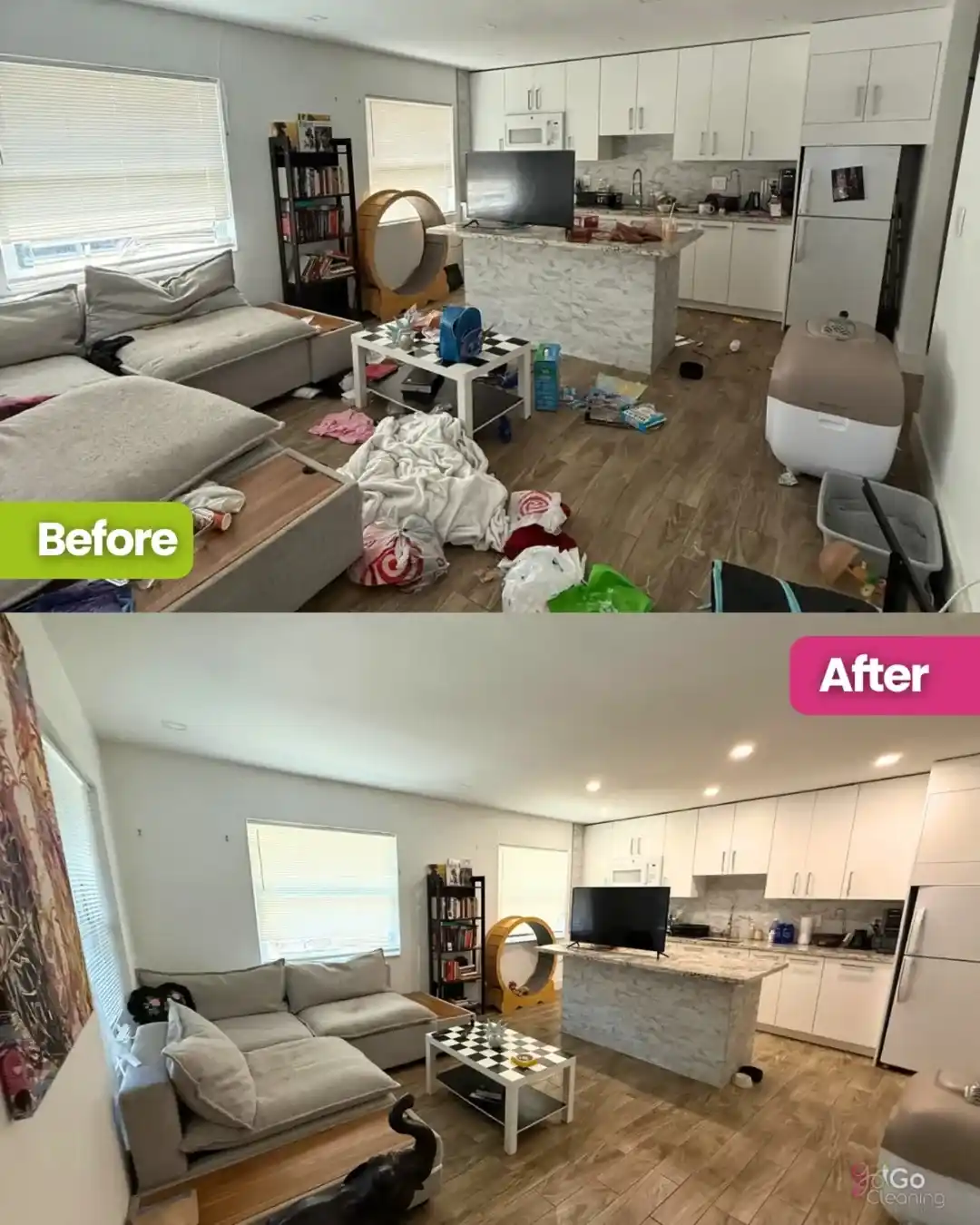
Every successful minimalist home begins with removing unnecessary belongings that create visual stress and make rooms feel crowded or difficult to organize consistently.
Instead of decluttering the entire house at once, focus on one manageable area that allows steady progress without creating frustration or burnout quickly.
Closets, kitchen counters, entryways, and overflowing storage cabinets usually provide excellent starting points because clutter often builds there naturally over time.
Keep items that genuinely support your lifestyle, daily comfort, or meaningful memories while removing duplicates and rarely used belongings confidently.
Storage bins, labeled baskets, and simple drawer organizers can help maintain order while making important items easier to access throughout busy routines.
Once unnecessary clutter disappears, your minimalist home immediately feels brighter, calmer, and significantly more functional without requiring expensive renovations or furniture replacements.
This simple first step creates the foundation for every other minimalist design improvement throughout the rest of the home successfully.
Choose a Soft and Consistent Color Palette
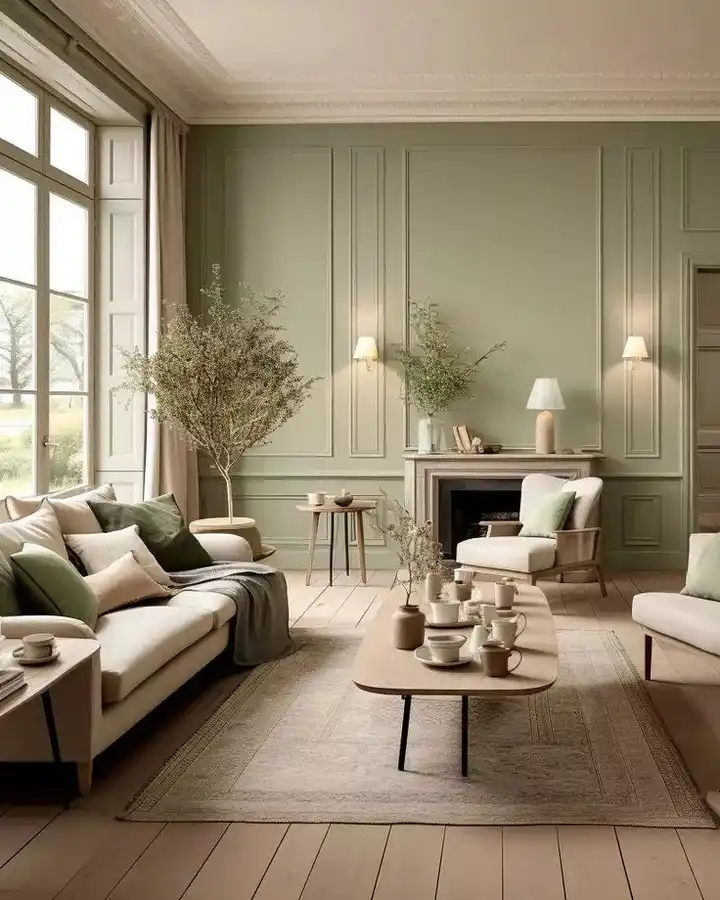
A calming color palette plays an important role in helping a minimalist home feel peaceful, balanced, and visually connected throughout different living spaces.
Neutral shades like warm white, soft beige, light gray, muted taupe, and earthy tones create an airy atmosphere supporting minimalist interior design beautifully.
These colors reflect natural light effectively, helping both small and large rooms appear brighter, cleaner, and much more spacious during everyday living.
Consistency also improves visual flow because rooms transition naturally from one area to another without overwhelming contrasts or distracting color combinations.
You can still introduce personality through textured fabrics, subtle accent colors, greenery, or natural materials without disrupting the overall minimalist aesthetic completely.
Avoid using too many bold patterns or competing shades because excessive variation can quickly make minimalist interiors feel visually cluttered and chaotic again.
A soft, cohesive palette helps every room feel calmer, warmer, and easier to decorate throughout changing seasons and lifestyle adjustments naturally.
Prioritize Functional Furniture Over Excessive Decoration
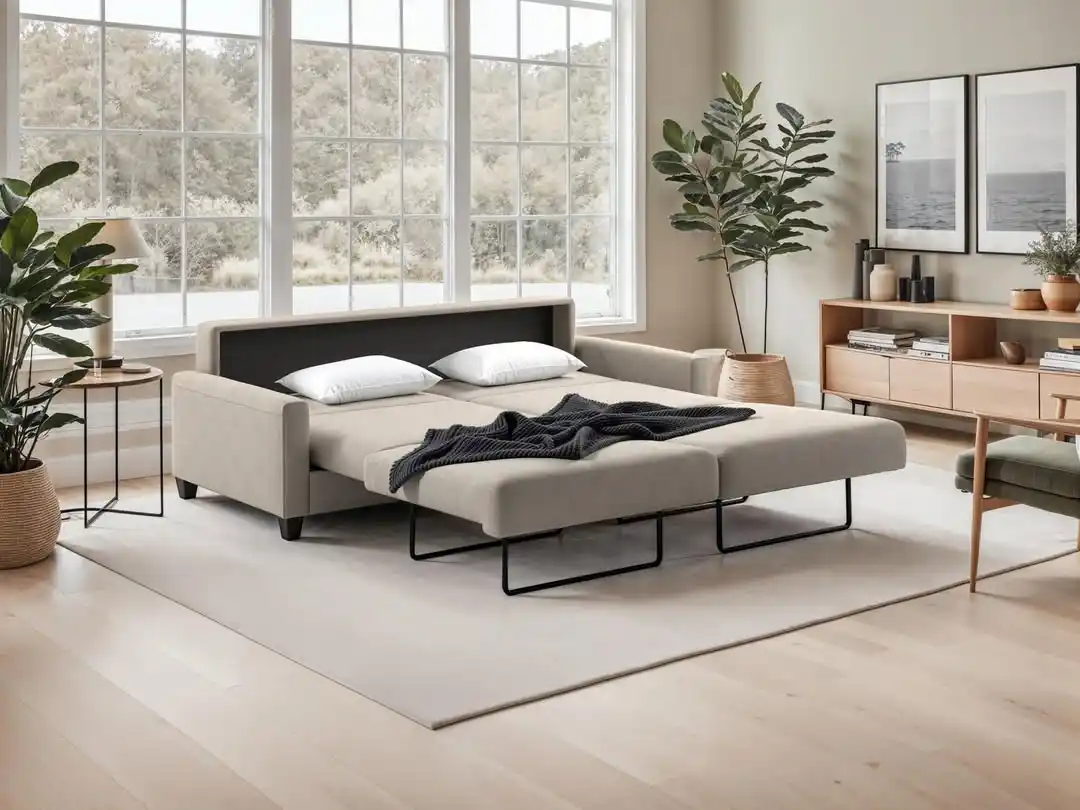
Furniture choices strongly influence whether a minimalist home feels practical, comfortable, and visually balanced or overcrowded and difficult to navigate comfortably every day.
Choose furniture pieces that support daily routines while maintaining clean lines, simple silhouettes, and useful functionality throughout different rooms naturally.
Oversized sofas, bulky tables, and unnecessary accent chairs often consume valuable floor space without improving comfort or practical household organization significantly.
Instead, focus on furniture that serves multiple purposes while preserving an open and breathable atmosphere throughout the home consistently.
Storage benches, extendable dining tables, and beds with hidden drawers work especially well inside compact minimalist homes where efficiency matters greatly.
Leaving enough open space around furniture also improves movement, enhances visual balance, and helps rooms feel calmer and significantly more organized overall.
A thoughtfully arranged minimalist home always prioritizes comfort, functionality, and intentional design choices over unnecessary decorative excess or temporary furniture trends.
Use Natural Light to Create an Open Atmosphere
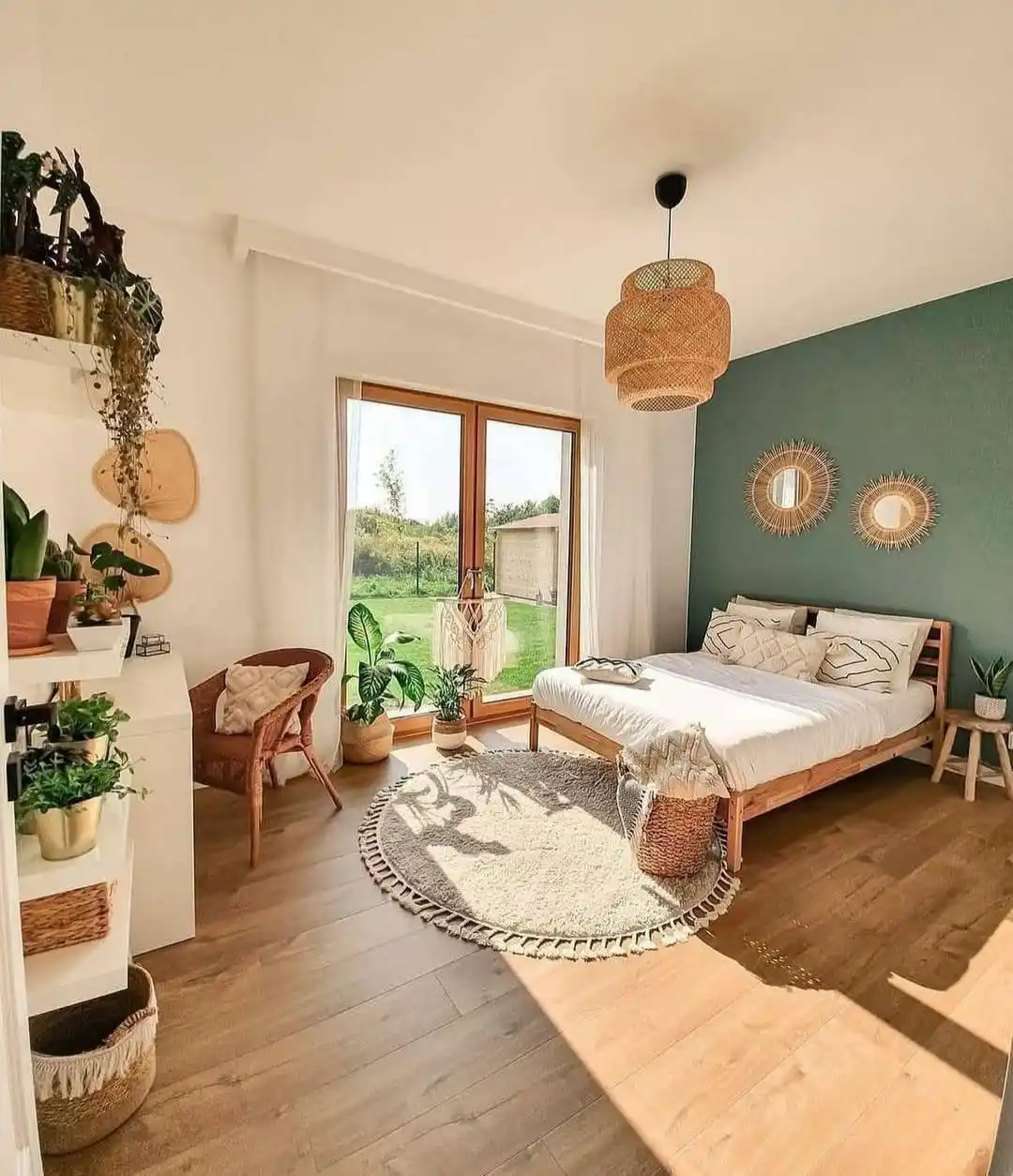
Natural light instantly transforms a minimalist home by making interiors feel warmer, brighter, cleaner, and much more visually spacious throughout the entire day.
Heavy curtains, dark blinds, and overcrowded window areas often block sunlight that could otherwise soften and brighten interior spaces naturally.
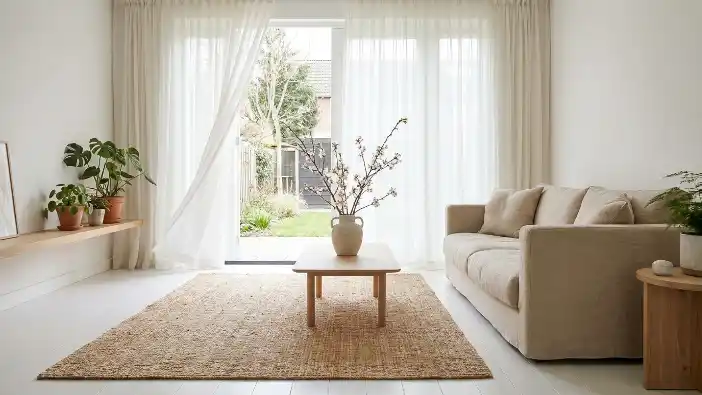
Choose sheer curtains, lightweight linen panels, or simple window treatments allowing sunlight to flow freely throughout the rooms without visual heaviness.
Mirrors also help reflect light effectively, especially inside smaller apartments or narrow spaces needing additional brightness and openness during daytime hours.
Sunlight highlights clean surfaces, neutral palettes, and natural textures beautifully while supporting the peaceful atmosphere associated with minimalist interior design consistently.
Well-lit interiors also improve mood and productivity, making everyday activities feel more comfortable, enjoyable, and mentally refreshing within the home environment naturally.
Instead of relying entirely on artificial lighting, maximize available daylight to strengthen the calm and inviting feeling throughout your minimalist home successfully.
Build Smart Storage Systems That Reduce Visual Clutter
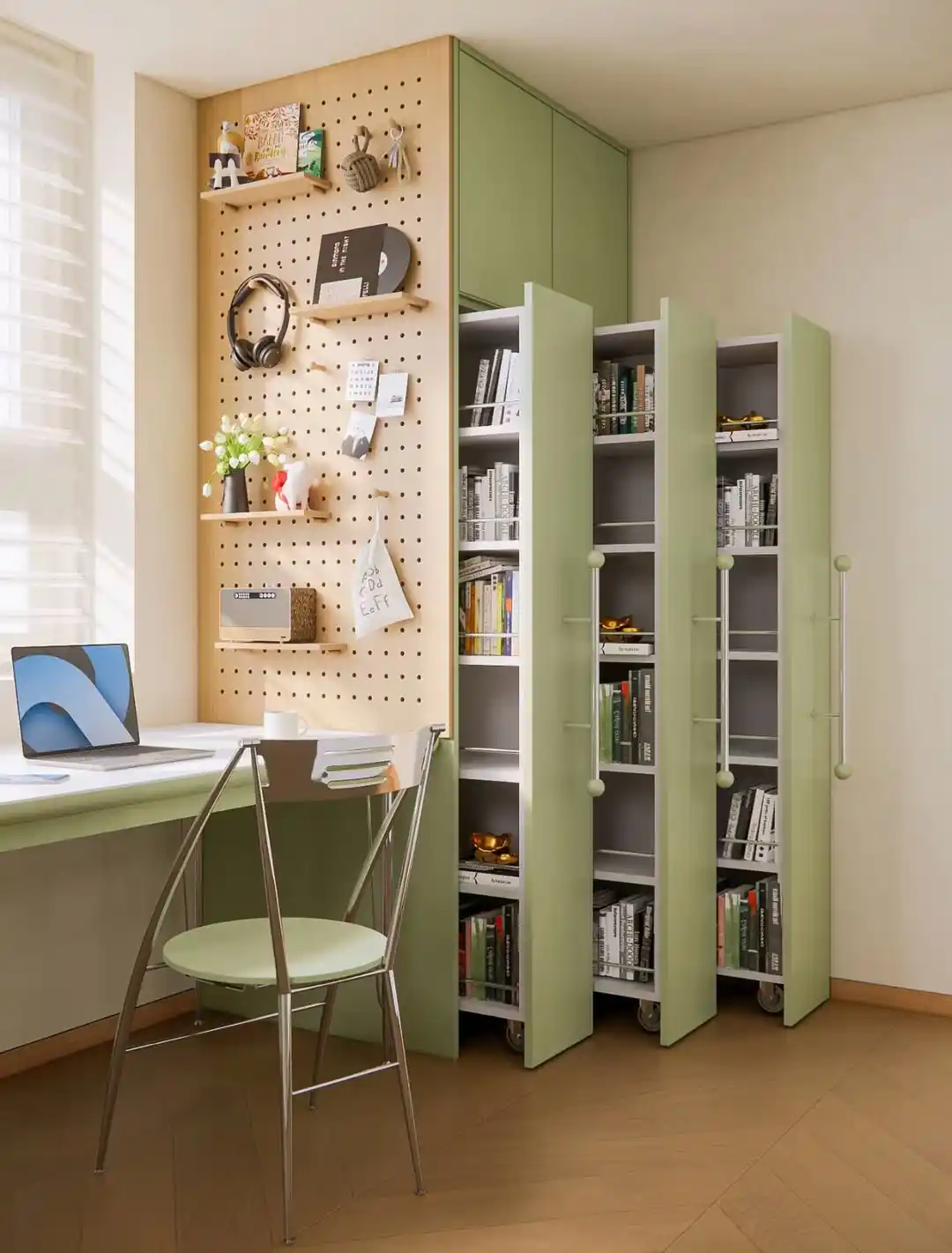
Even the most beautiful minimalist home can quickly feel stressful when everyday essentials lack proper organization and accessible storage systems consistently.
Smart storage solutions help maintain clean surfaces while preventing unnecessary clutter from spreading across tables, counters, shelves, and visible living areas constantly.
Use woven baskets, hidden storage furniture, floating shelves, and organized drawers to create practical systems supporting daily household routines naturally.
Closed cabinets work especially well because they reduce visual distractions while keeping frequently used items accessible without overcrowding the overall design.
Open shelving can still complement minimalist interiors when styled carefully with limited decor pieces and intentionally arranged household essentials consistently.
The goal involves creating simple systems that feel easy to maintain instead of complicated organizational methods becoming difficult to follow regularly over time.
A well-organized minimalist home feels calmer, cleaner, and significantly easier to manage during busy schedules and changing family routines naturally.
Add Texture Instead of Filling Rooms With Extra Decor

Texture helps a minimalist home feel warm, layered, and inviting without relying on excessive decorative accessories or visually overwhelming furniture arrangements unnecessarily.
Soft rugs, knitted blankets, woven baskets, linen curtains, and natural wood finishes create depth while preserving the clean minimalist aesthetic beautifully.
Layering different materials also prevents neutral color palettes from appearing flat, cold, or emotionally disconnected throughout the home environment entirely.
Cotton, stone, ceramic, glass, and wood textures work especially well together because they introduce subtle contrast without creating visual chaos or clutter.
Instead of covering every surface with decorations, focus on meaningful details adding comfort and personality naturally within the overall interior design.
This balanced approach creates a cozy minimalist home atmosphere that feels relaxing, timeless, and deeply connected to comfortable everyday living consistently.
Well-placed textures provide visual interest while allowing minimalist interiors to remain calm, breathable, and beautifully organized throughout every season naturally.
Create Open Layouts That Feel Calm and Breathable
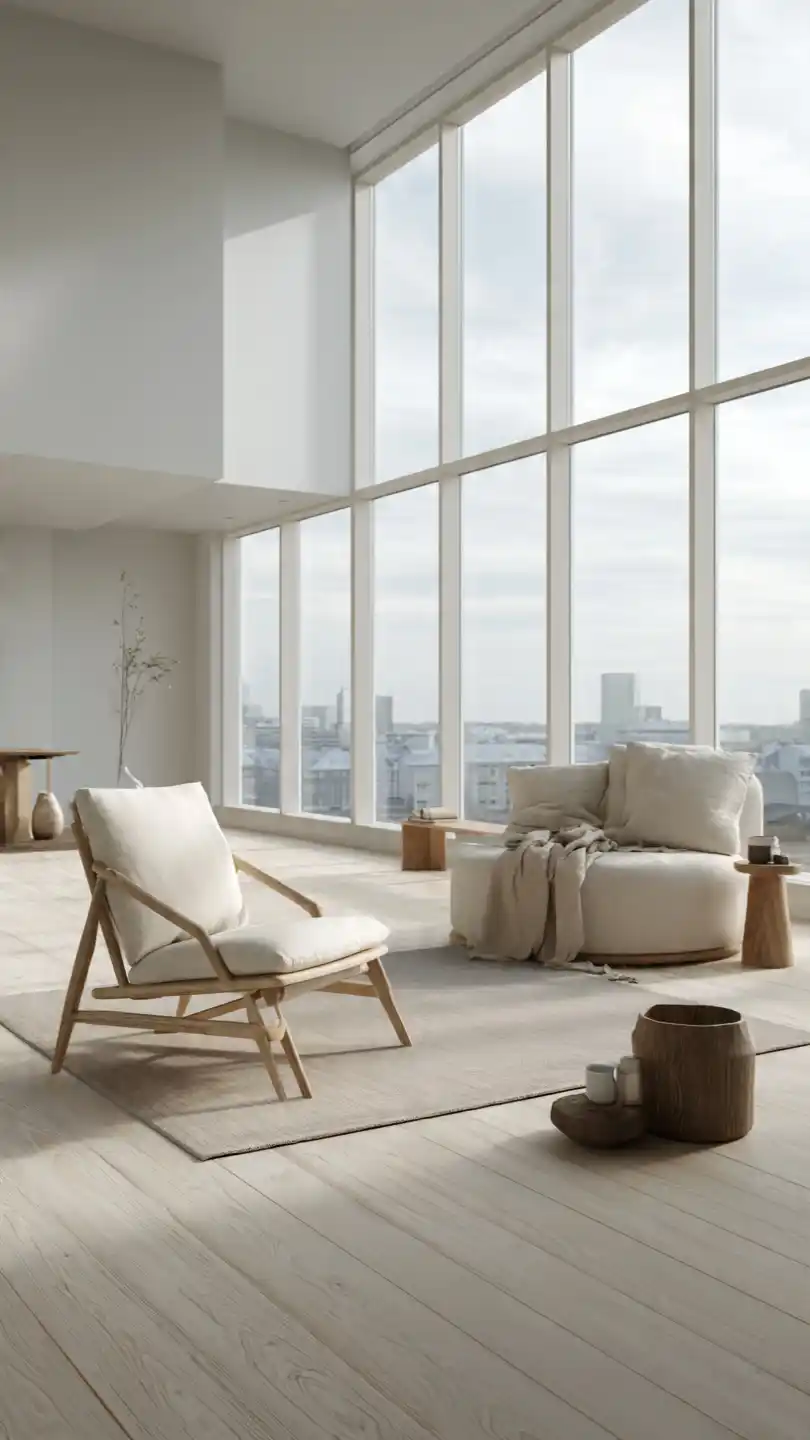
A minimalist home feels significantly more peaceful when furniture placement encourages smooth movement and prevents rooms from feeling crowded or visually overwhelming.
Many homeowners accidentally overfill spaces with unnecessary tables, shelves, and decorative furniture pieces reducing comfort and limiting functional floor space severely.
Instead, arrange furniture intentionally to support conversation, relaxation, daily activities, and comfortable movement throughout the home naturally and efficiently.
Leaving visible open areas around furniture immediately improves balance while making rooms appear larger, brighter, and much easier to navigate comfortably.
Even removing one oversized chair or unnecessary side table can dramatically improve the atmosphere and visual flow within smaller minimalist interiors quickly.
Open layouts also strengthen natural light distribution because fewer obstructions allow sunlight to move more freely throughout connected living spaces consistently.
A breathable layout helps your minimalist home feel calmer, cleaner, and more inviting without requiring expensive renovations or major architectural changes overall.
Decorate With Purposeful and Meaningful Pieces

Decor inside a minimalist home should feel intentional, personal, and emotionally meaningful rather than random, excessive, or heavily influenced by temporary trends constantly.
Choose artwork, framed photographs, handcrafted ceramics, or decorative objects genuinely reflecting your personality, experiences, and preferred lifestyle naturally over time.
A few carefully selected pieces usually create stronger visual impact than crowded shelves filled with unrelated accessories competing constantly for attention unnecessarily.
Purposeful decorating also helps homeowners appreciate their favorite belongings more deeply because every item contributes value to the overall atmosphere meaningfully.
Minimalist interiors become more timeless when decor choices focus on personal connection instead of rapidly changing social media design trends continuously.
This thoughtful decorating approach creates spaces feeling authentic, balanced, and emotionally comforting while preserving the clean simplicity associated with minimalist living beautifully.
Your minimalist home should reflect your lifestyle naturally without feeling staged, overly polished, or disconnected from realistic everyday experiences entirely.
Bring Natural Elements Into Your Minimalist Home
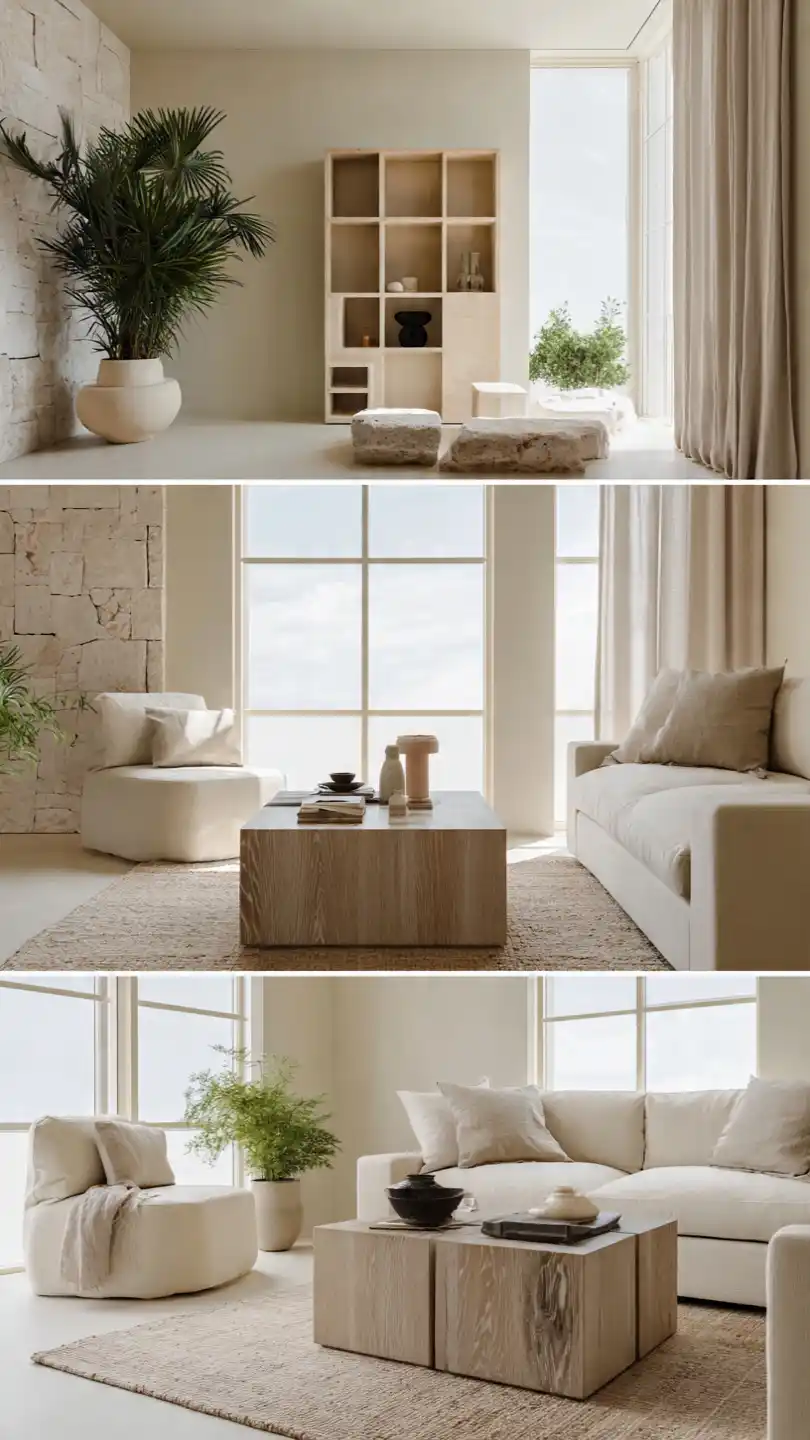
Natural materials help soften minimalist interiors while adding warmth, freshness, and organic beauty throughout different areas of the home naturally and beautifully.
Indoor plants, wooden furniture, woven textures, stone accents, and earthy fabrics complement minimalist design styles exceptionally well across various room layouts consistently.
Greenery introduces subtle color variation without overwhelming neutral palettes, helping minimalist spaces feel more alive and visually refreshing throughout everyday routines naturally.
Low-maintenance plants work especially well for busy homeowners wanting organic beauty without adding complicated care responsibilities or maintenance requirements regularly.
Natural wood furniture also adds warmth while balancing clean lines and modern minimalist design features throughout living rooms, kitchens, and bedrooms successfully.
Even simple additions like dried branches, ceramic planters, or woven baskets can create a stronger connection between indoor and outdoor environments naturally.
A minimalist home inspired by nature feels calming, timeless, and deeply comforting while maintaining the clean and uncluttered atmosphere homeowners appreciate most.
Simplify the Kitchen for Easier Daily Living
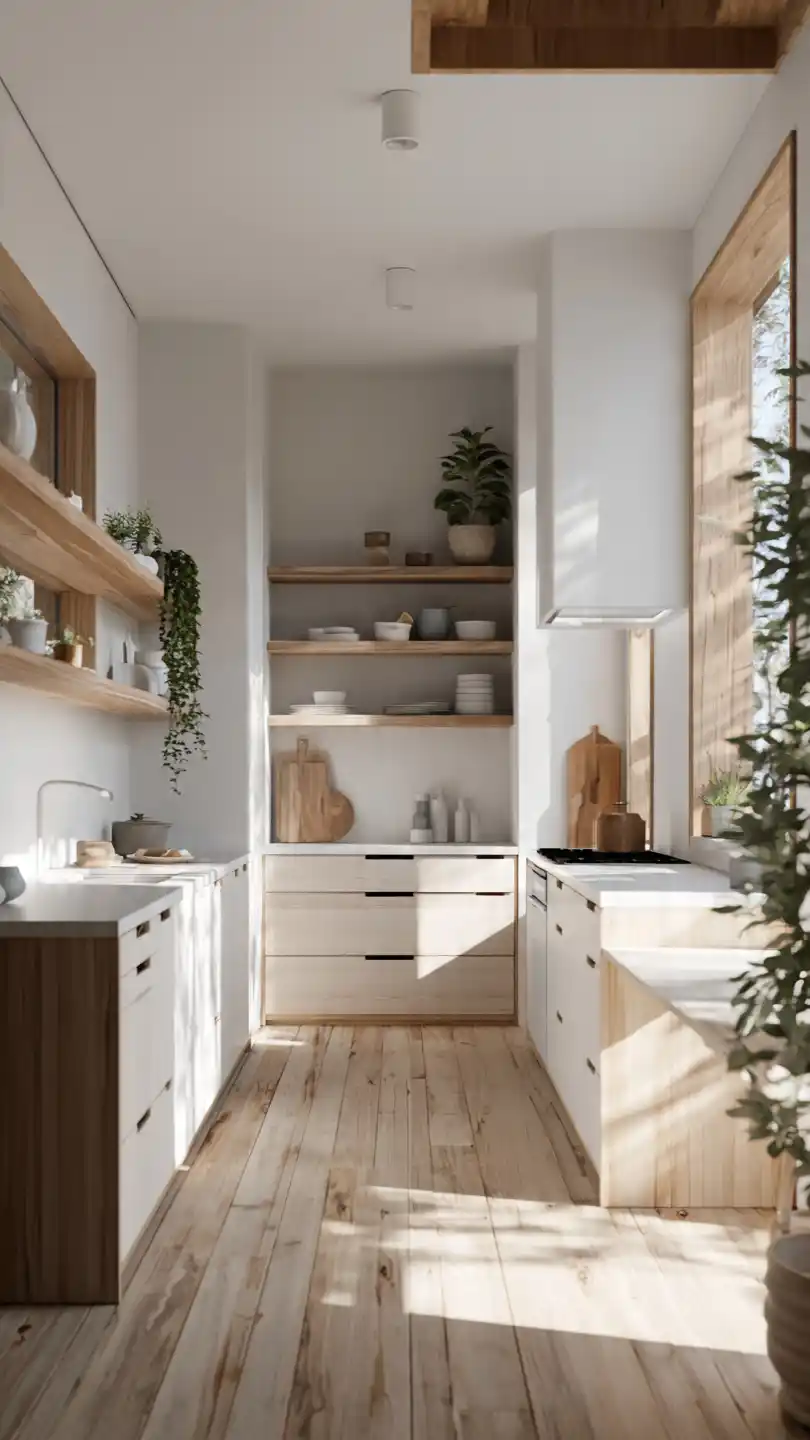
Kitchens often become cluttered quickly because homeowners collect unnecessary gadgets, duplicate tools, and overcrowded countertop decorations throughout everyday cooking routines constantly.
A minimalist home kitchen focuses on functionality, organization, and simplicity while keeping essential items accessible and visually organized throughout daily meal preparation naturally.
Store rarely used appliances inside cabinets instead of leaving every device visible across countertops where clutter builds easily and quickly over time.
Matching containers, organized pantry shelves, and simple dishware also help create a cleaner and more cohesive kitchen appearance overall consistently.
Clear countertops make cooking feel calmer and more efficient while improving the visual openness associated with minimalist interior design beautifully.
Dining areas benefit from the same approach because simpler layouts encourage comfort, conversation, and relaxed family gatherings without unnecessary visual distractions constantly.
A clean and organized kitchen supports healthier daily habits while making the entire minimalist home feel more peaceful and easier to maintain consistently.
Design Bedrooms That Encourage Rest and Relaxation
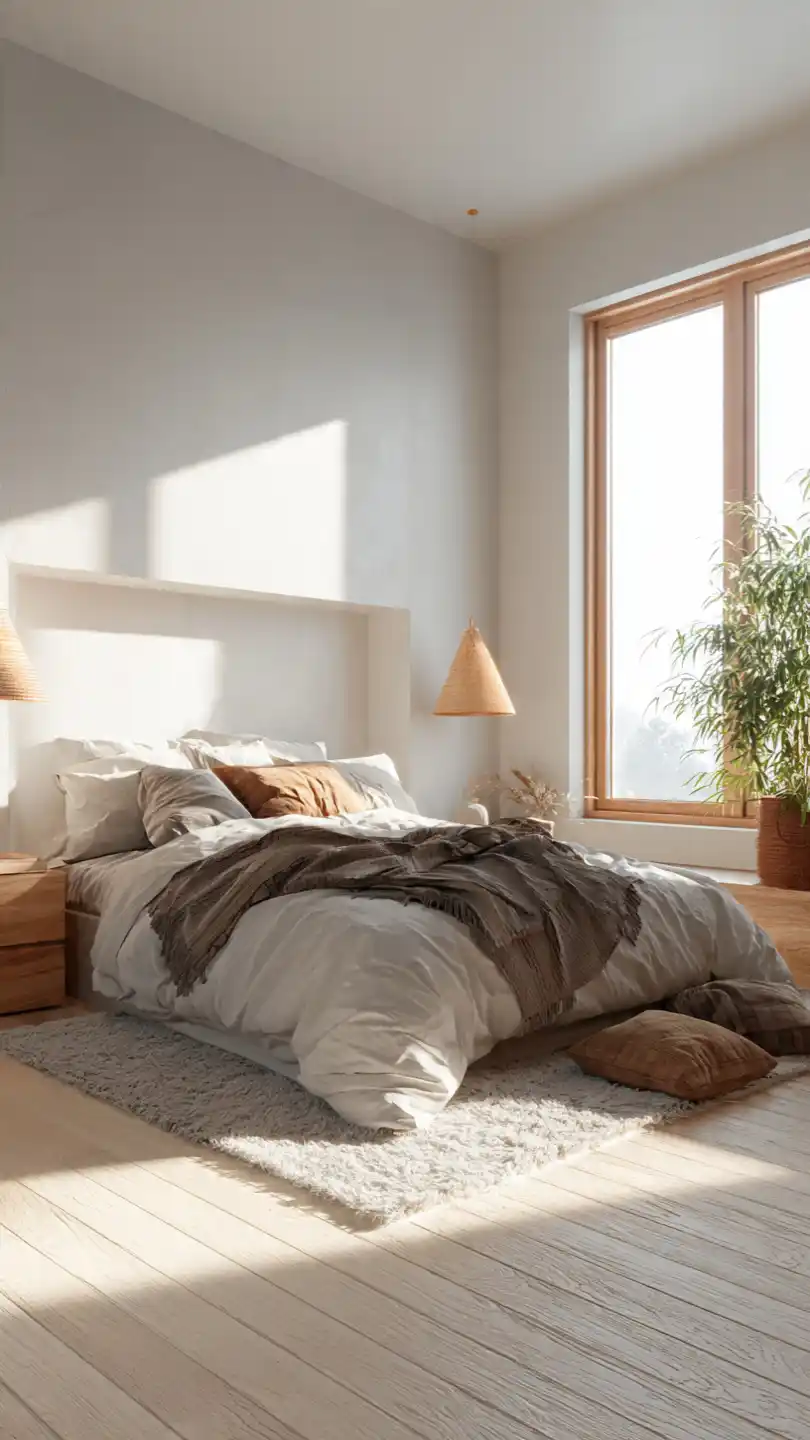
Bedrooms inside a minimalist home should feel peaceful, uncluttered, and deeply relaxing because restful spaces support better sleep and emotional wellbeing naturally every night.
Avoid overcrowding the room with unnecessary furniture, excessive decorations, or complicated storage systems reducing comfort and visual calm significantly over time.
Instead, focus on high-quality bedding, layered textures, soft lighting, and practical storage solutions supporting both comfort and organization consistently.
Neutral bedding colors combined with natural fabrics create a cozy minimalist bedroom atmosphere without making the space feel visually heavy or overly busy.
Nightstands should remain mostly clear except for practical essentials and a few meaningful decorative details contributing warmth and functionality naturally.
Soft lighting also improves the atmosphere by creating a relaxing environment supporting quiet evenings and peaceful nighttime routines comfortably every day.
A thoughtfully designed bedroom transforms your minimalist home into a calming retreat supporting relaxation, comfort, and healthier daily living habits naturally.
Maintain Your Minimalist Home With Simple Daily Habits
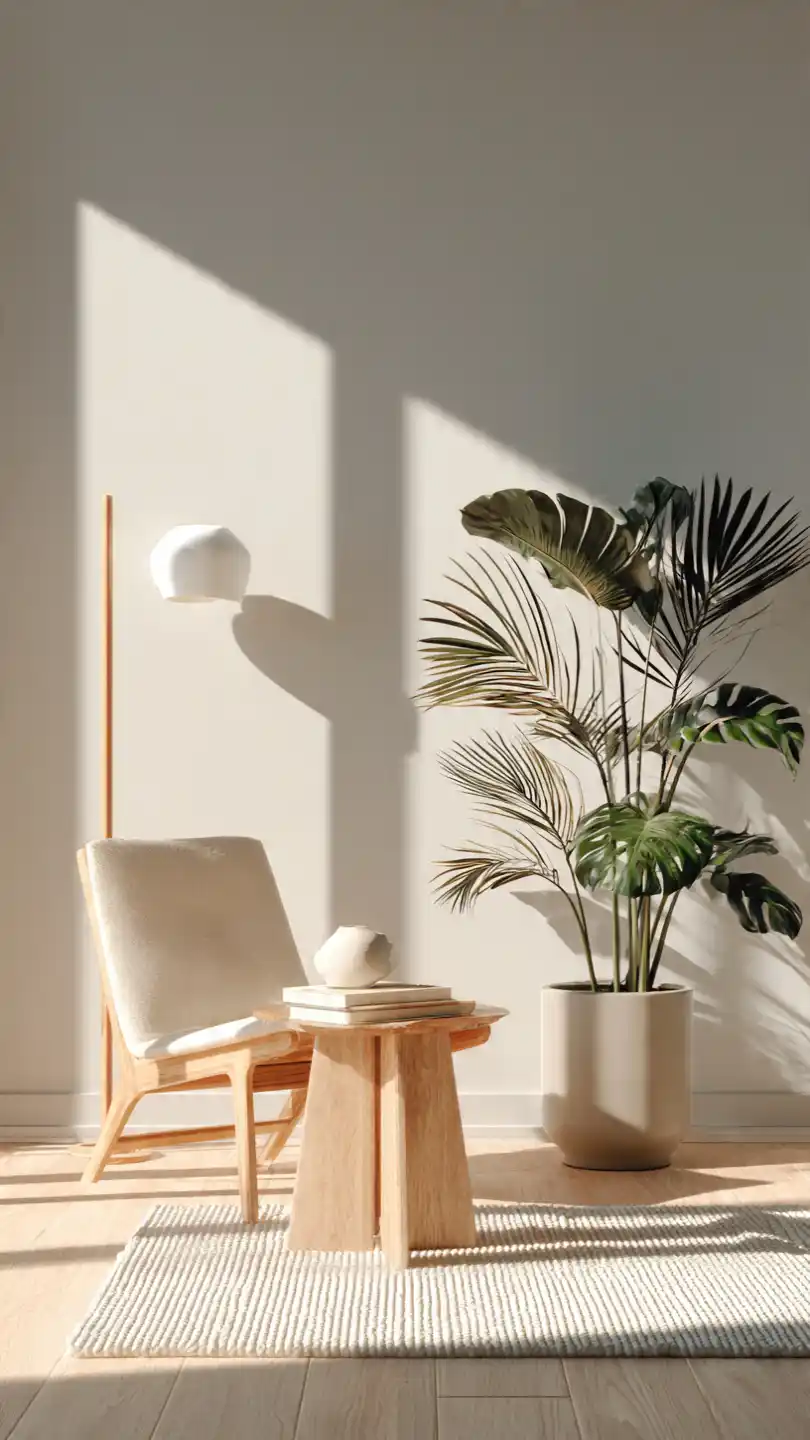
One major advantage of a minimalist home involves easier maintenance routines requiring less time, energy, and constant deep cleaning throughout busy schedules consistently.
However, maintaining minimalist interiors still requires small daily habits preventing clutter from gradually returning and disrupting organized spaces again unnecessarily.
Simple routines like clearing countertops, returning items immediately, and organizing surfaces every evening make noticeable long-term improvements throughout the home naturally.
Avoid unnecessary shopping habits because impulse purchases often create future clutter and make minimalist organization significantly harder to maintain consistently over time.
Seasonal decluttering sessions also help identify unused belongings no longer supporting your lifestyle, comfort, or practical household routines meaningfully anymore.
The goal involves maintaining realistic systems fitting naturally into everyday life instead of creating complicated routines becoming stressful or difficult to follow regularly.
Consistent habits protect the calm atmosphere and balanced appearance making your minimalist home feel peaceful, functional, and beautifully organized every single day.
Focus on Lifestyle Instead of Chasing Perfection

The best minimalist home reflects your personal lifestyle, comfort needs, and daily routines instead of unrealistic interior design standards shown constantly online.
Perfection should never become the goal because real homes naturally evolve alongside changing schedules, growing families, work responsibilities, and personal preferences over time.
Comparing your home to professionally staged interiors often creates unnecessary pressure preventing you from appreciating your own progress and achievements fully.
Instead, focus on creating spaces supporting relaxation, functionality, emotional comfort, and practical daily living within your realistic lifestyle naturally and consistently.
Minimalist living should feel freeing, supportive, and calming rather than restrictive, stressful, or impossible to maintain under normal household circumstances regularly.
Even small improvements can completely change how your home feels when intentional choices gradually replace clutter and unnecessary distractions throughout different rooms naturally.
When your minimalist home supports peace, comfort, and balance successfully, you have already achieved the true purpose behind minimalist interior design beautifully.
Small Daily Habits That Keep Minimalist Homes Organized
Many homeowners maintain beautiful minimalist interiors successfully because they follow simple daily habits preventing clutter from accumulating slowly over time unnecessarily.
Making the bed every morning instantly improves bedroom appearance while creating a cleaner and more organized atmosphere throughout the entire space naturally.
Clearing kitchen counters every evening also prevents visual clutter from building overnight and makes mornings feel calmer and significantly less stressful overall.
Another helpful habit involves returning items immediately after use instead of leaving belongings scattered across tables, chairs, and visible household surfaces constantly.
The popular one-in, one-out method also supports minimalist living because it limits unnecessary accumulation when purchasing clothing, decor, or household essentials regularly.
These small routines eventually become automatic, helping your minimalist home remain peaceful, functional, and beautifully organized without requiring constant major cleaning sessions consistently.
Wrap-Up
Creating a minimalist home involves much more than removing clutter or following temporary interior design trends that quickly lose relevance over time naturally.
The true goal centers around building spaces feeling peaceful, functional, welcoming, and supportive of your everyday routines and long-term comfort consistently.
By focusing on intentional furniture choices, organized storage, natural textures, balanced layouts, and calming colors, your home becomes easier to enjoy daily.
These thirteen practical steps provide realistic guidance helping homeowners create minimalist interiors that still feel warm, cozy, and deeply connected to personal lifestyles naturally.
Remember that minimalist living does not require perfection because small improvements gradually create meaningful transformation throughout your home environment successfully over time.
With patience, thoughtful decisions, and consistent habits, you can create a minimalist home that feels timeless, calming, and genuinely enjoyable every single day.