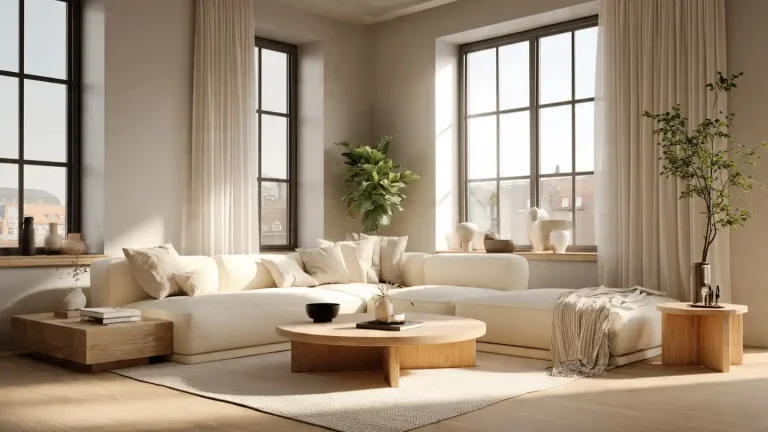
15 Minimalist Decor Mistakes to Avoid for a Calm and Stylish Home

Decorating a minimalist home sounds simple in theory, but creating a space that feels both stylish and comfortable takes thoughtful planning.
Many people assume minimalist decor means using less furniture, fewer colors, and almost no decorative accessories throughout the home completely.
While simplicity is important, truly successful decor minimalist interiors focus more on balance, comfort, and intentional design choices than strict rules.
I have noticed that many minimalist homes look beautiful in photos but feel cold and impractical once real daily life begins inside them.
That usually happens because homeowners focus too heavily on appearance while ignoring warmth, functionality, and personal comfort completely.
Minimalism should make life easier, not create spaces that feel emotionally empty or difficult to enjoy with family and friends naturally.
The good news is that avoiding a few common decorating mistakes can completely transform how your minimalist home feels every single day.
Simple changes like adding texture, improving lighting, or choosing better furniture proportions often make a huge difference surprisingly quickly.
In this article, we will explore 15 decor minimalist mistakes to avoid so your home feels calm, timeless, and genuinely welcoming.
15 Decor Minimalist Mistakes to Avoid
Choosing Furniture That Is Too Small for the Room
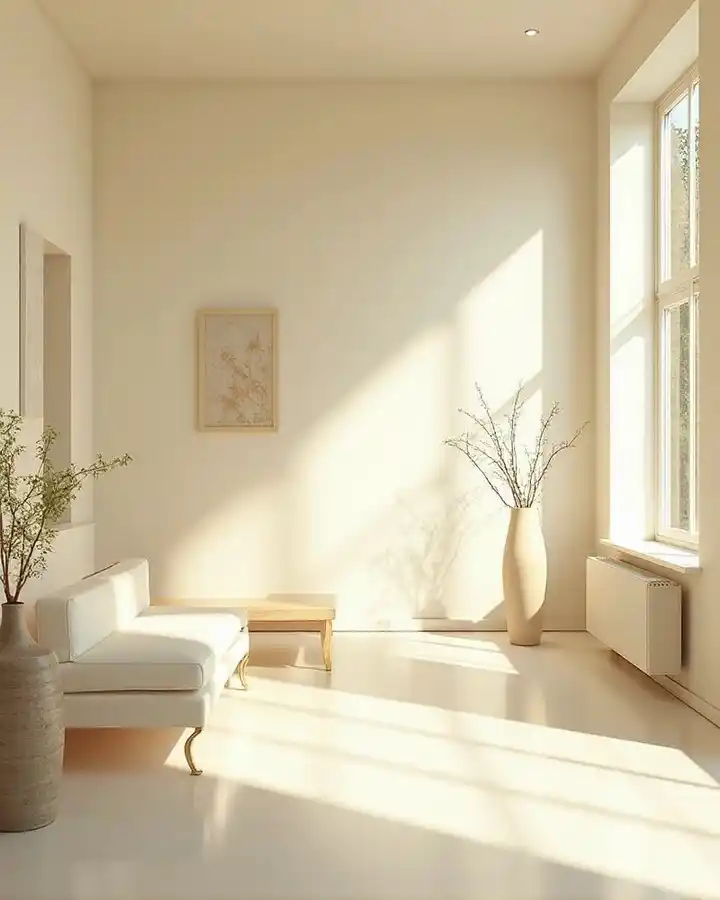
Many homeowners believe smaller furniture automatically creates a cleaner minimalist appearance, but undersized pieces often create awkward room proportions instead.
A tiny sofa inside a large living room can make the entire space feel disconnected and visually unfinished despite having less clutter.
Proper furniture scale helps minimalist interiors feel intentional, comfortable, and balanced without overcrowding the available floor space unnecessarily.
Before buying furniture, measure your room carefully and consider how each piece interacts with surrounding walls, lighting, and pathways naturally.
Large rugs, properly sized coffee tables, and well-proportioned seating create harmony inside decor minimalist interiors without adding visual heaviness.
Instead of filling rooms with multiple small items, choose fewer high-quality pieces that fit the room dimensions comfortably and practically.
Balanced furniture placement instantly makes minimalist spaces feel calmer, more polished, and significantly easier to enjoy every single day.
Ignoring Warm Textures in Decor Minimalist Interiors
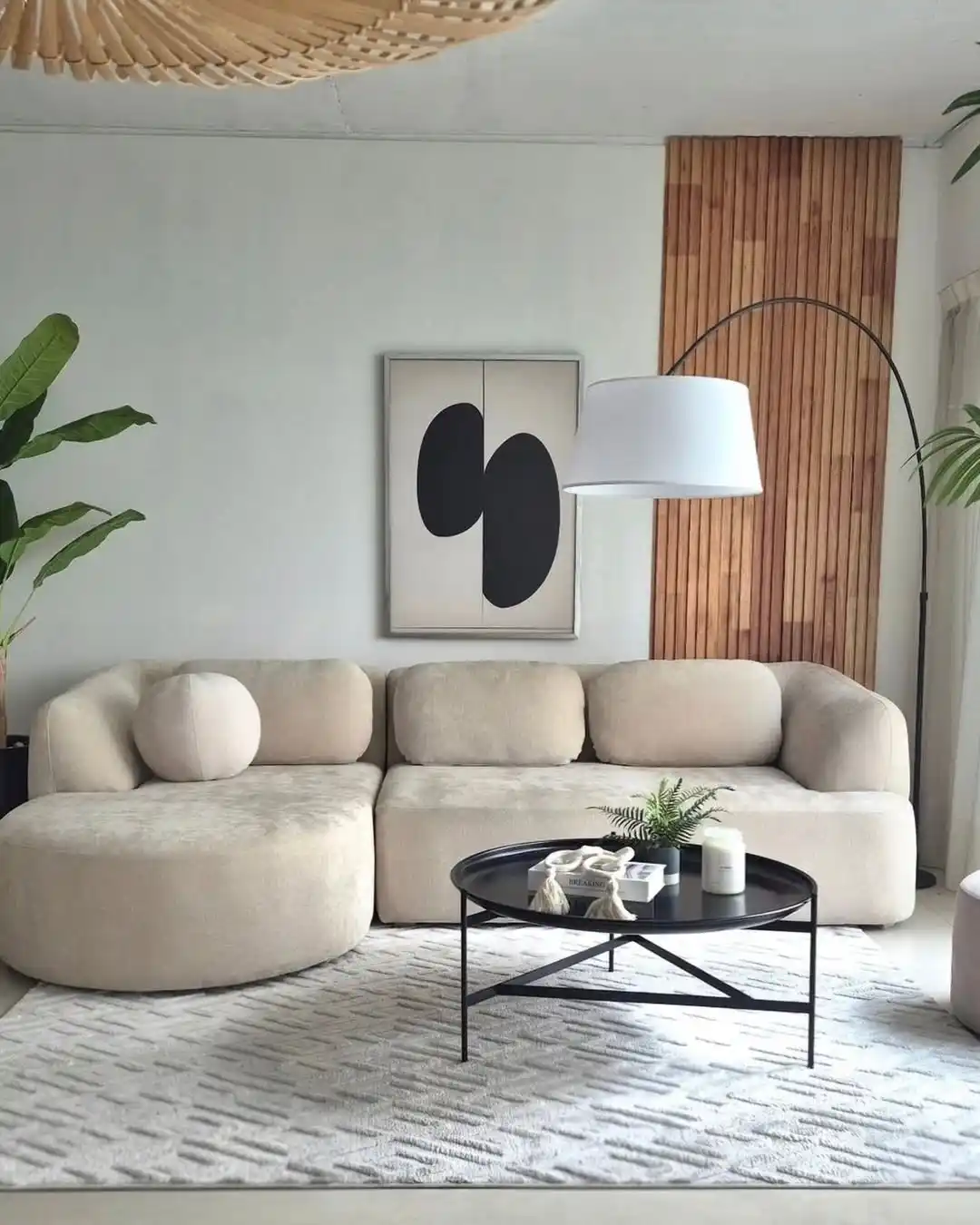
A minimalist room filled only with smooth surfaces often feels cold, sterile, and emotionally uninviting after spending time inside the space.
Many homeowners focus heavily on clean lines while forgetting the importance of texture within comfortable minimalist decorating styles.
Soft linen curtains, woven baskets, wooden furniture, cotton cushions, and textured rugs help minimalist interiors feel warmer and more welcoming naturally.
Textures add visual depth without increasing clutter, making them essential for creating cozy and balanced modern minimalist living spaces.
Natural materials also soften sharp furniture lines and prevent rooms from looking overly artificial or excessively polished throughout the home.
Decor minimalist interiors should feel peaceful and comfortable instead of resembling empty furniture showrooms with no personality or warmth.
Layering textures carefully allows homeowners to maintain simplicity while creating inviting spaces that still feel practical and visually interesting.
Using Only White Throughout the Entire Home
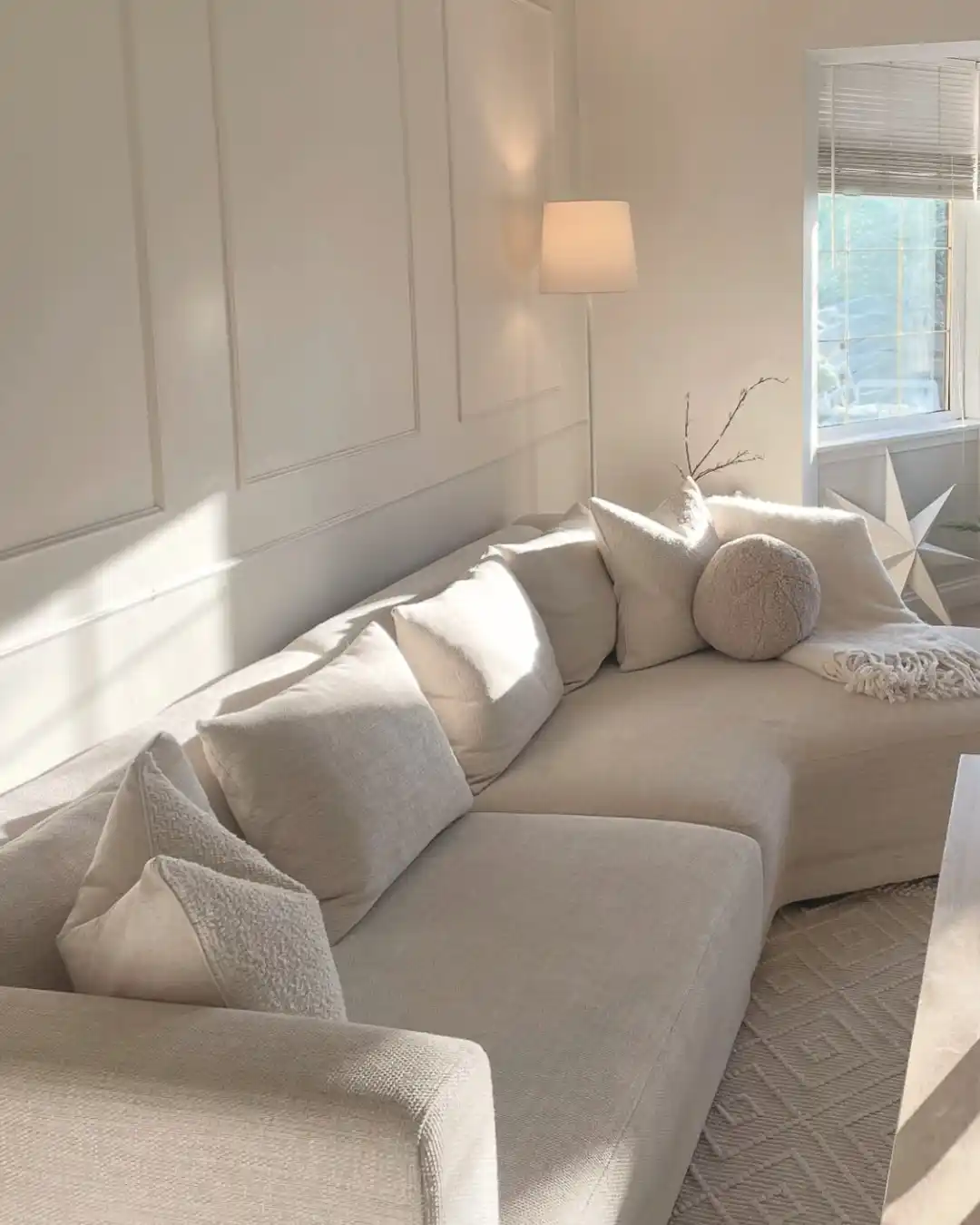
White walls can brighten minimalist interiors beautifully, but excessive white often creates flat and emotionally cold environments surprisingly quickly.
Many homeowners avoid all other colors because they fear disrupting the clean and simple appearance associated with minimalist decorating styles.
However, subtle earthy tones, warm beige shades, muted greens, and soft gray accents create more balanced and visually comfortable interiors naturally.
Color variation helps define spaces gently while preserving the peaceful atmosphere that decor minimalist homes are known for creating.
Natural wood finishes also introduce warmth and contrast without overwhelming the calm aesthetic of minimalist living spaces unnecessarily.
You do not need dramatic colors to make minimalist interiors feel inviting, layered, and emotionally connected to everyday living.
Even small decorative accents can add enough visual depth to prevent minimalist rooms from feeling dull or emotionally distant over time.
Following Trends Instead of Personal Lifestyle Needs
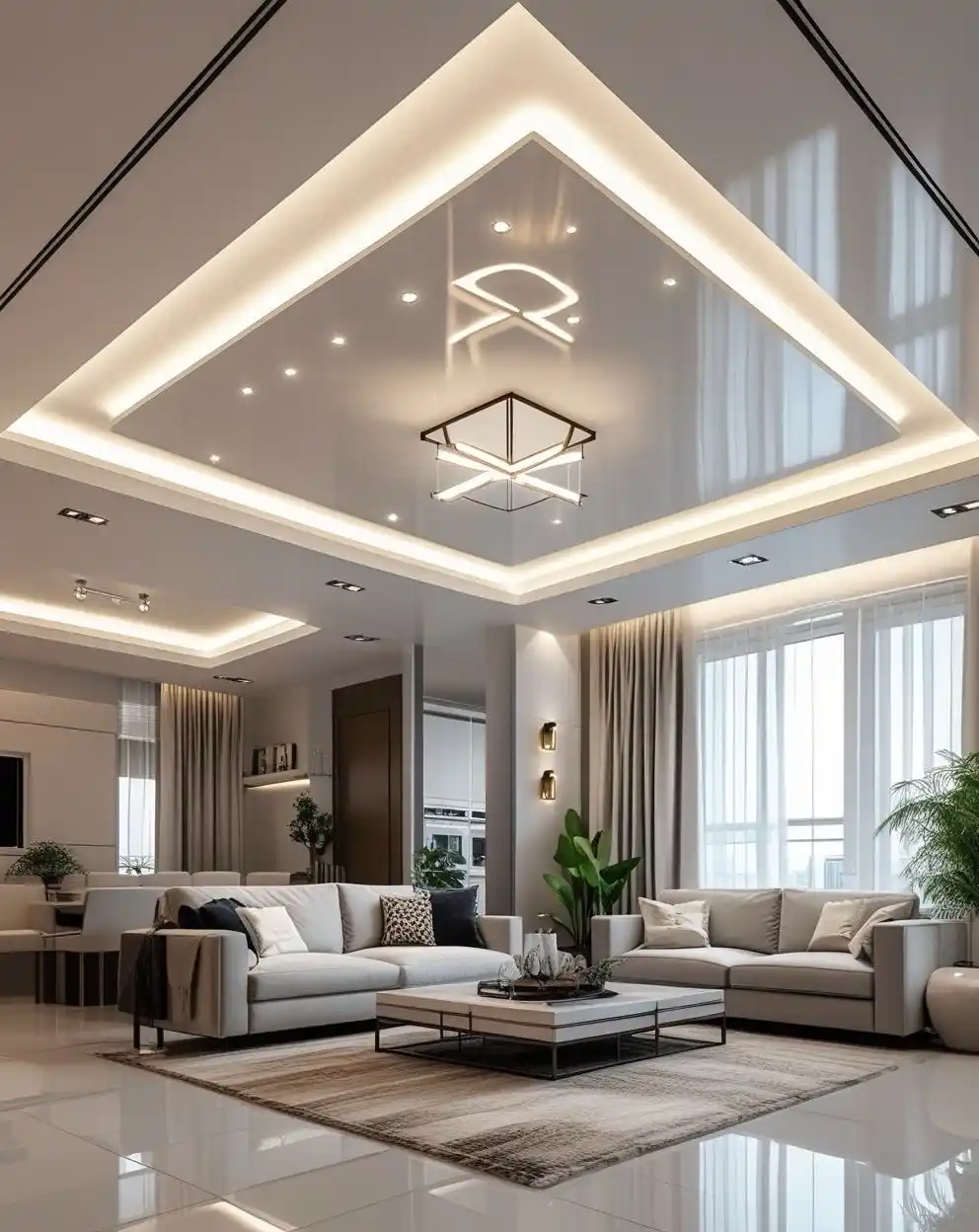
Social media trends often inspire beautiful minimalist interiors, but trendy spaces do not always support practical everyday living comfortably.
Many homeowners purchase furniture and decorative items because they look attractive online instead of considering personal lifestyle requirements carefully.
A minimalist home should support daily routines, storage needs, family activities, and comfort preferences before focusing purely on visual appearance.
Decor minimalist interiors become frustrating quickly when homeowners ignore functionality while chasing unrealistic design trends and temporary aesthetics constantly.
For example, open shelving may look stylish online but create stress for people who prefer hidden and organized storage solutions instead.
Before buying anything, think about how each piece improves comfort, convenience, and long-term practicality inside your living environment naturally.
Personalized minimalist interiors always feel more timeless and enjoyable than spaces designed only to impress visitors or online audiences temporarily.
Removing Too Much Personality from the Space
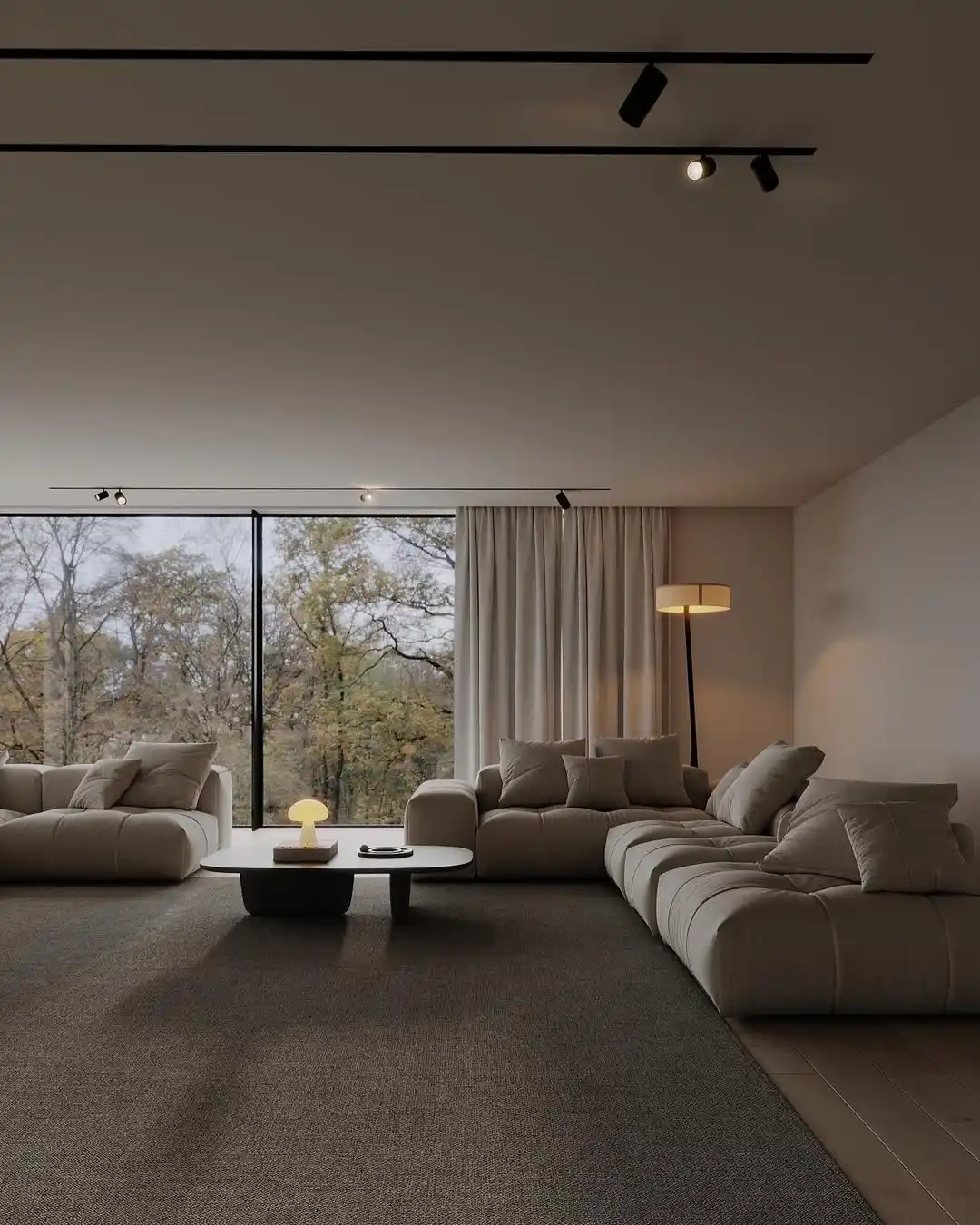
Some homeowners remove every personal item while decorating because they believe minimalism requires completely emotionless and neutral interiors everywhere.
Unfortunately, overly empty rooms often feel uncomfortable and disconnected because they lack meaningful details that reflect real personalities naturally.
Decor minimalist homes should still include carefully selected artwork, family photographs, books, or handcrafted pieces that create emotional warmth beautifully.
Personal items help minimalist interiors feel authentic instead of looking like temporary furniture displays without character or meaningful visual connection.
The goal is not hiding every sentimental object but displaying fewer meaningful pieces thoughtfully and intentionally throughout the home.
A favorite ceramic vase, framed photograph, or handmade blanket can instantly make minimalist spaces feel more welcoming and personal naturally.
Balanced minimalist decorating allows homeowners to express personality while still maintaining simplicity, organization, and peaceful visual harmony throughout the space.
Forgetting About Proper Lighting Layers
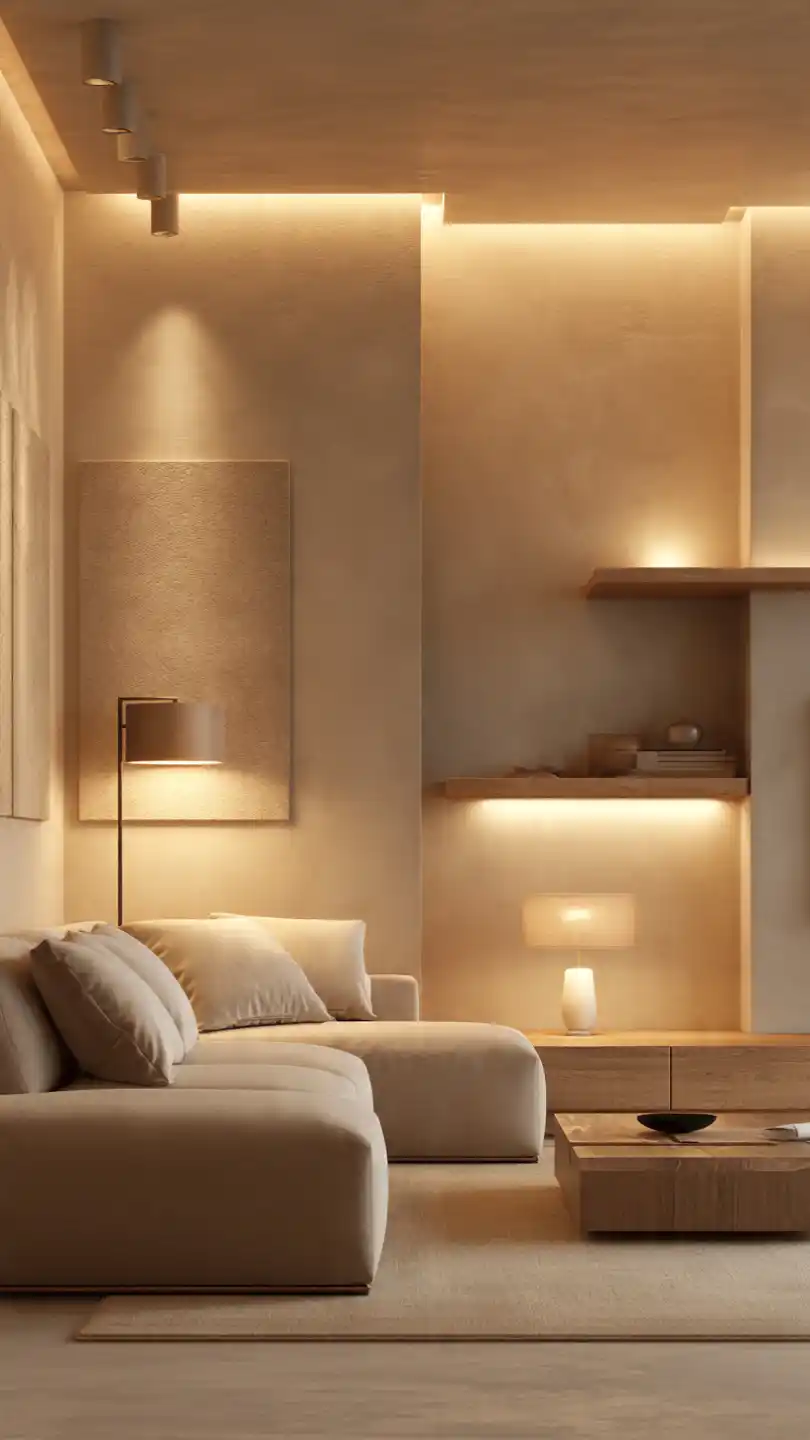
Many minimalist homes rely only on ceiling lights, which creates harsh shadows and uncomfortable lighting during evenings surprisingly often.
Proper lighting layers make minimalist spaces feel warmer, softer, and significantly more inviting without increasing decorative clutter unnecessarily.
Ambient lighting provides overall brightness while task lighting supports practical activities like reading, cooking, or working comfortably every day.
Accent lighting highlights artwork, shelves, textures, and architectural details that deserve gentle visual attention within minimalist interiors naturally.
Table lamps, floor lamps, and wall sconces help soften sharp room corners while creating a calmer and more relaxing atmosphere beautifully.
Warm lighting tones usually work better than cool white bulbs because they create comfortable and welcoming minimalist living environments naturally.
Thoughtful lighting instantly transforms decor minimalist interiors from cold and empty spaces into cozy and visually balanced homes successfully.
Hiding Everything Inside Closed Storage
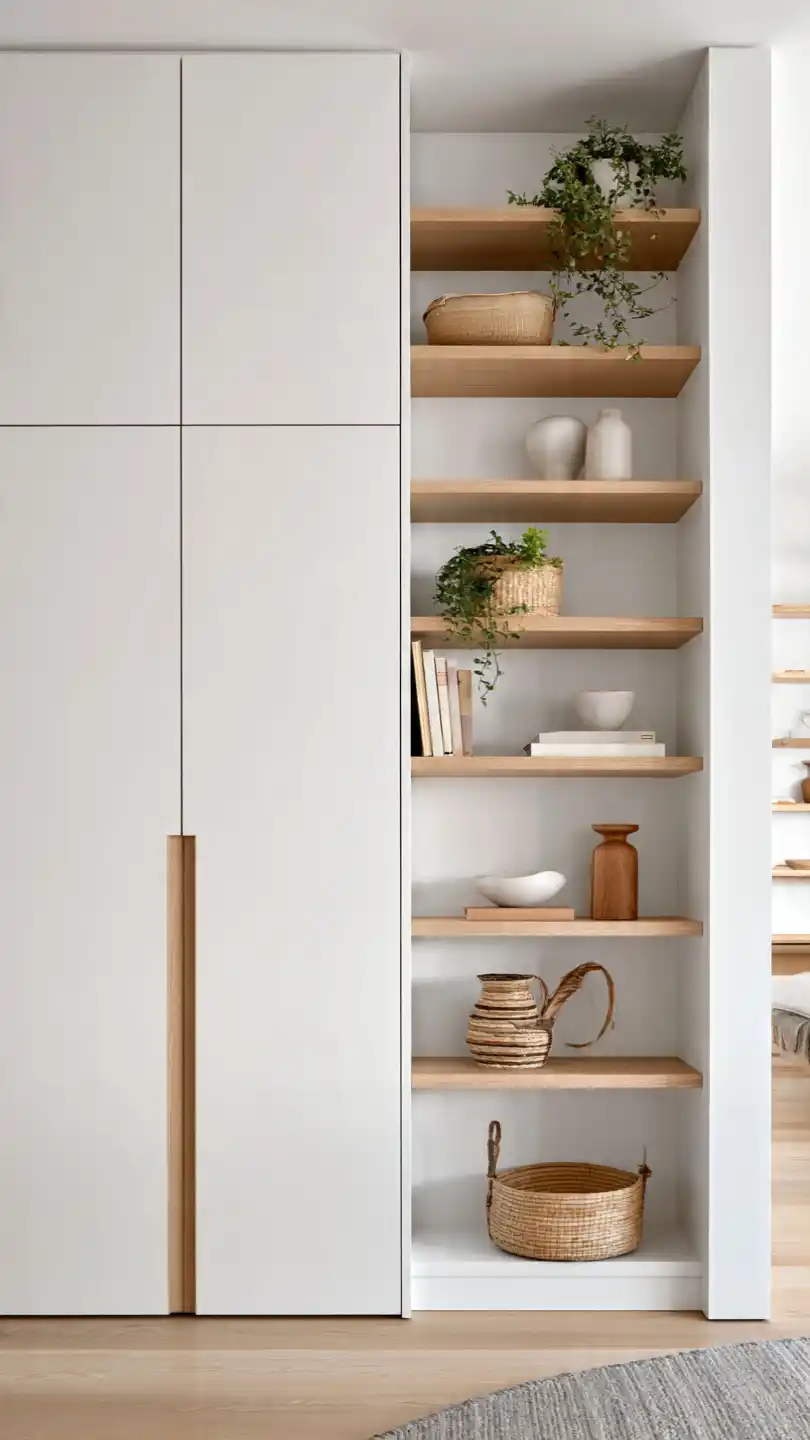
Hidden storage helps minimalist homes stay organized, but completely concealing every object often creates lifeless and overly controlled environments visually.
Some homeowners believe perfectly empty shelves represent successful minimalism, although balanced spaces usually include thoughtfully displayed decorative elements naturally.
Open shelving can showcase books, ceramic pieces, woven baskets, or small plants without making rooms feel cluttered or visually overwhelming.
Visible decorative details create warmth and personality while helping minimalist interiors feel more connected to everyday living experiences comfortably.
The key is careful organization rather than excessive hiding or random decoration throughout the home unnecessarily.
Decor minimalist interiors feel more welcoming when homeowners balance concealed storage with a few intentional and meaningful decorative displays naturally.
Instead of hiding everything, focus on displaying fewer beautiful and functional items that support your minimalist aesthetic thoughtfully.
Buying Cheap Decor That Looks Temporary
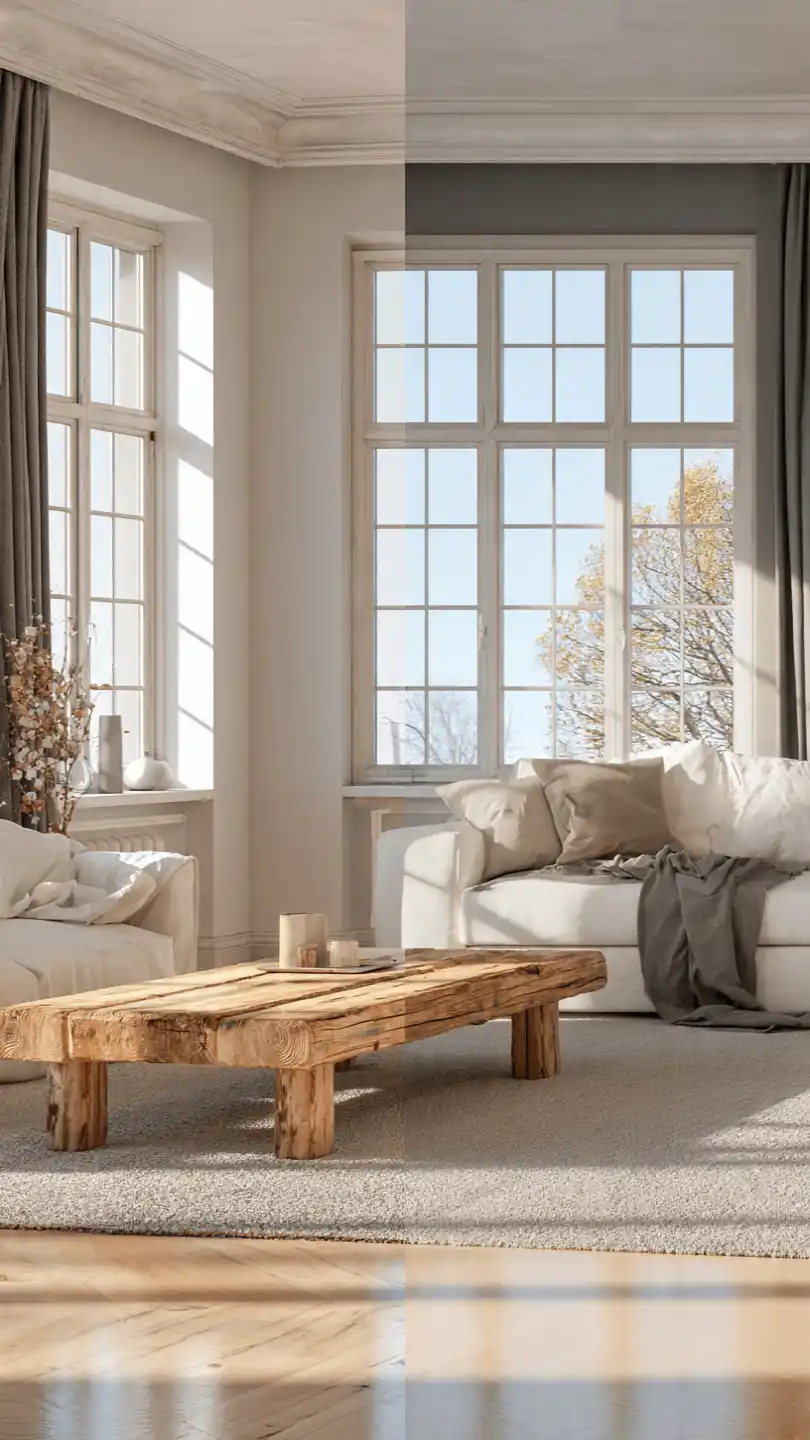
Many homeowners purchase inexpensive trendy decor because minimalist spaces appear simple and easy to decorate quickly within smaller budgets.
Unfortunately, low-quality furniture and accessories often wear out faster while making minimalist interiors look unfinished and visually inconsistent over time.
Minimalism focuses on intentional purchases, meaning quality matters much more than owning large quantities of decorative items unnecessarily.
A durable wooden table or comfortable sofa usually creates more lasting value than multiple cheap accessories that lose appeal quickly afterward.
Decor minimalist interiors benefit from timeless furniture pieces that remain functional, attractive, and comfortable for many years naturally.
Instead of decorating everything immediately, build your space gradually with carefully selected items that support long-term living comfortably.
Thoughtful purchasing decisions help minimalist homes feel polished, sustainable, and visually balanced without creating unnecessary waste or decorating regret later.
Neglecting Comfort While Decorating
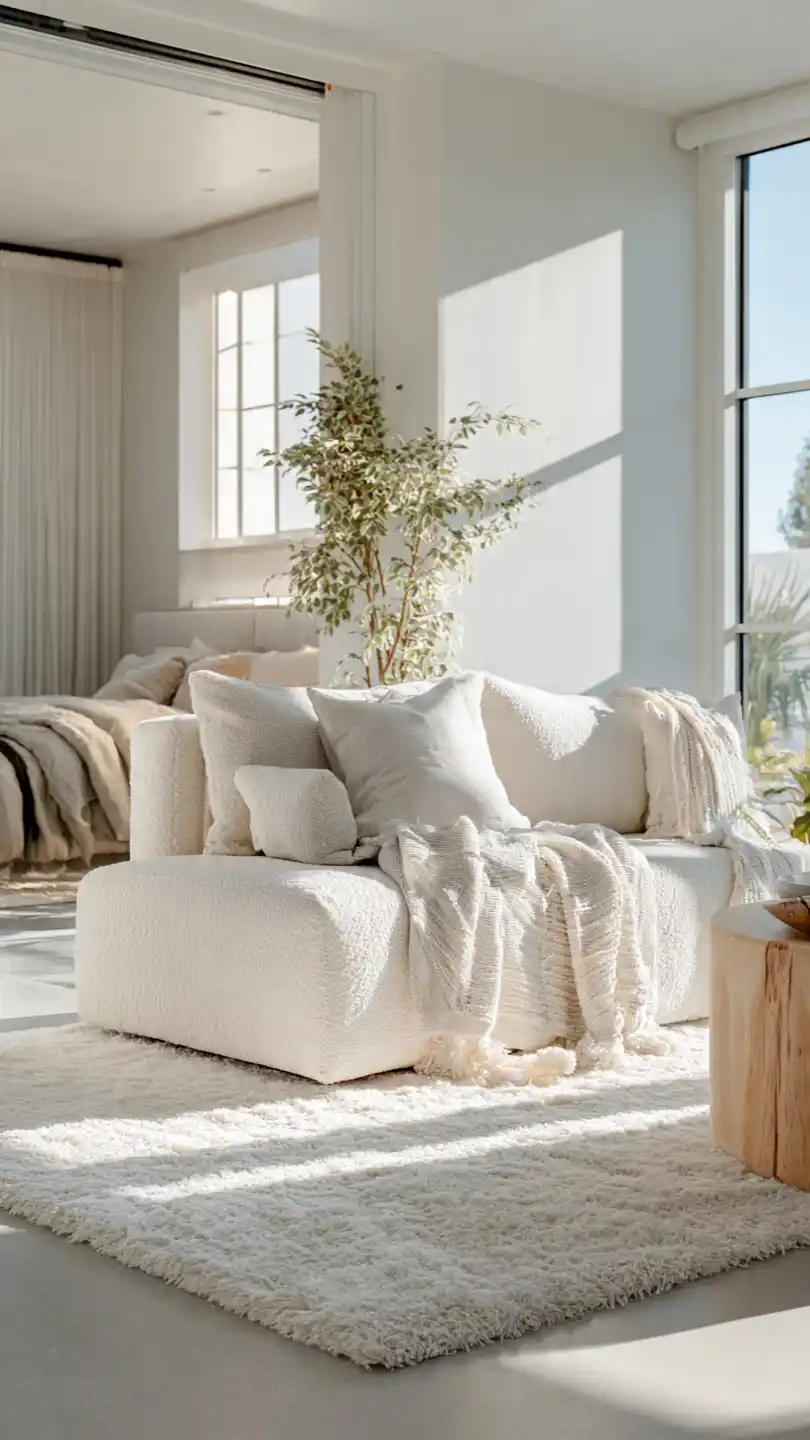
Some minimalist interiors look beautiful online but feel uncomfortable because homeowners prioritize appearance over practical daily comfort completely.
Hard seating, thin bedding, and overly empty rooms often make homes feel emotionally distant despite maintaining clean and organized visual aesthetics.
Minimalism should simplify life while creating relaxing environments that encourage rest, connection, and comfortable everyday experiences naturally.
Soft rugs, supportive furniture, layered bedding, and cozy textiles improve comfort without disrupting minimalist design principles unnecessarily.
Decor minimalist interiors work best when homeowners balance clean lines with warmth, softness, and functional living arrangements thoughtfully.
A beautiful room loses value quickly if family members avoid spending time there because the environment feels uncomfortable or emotionally cold.
Comfort should always remain part of minimalist decorating because homes exist for living, relaxing, and enjoying meaningful daily experiences fully.
Keeping Every Surface Completely Empty
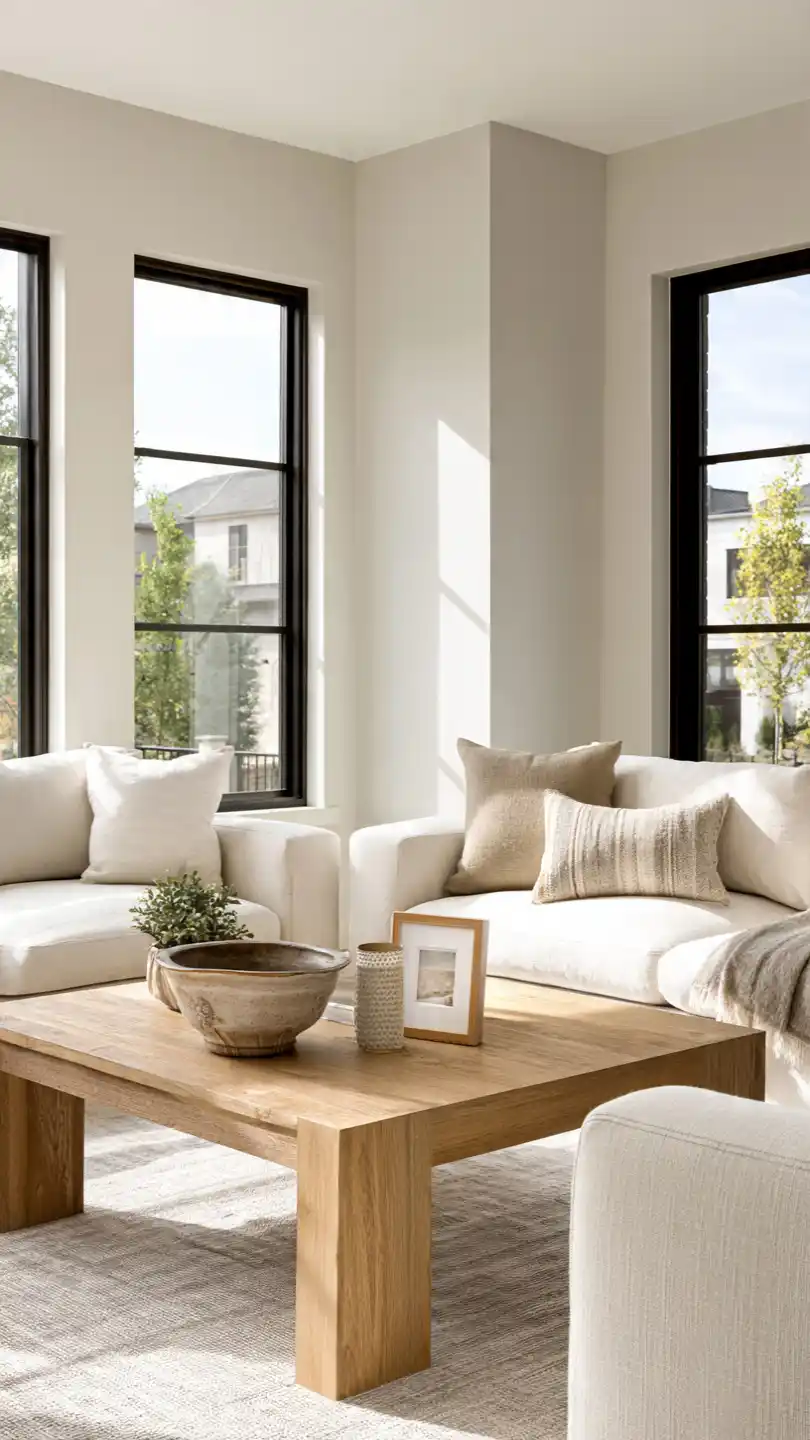
Completely empty surfaces may look clean initially, but they often make minimalist rooms feel unfinished and emotionally disconnected afterward.
Thoughtfully styled surfaces create focal points while maintaining the calm and uncluttered atmosphere associated with minimalist home decor naturally.
A ceramic bowl, framed artwork, small plant, or textured candle holder can add personality without overwhelming the room visually.
Decor minimalist interiors benefit from intentional styling that creates warmth while still preserving simplicity and organized visual balance throughout the home.
The goal is controlled decoration rather than completely eliminating every visible decorative detail unnecessarily from living spaces.
Carefully chosen accents help connect furniture pieces together while preventing minimalist rooms from appearing flat or overly sterile visually.
Simple decorative arrangements usually feel more elegant and welcoming than perfectly empty tables, counters, or shelves throughout the home consistently.
Ignoring Natural Elements in the Room
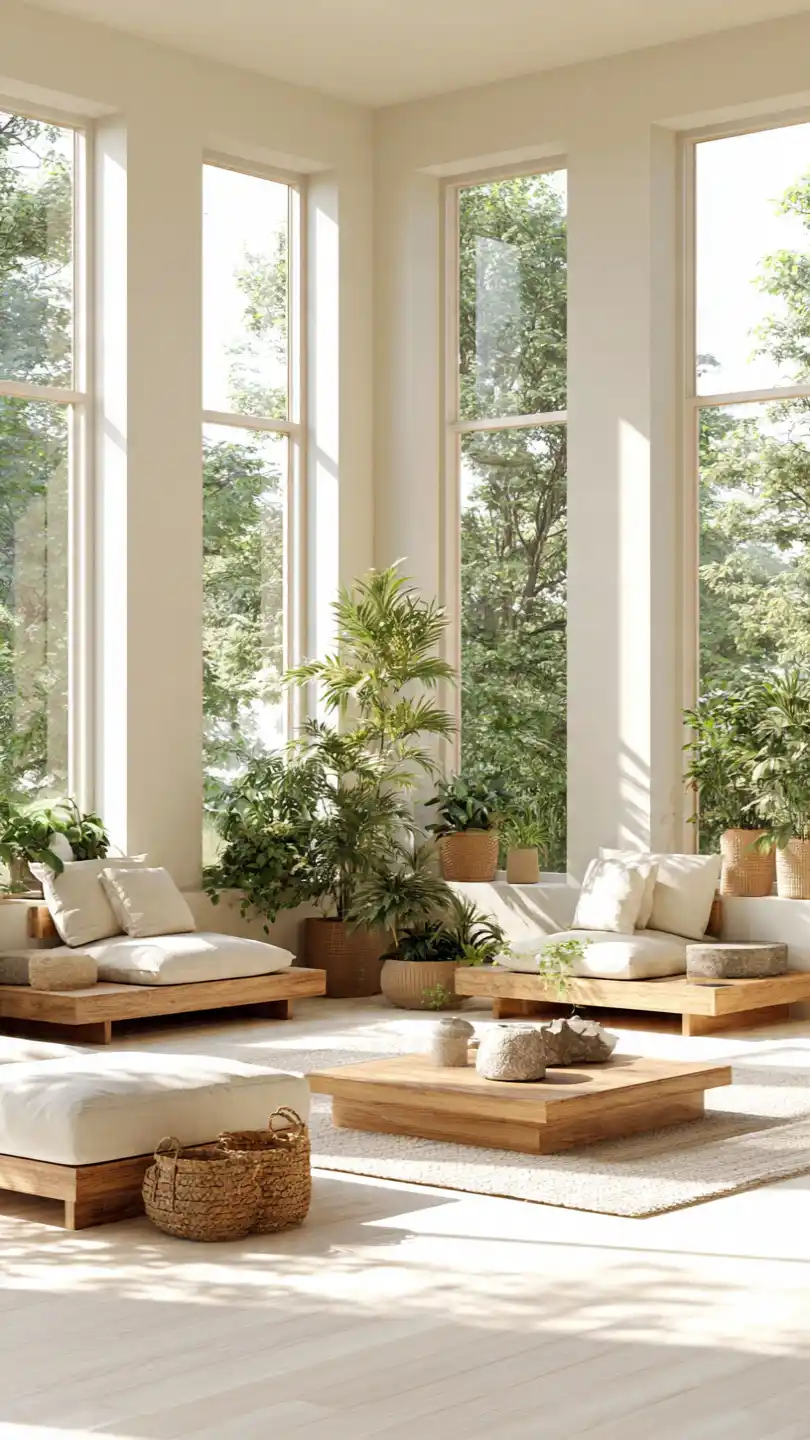
Minimalist interiors sometimes feel overly artificial because they lack greenery, natural materials, and organic textures throughout the decorating style.
Plants instantly soften modern interiors while adding life, freshness, and visual movement without creating unnecessary clutter inside the home naturally.
Wood finishes, woven baskets, linen fabrics, and stone accessories also introduce warmth and balance into minimalist spaces beautifully.
Decor minimalist homes feel calmer and more welcoming when natural elements connect interiors with comfortable and relaxing outdoor environments naturally.
Even small indoor plants can improve visual softness while making minimalist rooms feel healthier and emotionally comforting significantly faster.
Natural materials also age beautifully, helping minimalist interiors maintain timeless appeal instead of feeling temporary or trend-focused over time.
Adding organic textures gradually creates a grounded atmosphere that supports peaceful living while preserving minimalist simplicity successfully.
Using Matching Furniture Sets Everywhere
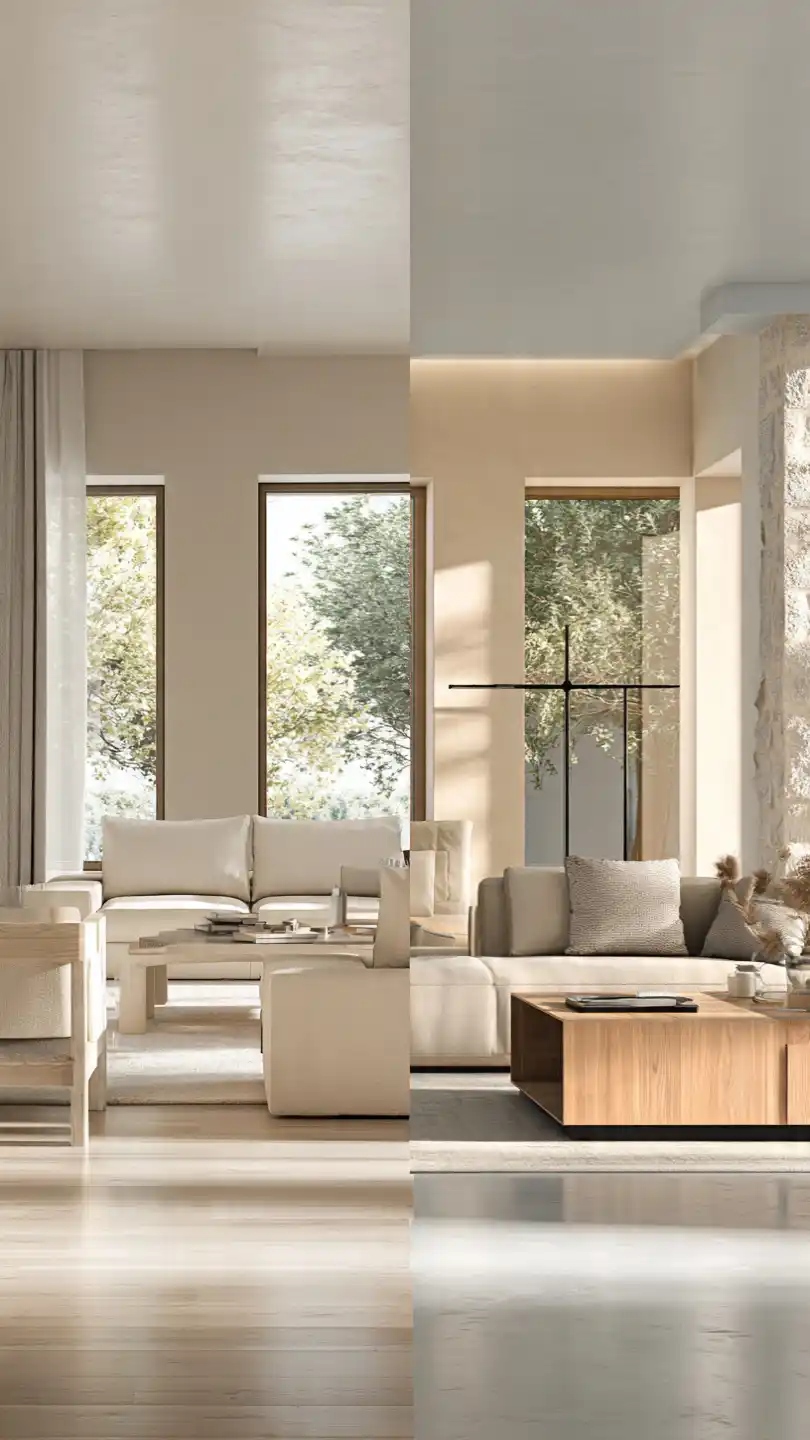
Perfectly matching furniture sets often make minimalist spaces feel flat because every piece blends together without visual contrast or personality naturally.
Many homeowners buy complete furniture collections because coordinating styles appears easier than mixing different materials and finishes thoughtfully.
However, balanced contrast creates more interesting interiors while still maintaining the simplicity associated with minimalist decorating beautifully.
A wooden coffee table paired with fabric seating or metal lighting fixtures adds depth without creating visual clutter unnecessarily.
Decor minimalist interiors benefit from thoughtful variety because different textures and shapes prevent rooms from feeling repetitive or emotionally dull.
The goal is creating harmony instead of forcing every furniture piece to look exactly the same throughout the home completely.
Mixing complementary materials carefully helps minimalist spaces feel more layered, stylish, and naturally inviting for everyday living experiences.
Forgetting About Functional Storage Solutions
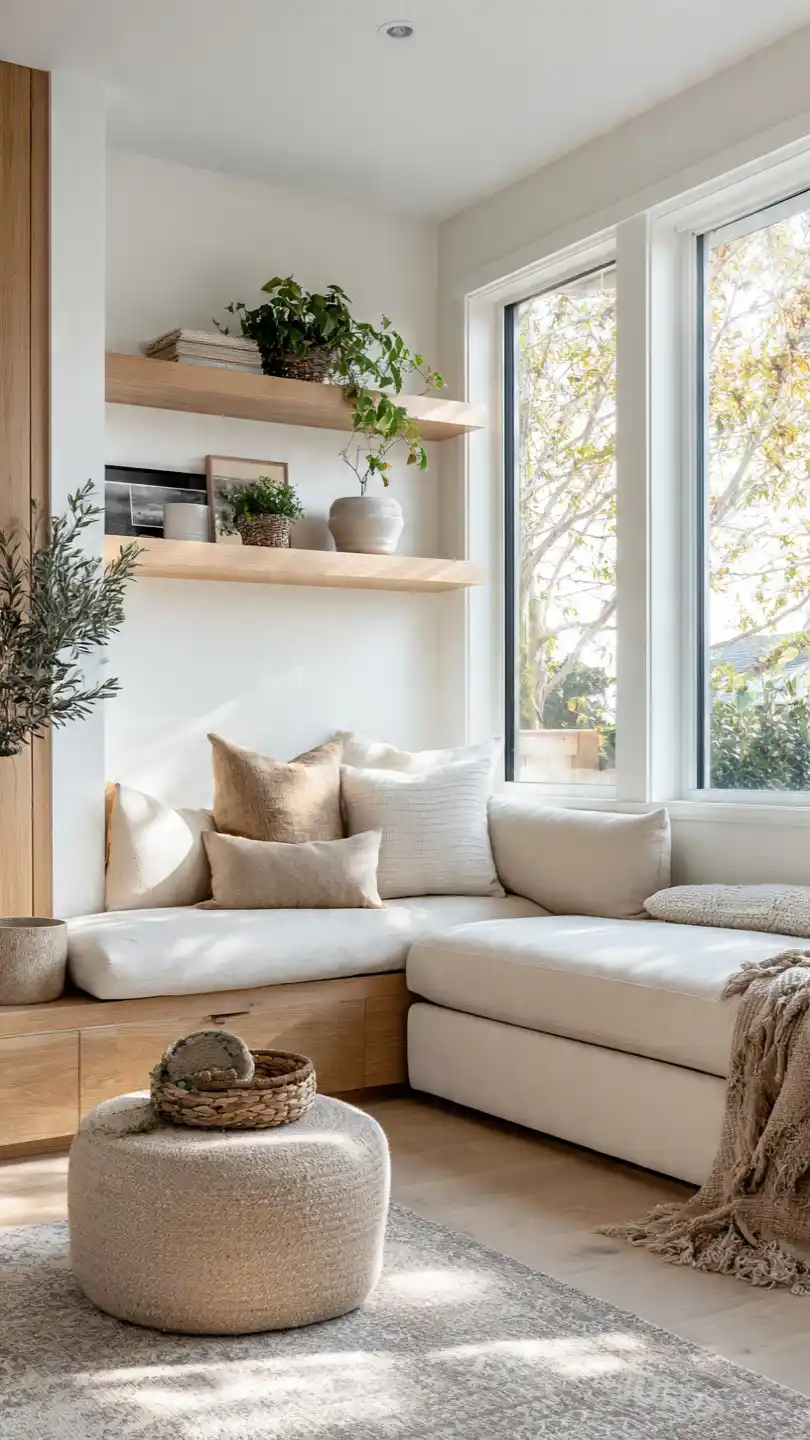
Clutter appears quickly when minimalist homes lack proper storage solutions that support everyday routines and organization naturally.
Many homeowners focus heavily on aesthetics while ignoring practical storage needs during the early decorating and furniture planning stages completely.
Functional storage helps maintain clean surfaces while reducing stress and improving daily convenience within minimalist interiors successfully.
Storage benches, under-bed containers, floating shelves, and multifunctional furniture pieces maximize space without overwhelming rooms visually.
Decor minimalist homes should simplify organization instead of creating constant frustration caused by missing or impractical storage systems afterward.
Thoughtful storage planning also prevents unnecessary purchases because homeowners understand exactly how much space they truly need available.
When every item has a designated place, minimalist interiors remain calmer, cleaner, and significantly easier to maintain long-term naturally.
Choosing Decor Without Visual Contrast
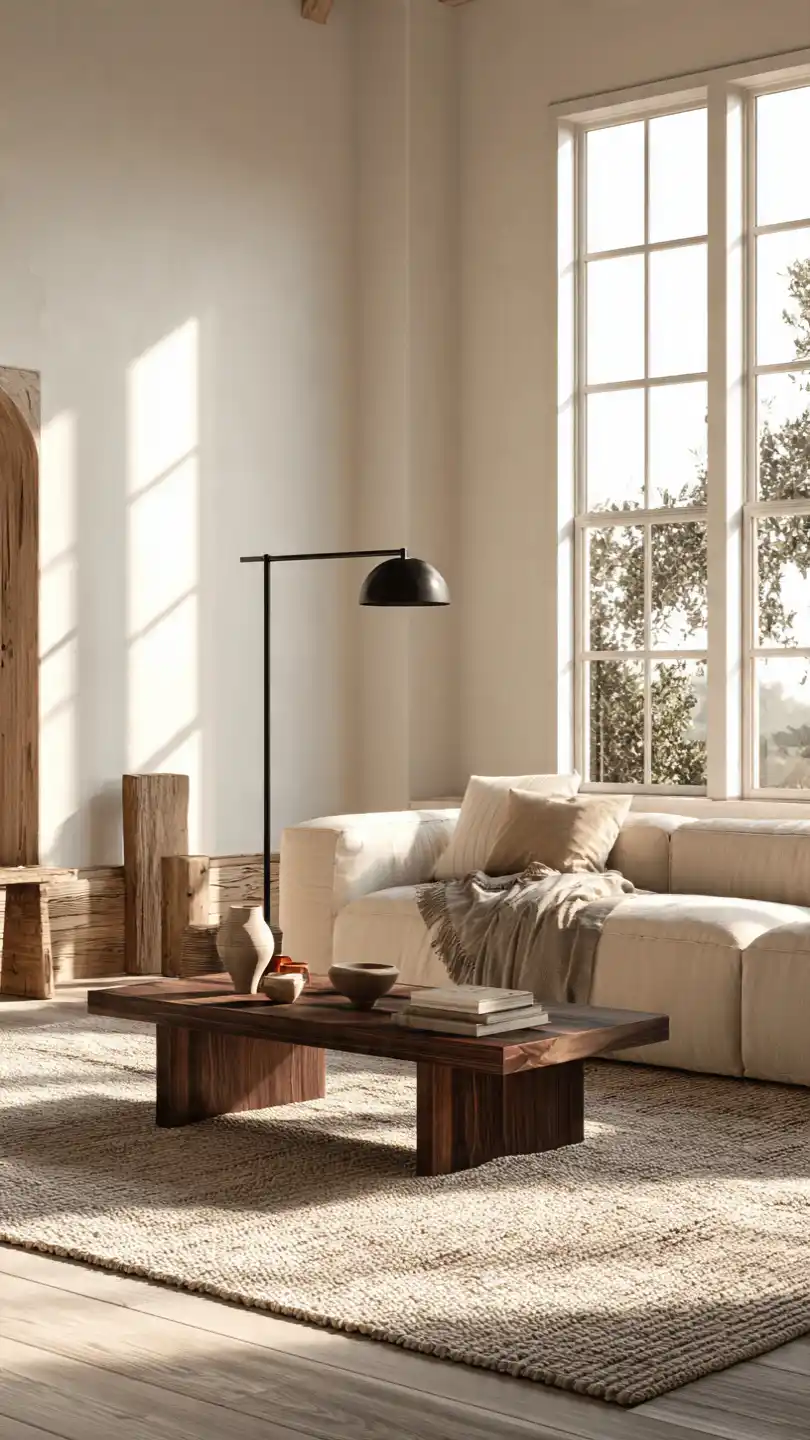
Minimalist rooms lacking contrast often appear dull because similar colors, materials, and shapes blend together excessively throughout the space visually.
Contrast creates visual interest while helping important furniture pieces and decorative details stand out more naturally inside minimalist interiors beautifully.
Dark wood against light walls or soft fabrics beside metal accents creates balanced depth without disrupting minimalist simplicity unnecessarily.
Decor minimalist interiors feel more dynamic when homeowners combine smooth surfaces with textured materials thoughtfully throughout the room naturally.
Subtle contrast also prevents spaces from looking emotionally flat or visually repetitive after extended periods of everyday living comfortably.
You do not need bold colors or dramatic patterns to create contrast inside calm and peaceful minimalist environments successfully.
Carefully layered textures, shapes, and tones often provide enough variation to make minimalist spaces feel visually balanced and welcoming naturally.
Trying to Achieve Perfection Instead of Practical Living
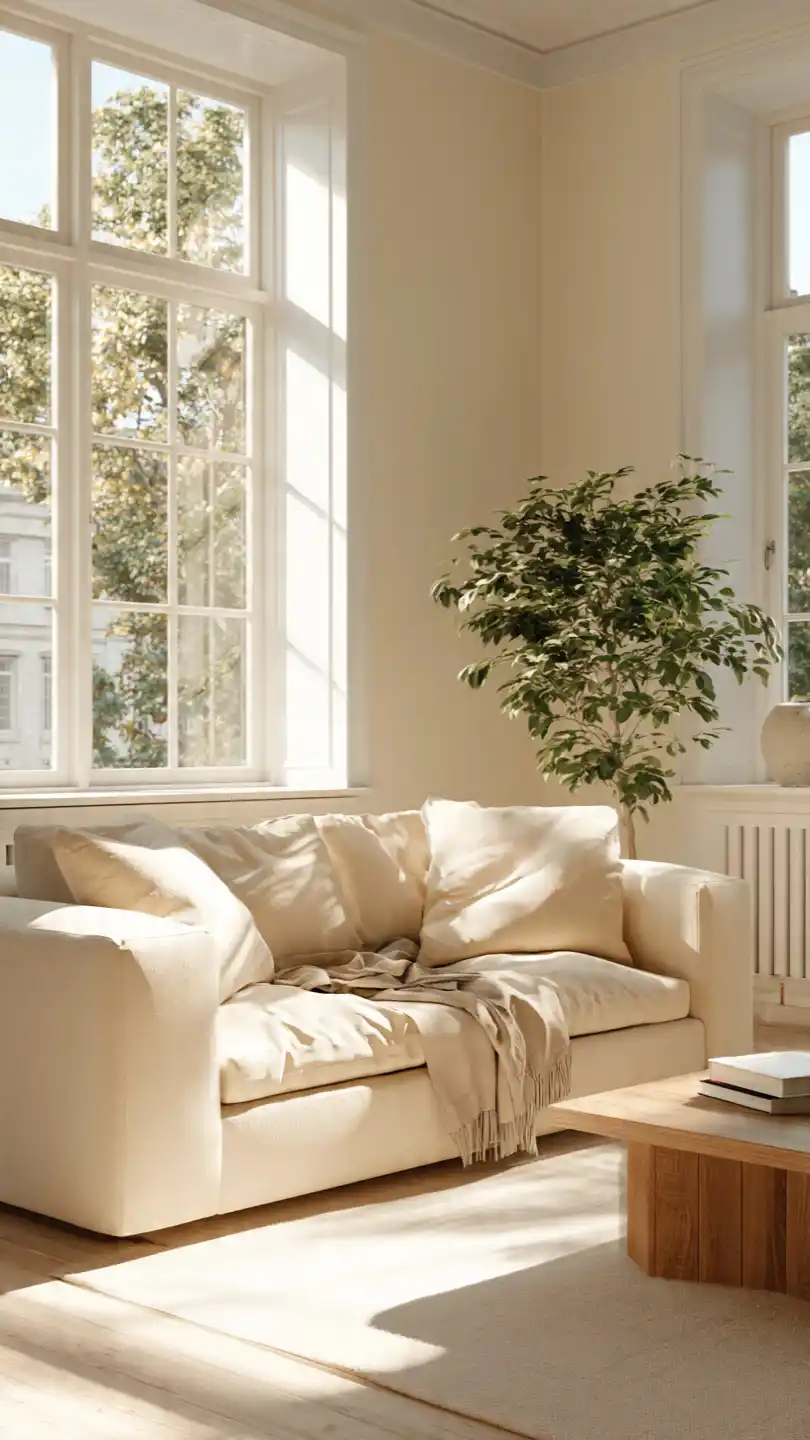
Many homeowners place enormous pressure on themselves while trying to maintain perfectly styled minimalist interiors every single day constantly.
However, real homes naturally change because daily routines, family activities, and personal needs evolve continuously over time realistically.
Minimalism should reduce stress and simplify living instead of creating anxiety about maintaining unrealistic decorating perfection permanently.
Decor minimalist interiors work best when homeowners allow flexibility while still focusing on intentional organization and thoughtful decorating habits consistently.
A slightly lived-in home usually feels warmer and more inviting than a perfectly staged room that nobody enjoys comfortably.
Perfection often prevents creativity and personal expression because homeowners become afraid to adjust spaces according to changing needs naturally.
Focus on creating practical, peaceful, and welcoming environments that support everyday living instead of chasing impossible design standards endlessly.
Final Wrap-Up
Decor minimalist design should create homes that feel peaceful, practical, stylish, and emotionally welcoming for everyday living naturally.
Avoiding these common decorating mistakes helps homeowners create timeless interiors that balance simplicity, warmth, comfort, and functionality successfully.
Minimalism works best when every decorating choice supports real lifestyles instead of unrealistic trends or temporary online inspiration constantly.
Focus on intentional furniture choices, layered textures, balanced lighting, and meaningful decorative details that improve comfort naturally over time.
Your home does not need perfection to feel beautiful because thoughtfully designed spaces always feel more inviting and relaxing overall.
By decorating gradually and prioritizing functionality, you can create a minimalist home that feels calm, personal, and genuinely enjoyable every day.