14 Essentials for Your First Minimalist Room

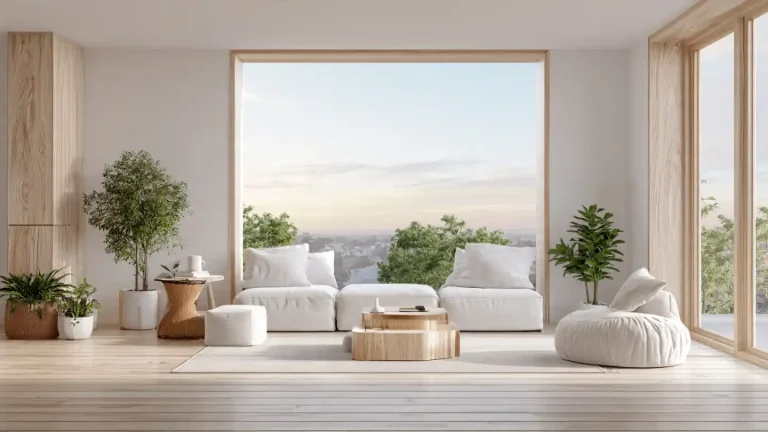
Starting your first minimalist room can feel overwhelming at first, but the right essentials can make your space look clean, functional, and beautifully inviting.
Designing your first minimalist room sounds simple until you actually start making decisions. Suddenly, you’re asking yourself questions like: How much furniture is enough? Will the room feel too plain? How do you make minimalism feel cozy instead of cold?
I had the exact same concerns when I redesigned my guest bedroom last year. I loved the clean look of minimalist interiors online, but I worried the space would lose its warmth and personality.
What surprised me most was how much the right essentials changed everything. A neutral area rug softened the room instantly.
Warm lighting made the space feel relaxing in the evenings, and simple storage solutions kept everything organized without visual clutter.
Minimalist rooms are also much easier to maintain, which is one reason so many people are embracing this style.
Fewer unnecessary items mean less cleaning, less stress, and more room to enjoy the things you actually love.
If you’re starting from scratch or simply want a calmer and cleaner-looking bedroom, these 14 essentials for your first minimalist room will help you create a space that feels balanced, functional, and beautifully simple.
How to Build a Minimalist Room Without Making It Feel Empty
Many beginners remove too many decorative pieces because they mistakenly believe minimalism requires completely empty shelves, walls, and furniture arrangements throughout the room visually.
A successful minimalist room still includes warmth, texture, personality, and comfort because thoughtful simplicity creates balance instead of emotional emptiness naturally.
Soft bedding, layered textures, natural lighting, and carefully chosen decor help minimalist interiors feel inviting without creating unnecessary visual clutter everywhere.
The key involves selecting fewer but more meaningful pieces supporting your lifestyle while improving comfort and daily functionality consistently over time.
Instead of filling every corner with decorations, allow important furniture and textures enough visual space to stand out beautifully and naturally.
This balanced decorating approach helps your minimalist room feel calm, organized, stylish, and genuinely comfortable during everyday living routines consistently.
14 Essentials for Your First Minimalist Room
Choose Calm Neutral Colors for Your Minimalist Room

Neutral colors create a peaceful foundation because they help minimalist rooms feel brighter, cleaner, and visually balanced throughout different lighting conditions naturally.
Soft white, warm beige, muted gray, sandy taupe, and creamy off-white shades work especially well because they reflect light beautifully without overwhelming the room visually.
These calming tones also create flexibility because you can easily add textures, artwork, or decorative accents without disrupting the minimalist atmosphere completely.
Bright wall colors often dominate smaller spaces quickly, while neutral shades help furniture, natural lighting, and decorative details stand out more naturally and elegantly.
If you want extra warmth, introduce earthy accents through cushions, rugs, or blankets instead of painting every surface with strong colors unnecessarily.
A neutral color palette instantly makes your minimalist room feel timeless, cozy, and significantly easier to decorate successfully over many years naturally.
Invest in Functional Furniture With Clean Lines

Furniture shapes strongly influence how a minimalist room feels because bulky or overly decorative pieces often create visual heaviness and unnecessary clutter surprisingly quickly.
Simple furniture with clean lines helps your room appear organized while supporting a calm and balanced interior layout naturally and comfortably every day.
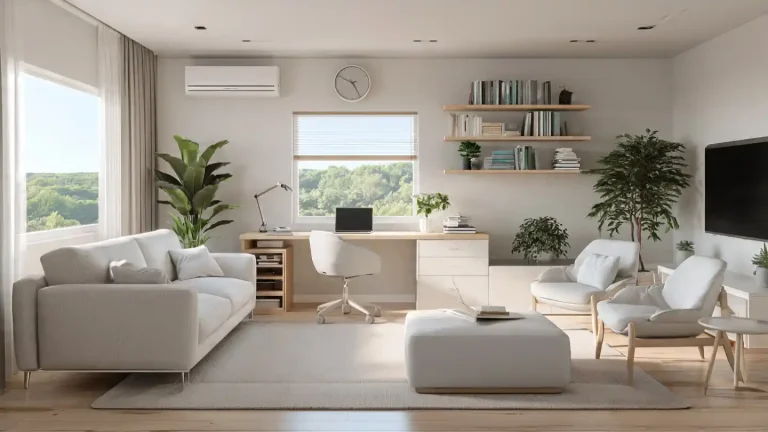
Choose practical items like streamlined desks, compact nightstands, floating shelves, or storage beds because they maximize functionality without consuming excessive floor space unnecessarily.
Multi-purpose furniture works especially well inside smaller minimalist bedrooms because it combines comfort, organization, and storage within one practical design beautifully.
Instead of purchasing trendy furniture that quickly loses usefulness, prioritize durable pieces supporting your everyday routines and long-term decorating goals consistently.
Functional furniture keeps your minimalist room comfortable and organized while maintaining the open and peaceful feeling that defines minimalist interior design naturally.
Create Cozy Comfort With Minimalist Bedding

Your bed naturally becomes the focal point inside most bedrooms, making comfortable and thoughtfully styled bedding essential for a successful minimalist room design.
Soft cotton sheets, textured blankets, lightweight comforters, and supportive pillows help create warmth without making the room feel crowded or visually overwhelming unnecessarily.
Choose calming bedding colors like ivory, light gray, muted olive, dusty beige, or soft cream because they complement minimalist interiors beautifully and naturally.
Layering simple textures adds depth and coziness while preserving the clean aesthetic that makes minimalist bedroom decor feel peaceful and relaxing consistently.
Avoid overcrowding the bed with excessive decorative pillows because too many accessories often create clutter and require constant rearranging throughout the week naturally.
High-quality bedding instantly improves comfort while making your minimalist room feel welcoming, polished, and emotionally calming during everyday life beautifully.
Maximize Natural Lighting Inside Your Minimalist Room

Natural lighting dramatically improves minimalist interiors because sunlight makes clean spaces feel larger, fresher, and significantly more inviting throughout the entire day naturally.
Heavy curtains often block brightness unnecessarily, so lightweight linen panels or sheer curtains help maintain privacy while allowing more sunlight into the room comfortably.
If your bedroom receives limited daylight, place mirrors strategically because reflected light can help smaller minimalist rooms appear brighter and visually larger naturally.
Minimalist decor especially benefits from sunlight because natural illumination highlights textures, furniture lines, and calming color palettes more beautifully throughout the space consistently.
Keeping window areas simple and uncluttered also supports the open atmosphere that makes minimalist interiors feel relaxing and visually balanced naturally.
Even small lighting improvements can transform your minimalist room into a calmer and more uplifting environment supporting daily comfort beautifully.
Add Smart Storage Solutions From the Beginning

Good storage plays an important role inside any minimalist room because clutter quickly disrupts the calm and organized atmosphere supporting simple living naturally.
Floating shelves, under-bed containers, woven baskets, and storage benches help organize belongings efficiently without making the room appear visually crowded or chaotic unnecessarily.
Closed storage systems work especially well because they hide everyday items while maintaining clean surfaces and a balanced overall room appearance consistently.
Many people wait too long before improving storage, yet early organization prevents clutter from building gradually throughout busy routines and changing schedules naturally.
Choose storage solutions supporting your lifestyle instead of buying random organizers that eventually create additional visual mess and unnecessary complications later.
Smart storage keeps your minimalist room functional, peaceful, and significantly easier to maintain throughout everyday life and long-term lifestyle changes naturally.
Use One Statement Piece to Add Personality
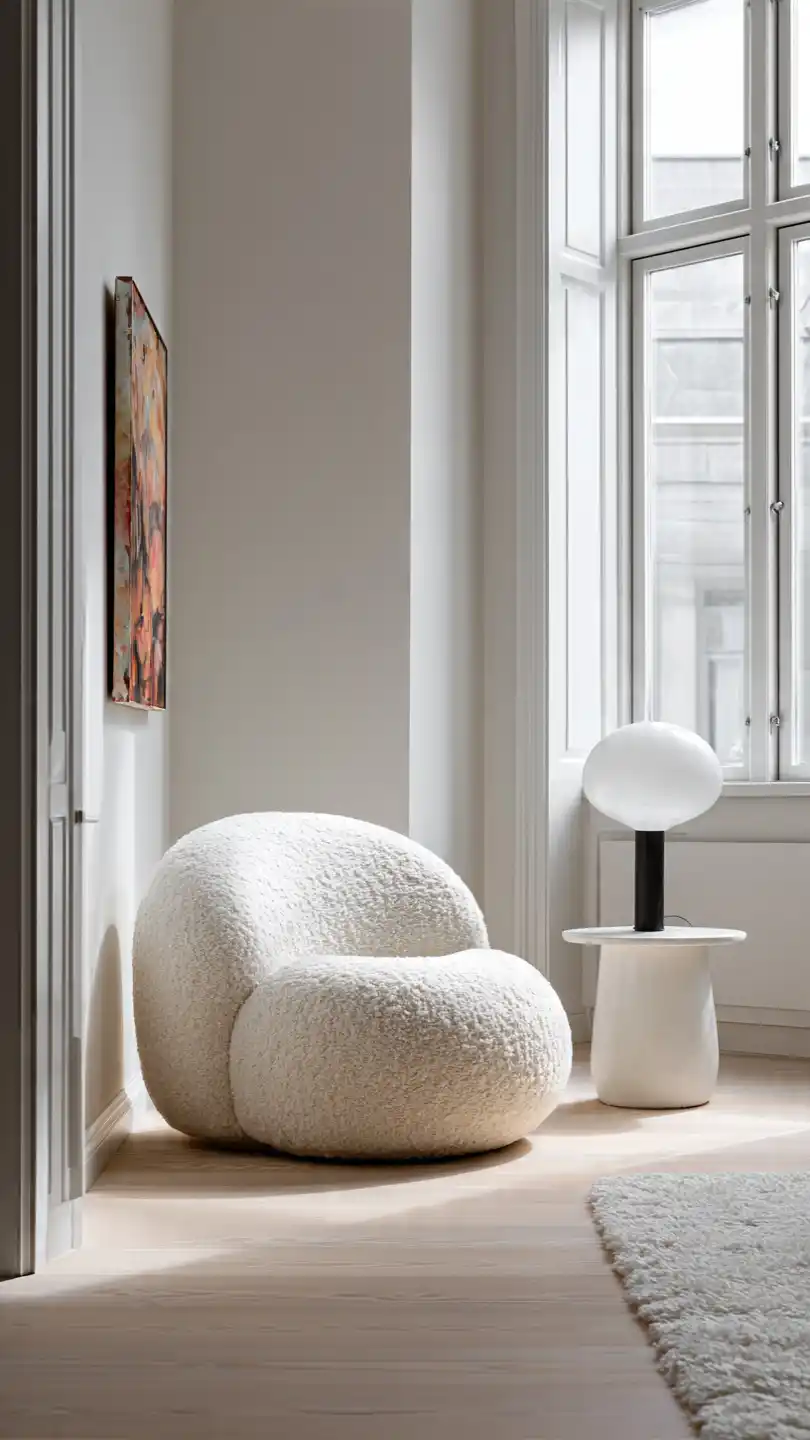
Minimalist interiors still need personality because thoughtful decorative choices help rooms feel warm, intentional, and emotionally connected to your personal lifestyle naturally.
One carefully chosen statement piece creates visual interest without overwhelming the room or disrupting the calming atmosphere supporting minimalist decorating principles consistently.
A large framed artwork, textured rug, sculptural lamp, or elegant accent chair can instantly become the room’s focal point beautifully and naturally.
Statement pieces work best when surrounding furniture remains simple because contrast helps important decorative elements stand out more effectively and stylishly throughout the space visually.
Instead of displaying many small accessories everywhere, focus on one meaningful item reflecting your personality, hobbies, or creative interests naturally and comfortably.
This decorating approach keeps your minimalist room visually balanced while preserving the clean and relaxing atmosphere that minimalist interiors are known for beautifully.
Decorate With Meaningful and Useful Items

Minimalist decorating encourages intentional choices because every object inside your room should contribute beauty, usefulness, comfort, or emotional value naturally and consistently.
Instead of filling shelves with random accessories, display meaningful decor like framed photographs, favorite books, handmade pottery, or personal travel keepsakes thoughtfully.
Purposeful decorations make your minimalist room feel welcoming and authentic without creating the crowded appearance caused by excessive decorative collections unnecessarily.
Smaller decorative arrangements also simplify cleaning because fewer surfaces collect dust or require constant rearranging during busy weeks and stressful schedules naturally.
Before buying new decor, consider whether the item genuinely improves your space or simply fills empty corners without meaningful long-term purpose consistently.
Carefully selected decorations create stronger visual impact while helping your minimalist room feel calm, personal, and beautifully organized throughout everyday life naturally.
Bring Warmth Through Natural Materials and Textures

Natural materials help minimalist rooms feel softer and more inviting because organic textures balance clean lines and simple furniture arrangements beautifully and naturally.
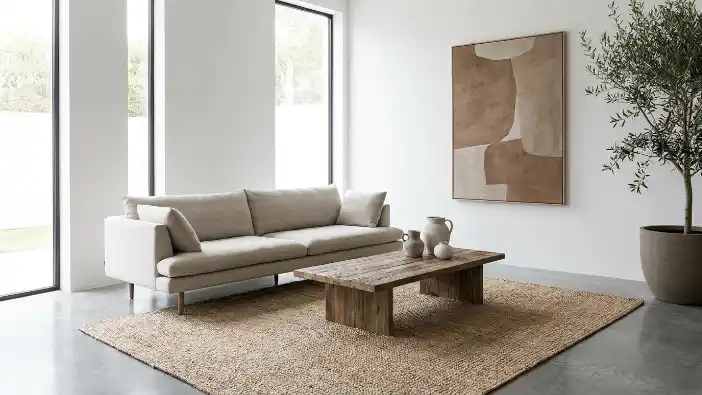
Wood furniture, woven baskets, linen curtains, cotton bedding, ceramic decor, and jute rugs introduce warmth without overwhelming the minimalist aesthetic visually or emotionally.
These textures prevent minimalist interiors from feeling cold because layered materials create depth, comfort, and subtle visual variation throughout the room naturally.
Combining natural materials with calming neutral colors also creates a timeless decorating style that remains attractive through changing interior trends consistently.
Indoor plants work especially well alongside natural textures because greenery adds freshness while supporting a more peaceful and relaxing room atmosphere naturally.
Even small texture updates can dramatically improve how your minimalist room feels emotionally, visually, and physically during daily routines consistently.
Choose Soft Lighting for a Cozy Atmosphere

Lighting strongly affects mood because harsh brightness can make even beautifully designed minimalist rooms feel uncomfortable and emotionally cold surprisingly quickly.
Soft warm lighting creates a relaxing atmosphere while highlighting textures, calming colors, and decorative details more naturally throughout evening hours beautifully.
Simple table lamps, wall sconces, pendant lights, and floor lamps with clean shapes support minimalist interiors without introducing excessive visual complexity unnecessarily.
Layering several light sources also improves functionality because different activities require different brightness levels throughout your everyday routines naturally and comfortably.
Avoid oversized or heavily decorative light fixtures because minimalist rooms benefit more from elegant simplicity and practical lighting arrangements consistently.
Thoughtful lighting instantly transforms your minimalist room into a peaceful and cozy retreat supporting relaxation, productivity, and emotional comfort beautifully every day.
Use Rugs to Add Warmth and Balance

Area rugs improve minimalist rooms because they define furniture layouts while adding warmth, softness, and texture underfoot naturally throughout everyday living routines consistently.
Neutral rugs with subtle patterns usually work best because they complement minimalist interiors without distracting from the clean and calming overall design visually.
Rugs also improve comfort significantly because they reduce noise and make bedrooms feel quieter, warmer, and more relaxing throughout busy mornings naturally.
Choosing the correct rug size matters because rugs that appear too small often make minimalist rooms feel disconnected and visually awkward unexpectedly.
Larger rugs typically create stronger balance because they anchor furniture while helping the room feel more cohesive and thoughtfully arranged beautifully.
This simple decorating element quietly improves comfort while strengthening the peaceful atmosphere that makes minimalist interiors feel welcoming and complete naturally.
Keep Open Space Around Furniture

Open space remains essential inside minimalist interiors because breathing room helps furniture arrangements feel intentional instead of cramped or visually overwhelming unnecessarily.
Many beginners overcrowd rooms accidentally because they focus heavily on decorating while ignoring movement, comfort, and overall visual balance throughout the layout naturally.
Leaving space around beds, desks, and seating areas helps smaller bedrooms feel larger while improving comfort and daily functionality consistently.
Minimalist design values openness because empty space allows important furniture pieces and textures to stand out more beautifully and naturally.
Sometimes removing one unnecessary chair, shelf, or side table improves the room more effectively than purchasing additional decorative accessories surprisingly quickly.
When your minimalist room supports comfortable movement, the entire space automatically feels calmer, cleaner, and significantly easier to maintain every day naturally.
Add Greenery for Freshness and Life

Indoor plants instantly improve minimalist interiors because natural greenery softens clean lines while adding freshness and subtle color beautifully throughout the room naturally.
Low-maintenance plants like snake plants, pothos, rubber plants, and peace lilies work especially well for beginners wanting simple and stylish minimalist decor.
Plants also improve the atmosphere emotionally because greenery often creates feelings of calmness, focus, and relaxation during stressful daily routines consistently.
Instead of placing many plants throughout the room randomly, choose one or two carefully positioned arrangements supporting balance and visual harmony naturally.
Simple ceramic pots or woven baskets complement minimalist interiors while maintaining the clean and uncluttered appearance supporting minimalist design beautifully.
Even one healthy indoor plant can make your minimalist room feel fresher, calmer, and much more inviting during everyday living naturally.
Organize Everyday Essentials Thoughtfully
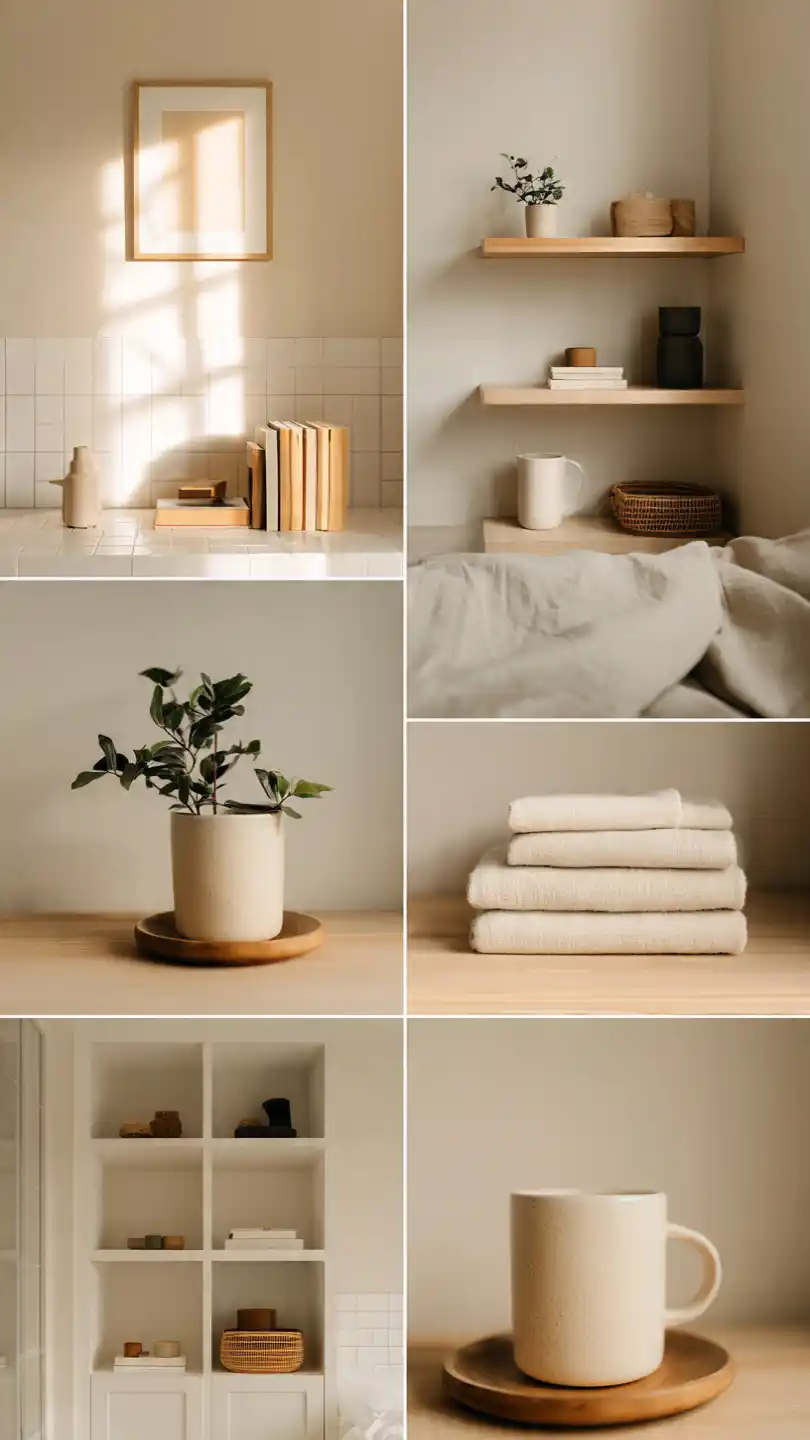
A functional minimalist room supports daily habits naturally because important items should remain accessible without creating clutter or unnecessary frustration consistently.
Store chargers, notebooks, skincare products, glasses, and office supplies inside organized drawers, trays, or baskets supporting simple and efficient routines beautifully.
Complicated storage systems often fail because difficult organization encourages clutter buildup when schedules become busy and unpredictable throughout the week naturally.
Minimalism does not require hiding every object completely because practical organization balances convenience with visual cleanliness effectively and comfortably every day.
Simple habits like returning items immediately after use help your minimalist room stay tidy without requiring constant deep-cleaning sessions unexpectedly.
When organization feels effortless, maintaining a calm and visually balanced room becomes significantly easier throughout changing lifestyles and daily responsibilities naturally.
Leave Flexibility for Future Changes

Your first minimalist room should support flexibility because personal routines, hobbies, and responsibilities naturally evolve throughout different stages of life consistently.
Avoid decorating too rigidly because adaptable spaces remain functional and comfortable while supporting future lifestyle changes more effectively over time naturally.
You may eventually need additional storage, a larger desk, better lighting, or more comfortable seating depending on changing work and personal needs later.
A flexible minimalist foundation makes future adjustments easier because simple furniture layouts support gradual improvements without requiring complete redesigns constantly.
Minimalist living ultimately focuses on intentional comfort rather than strict rules limiting creativity or preventing personal expression unnecessarily.
When your room evolves naturally with your lifestyle, the space continues feeling practical, peaceful, and emotionally supportive throughout everyday life beautifully.
Final Thoughts
Designing your first minimalist room becomes much easier when you focus on thoughtful choices supporting comfort, organization, simplicity, and intentional daily living naturally.
You never need expensive furniture or perfectly styled interiors because practical habits and meaningful design choices create truly relaxing spaces beautifully and consistently.
By choosing calming colors, functional furniture, natural textures, and smart storage solutions, your room can feel peaceful while remaining highly practical every day.
Remember that minimalism should support your lifestyle instead of limiting your personality or forcing unrealistic decorating expectations unnecessarily.
Start slowly, improve your room gradually, and allow your minimalist space to evolve naturally alongside your changing needs and personal preferences over time.
With patience and intentional decorating choices, your minimalist room can become one of the most calming, functional, and welcoming spaces inside your home beautifully.