How To Decorate Your Hallway

Hallway decoration involves selecting appropriate lighting, adding wall art or mirrors, choosing functional storage solutions, and incorporating a cohesive color scheme that connects adjoining rooms.
The goal is to transform a transitional space into an intentional design element that enhances your home’s flow and first impressions.
Let’s be honest. Your hallway is probably the last place you think about when decorating.
Most people walk through it a hundred times a day and never actually see it. But here’s the thing: hallways are like the punctuation marks of your home.
They connect everything together, and when done right, they can completely change how your space feels.
Ready to turn that forgotten corridor into something worth looking at?
Key Takeaways
- Lighting transforms everything. Fix this first before adding any decor.
- Don’t be afraid of dark or bold colors in narrow hallways. They create atmosphere.
- Mirrors and light colors make spaces feel larger, but personality matters more than tricks.
- Functional storage keeps hallways from becoming dumping grounds for shoes and bags.
- One statement piece beats ten mediocre decorations every single time.
How To Decorate Your Hallway
Step 1: Assess Your Hallway’s Potential
Before you buy a single thing, walk through your hallway slowly. I mean really look at it.
What’s the lighting like? Is it a dark tunnel or does natural light hit certain spots? Measure the width because this determines whether you can add furniture or need to stick with wall-mounted options.
Take photos from both ends. You’ll notice things in pictures that your eyes skip over in real life. Trust me on this one.
Step 2: Fix the Lighting First
Nothing kills a hallway vibe faster than bad lighting. That single overhead bulb casting weird shadows? Not going to cut it.
Add wall sconces at eye level for a hotel-like elegance. They create pools of light that make the space feel intentional instead of utilitarian.
If you’re renting or don’t want to hardwire anything, battery-operated LED picture lights work surprisingly well. String lights feel college-dorm-ish here, so skip those.
Consider Natural Light Sources
Got a window at the end of your hallway? Don’t block it with heavy curtains.
Use sheer fabrics or skip window treatments entirely. Natural light is your best friend in narrow spaces.
Step 3: Choose Your Color Strategy
Dark hallways can handle bold colors better than you think. A deep navy or forest green actually makes a narrow space feel cozy rather than claustrophobic.
Light colors work too, but here’s what nobody tells you: bright white shows every scuff mark from bags, kids, and pets. Go with an off-white or soft gray if you want something neutral.
Paint the ceiling a shade lighter than the walls. It draws the eye up and makes the space feel taller.
Step 4: Add Art and Visual Interest
A hallway is basically a vertical gallery waiting to happen. This is where you can get creative without overthinking it.
Gallery walls work great here. Mix frame sizes and don’t stress about perfect symmetry. Real homes have personality, not showroom precision.
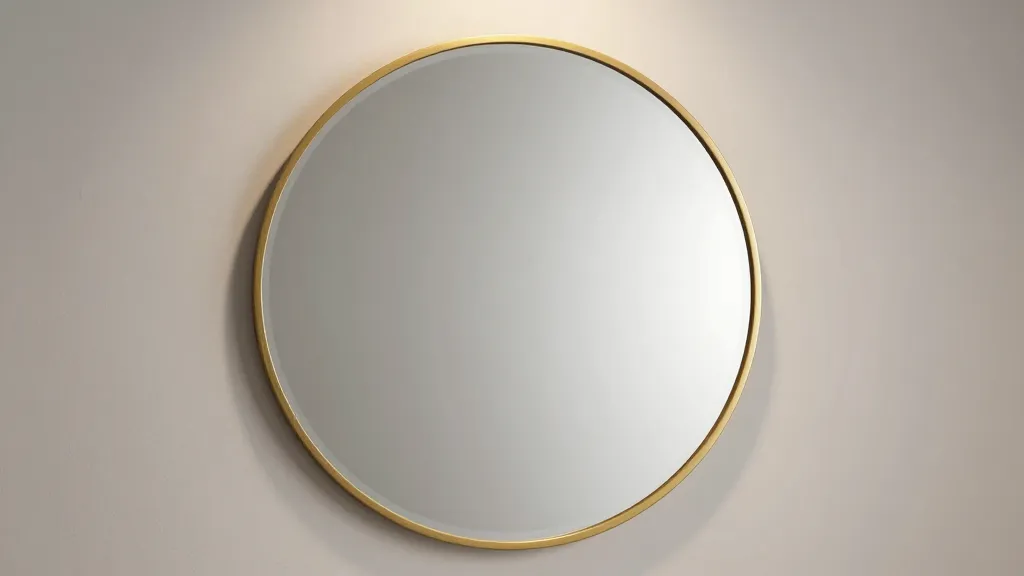
Mirrors are the MVP of hallway decor. They bounce light around and make the space feel twice as wide. Place one opposite a window if possible.
The Rule of Thirds (Kind Of)
Hang art so the center sits about 57 inches from the floor. That’s standard gallery height.
But honestly? If it looks good to you at a different height, do that instead. Your home, your rules.
Step 5: Incorporate Functional Storage
Wide hallway? Lucky you. Add a console table or narrow bench.
Narrow hallway? Wall-mounted hooks and floating shelves are your best bet. They add function without eating up precious floor space.
I’m a fan of shallow bookcases (like 6 inches deep) in hallways. They hold way more than you’d expect and turn dead space into a mini library.
Step 6: Layer in Texture and Personality
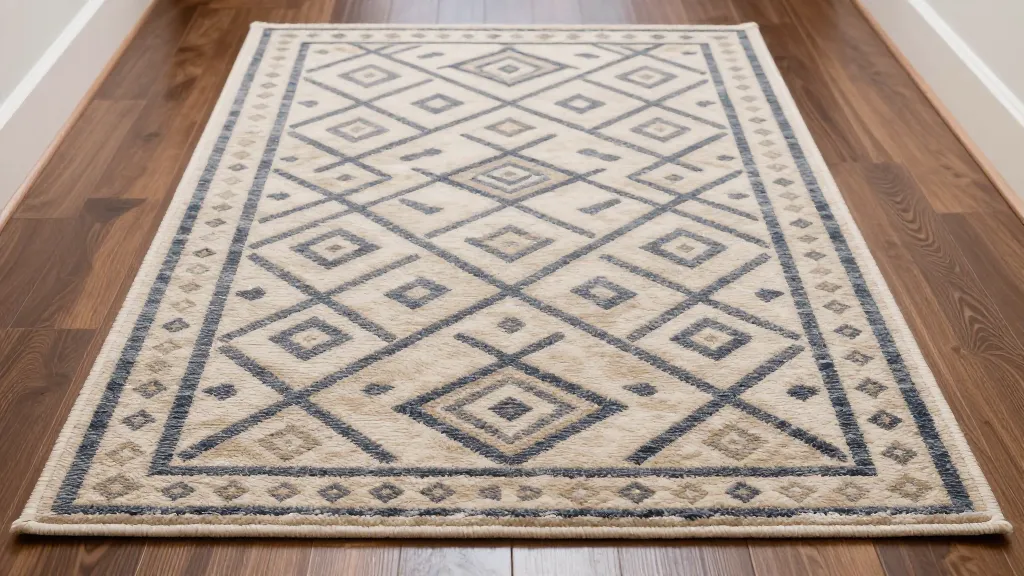
Floors matter more in hallways because that’s mostly what you see when walking through. A runner rug adds warmth and protects high-traffic areas.
Go for patterns here. Solid colors show dirt too easily, and you’ll be vacuuming constantly.
Add a small plant on a shelf or table if your hallway gets any natural light. Fake plants work too. No judgment.
Step 7: Create a Focal Point
Every hallway needs something that makes you stop and look. A statement light fixture. An oversized piece of art. A bold wallpaper accent wall.
Pick one thing to be the star. Everything else should support it, not compete with it.
FYI, wallpaper works incredibly well in hallways because you’re not staring at it for hours like you would in a living room. You can go bolder here than anywhere else in your home.
Final Thoughts
Your hallway connects every room in your home. It deserves better than builder-grade beige walls and a single sad lightbulb.
Start small if the whole project feels overwhelming. Add one piece of art this weekend. Swap out the light fixture next month. Decorating doesn’t have to happen all at once.
The best part about hallways? They’re low-pressure spaces to experiment. If you hate something, you only see it for a few seconds at a time anyway.
Now go give that hallway some love. It’s been waiting long enough.