Minimalist Room Layouts: 12 Clean Design Ideas

A well-planned minimalist room can completely change how your home looks and feels. Get inspired by these smart layout ideas that make any space feel more open, balanced, and welcoming.

Creating a comfortable home is not always about buying expensive furniture or following every interior design trend you see online recently.
Sometimes, the biggest difference comes from something surprisingly simple, which is improving the way your room actually flows during daily life.
A thoughtful minimalist room layout can make small spaces feel larger while helping busy homes feel calmer and much easier to navigate comfortably.
Many homeowners accidentally overcrowd their rooms with decorative pieces, oversized furniture, and awkward arrangements that interrupt natural movement constantly throughout the day.
Minimalist interiors focus on intentional placement instead of excess, which helps create homes that feel balanced, airy, and visually relaxing for everyday living.
This design approach also works beautifully because minimalist room ideas can adapt easily to modern apartments, cozy homes, and even traditional family spaces naturally.
Another reason people love minimalist layouts involves maintenance because organized spaces usually feel cleaner and easier to manage throughout busy weekly routines.
Even simple changes, including wider walkways or floating furniture arrangements, can completely refresh the atmosphere without requiring major renovations or remodeling projects.
To inspire your next home update, we have gathered 12 minimalist room layouts for better flow that combine comfort, practicality, and timeless style beautifully.
These ideas will help you design a room that feels more open, functional, and genuinely enjoyable for everyday living throughout the entire year.
Simple Signs Your Current Layout Needs Improvement
Sometimes a room already contains beautiful furniture, although the arrangement still makes the space feel cramped or visually overwhelming daily.
If walking through the room feels awkward or furniture blocks natural pathways, your layout may need thoughtful adjustments and better spacing.
Another common sign involves constantly moving items around because the current arrangement does not support everyday comfort or practical activities smoothly.
Rooms with too many decorative pieces often feel cluttered, even when homeowners carefully organize everything and maintain regular cleaning habits consistently.
A balanced minimalist room should allow movement, conversation, and relaxation without creating visual stress or uncomfortable walking patterns throughout the day.
Even small layout changes can dramatically improve comfort while helping your home feel lighter, calmer, and much easier to maintain naturally.
12 Minimalist Room Layouts for Better Flow
Minimalist Room Layout With Floating Furniture

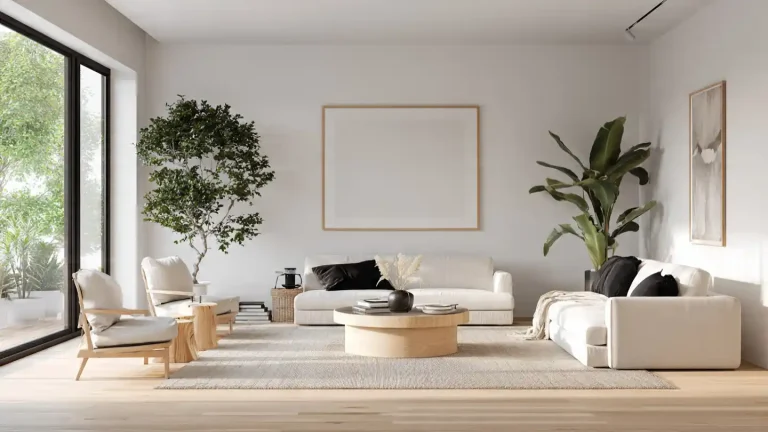
Many people automatically place furniture directly against walls, although floating arrangements often create a more balanced and welcoming atmosphere naturally.
Pulling the sofa slightly away from the wall adds depth while helping the room feel intentionally designed instead of visually flat or crowded.
This minimalist room layout works especially well inside open-concept spaces because it gently separates functional zones without requiring heavy room dividers.
A soft area rug underneath the seating arrangement helps anchor the furniture while maintaining a clean and uncluttered appearance throughout the room.
You can also place a slim console table behind the sofa for extra storage without interrupting the room’s natural walking flow significantly.
This arrangement encourages smoother movement patterns while making smaller spaces appear larger, brighter, and more thoughtfully organized for daily living.
Minimalist Room Layout With Clear Walkways

One of the easiest ways to improve any minimalist room involves creating wide and comfortable walking paths throughout the entire living area naturally.
Furniture should never force people to squeeze through narrow spaces or constantly change direction while moving around the room during daily activities.
A clean layout allows movement to feel effortless, which immediately makes the room appear calmer, more spacious, and visually balanced overall.
Coffee tables with slimmer shapes usually work better because they reduce visual heaviness while preserving comfortable walking space around seating arrangements.
This minimalist room layout becomes especially helpful inside smaller apartments where crowded furniture arrangements quickly overwhelm the available floor space visually.
Even removing one unnecessary side table can improve movement dramatically while helping the room feel more open and easier to navigate comfortably.
Minimalist Room Layout Centered Around Natural Light

Natural light plays an important role inside minimalist interiors because brighter spaces naturally feel cleaner, calmer, and significantly more welcoming throughout the day.
Positioning your main seating area near windows allows sunlight to become part of the room’s overall design rather than an overlooked background feature.
Avoid placing large storage cabinets directly beside windows because bulky furniture often blocks valuable light and visually shrinks the surrounding space noticeably.
Light-colored curtains and soft neutral walls also help distribute brightness evenly without overwhelming the simple and calming minimalist aesthetic beautifully.
This minimalist room layout creates a warm atmosphere while reducing the need for excessive decorations or complicated design elements throughout the interior space.
A naturally bright room often feels more comfortable because openness and simplicity remain the main focus instead of unnecessary visual distractions everywhere.
Minimalist Room Layout With Multifunctional Furniture

Multifunctional furniture supports minimalist living because it reduces clutter while helping compact spaces remain practical and comfortable for everyday use consistently.
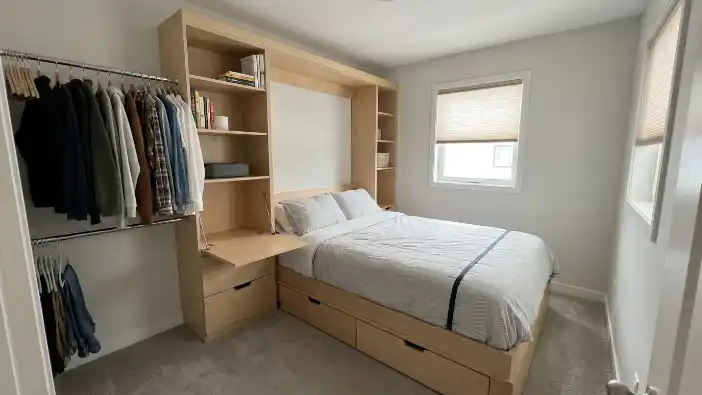
A storage ottoman, expandable dining table, or bed with hidden drawers can improve organization without overcrowding the room with extra furniture pieces.
This minimalist room layout works beautifully inside apartments and smaller homes where every piece of furniture needs to serve multiple useful purposes.
Choosing versatile furniture also encourages intentional decorating because homeowners become more selective about what truly deserves space inside the room.
Place multifunctional pieces near high-activity areas so they remain easy to access without disrupting movement or creating unnecessary visual clutter nearby.
The final result feels cleaner, more organized, and surprisingly spacious while maintaining the calm atmosphere that minimalist interiors naturally encourage every day.
Minimalist Room Layout With Open Corners

Many homeowners immediately fill empty corners with shelves or decorative furniture, although open space often improves balance inside minimalist interiors dramatically.
Allowing certain corners to remain visually clear helps the eye move comfortably throughout the room without feeling overwhelmed by constant visual stimulation daily.
This minimalist room layout creates breathing room that makes the entire space feel calmer, lighter, and more thoughtfully arranged for practical living.
Open corners also improve flexibility because rearranging furniture later becomes easier without working around bulky decorative items or oversized storage units.
If a corner feels too plain, add one simple floor lamp or a woven basket for warmth without interrupting the minimalist atmosphere unnecessarily.
Keeping some areas intentionally empty strengthens room flow while helping smaller spaces feel more open and naturally relaxing throughout the entire day.
Minimalist Room Layout With Symmetrical Balance

Symmetrical layouts create visual harmony because balanced furniture arrangements naturally feel calmer and easier for the eye to process comfortably every day.
Matching chairs beside a sofa or identical lamps beside a console table instantly make minimalist rooms appear more organized and visually connected overall.
This minimalist room layout works especially well inside bedrooms and living rooms where relaxation and comfort remain important priorities throughout daily routines.
Symmetry also simplifies decorating decisions because balanced arrangements already create visual structure without needing excessive accessories or complicated styling techniques afterward.
Choose furniture with clean lines and soft neutral tones so the space feels welcoming rather than overly formal or visually rigid during everyday use.
A balanced room arrangement encourages peaceful energy while supporting the uncluttered atmosphere that makes minimalist interiors feel timeless and comfortable naturally.
Minimalist Room Layout Designed Around Conversation

Some living rooms look attractive yet feel uncomfortable because furniture placement does not support natural conversation or relaxed social interaction effectively.
A conversation-focused minimalist room layout places seating close enough together so people can connect comfortably without shouting awkwardly across large empty spaces.
Instead of pointing every chair toward the television, create a circular or semi-open arrangement that encourages relaxed communication during gatherings and quiet evenings.
This layout style feels especially welcoming for families because it supports connection while maintaining the clean and uncluttered appearance minimalist interiors usually provide.
Adding a simple coffee table in the center helps ground the arrangement while preserving functionality without overcrowding the overall room design visually.
The entire space immediately feels warmer, more intentional, and much better suited for real everyday living instead of decorative presentation alone.
Minimalist Room Layout With Vertical Storage

Vertical storage helps minimalist rooms stay organized because it uses wall height efficiently without sacrificing valuable floor space or comfortable movement pathways.
Tall shelving units, floating shelves, and mounted cabinets provide practical storage while helping interiors feel cleaner and visually less crowded throughout daily routines.
This minimalist room layout works wonderfully inside compact homes where maintaining organization becomes essential for creating a calm and relaxing atmosphere consistently.
Keep shelves partially open instead of completely full because overcrowded storage quickly disrupts the peaceful feeling minimalist interiors naturally encourage and support.
Using matching baskets or neutral containers also creates visual consistency while hiding smaller household items that might otherwise create unnecessary clutter visibly.
A vertically organized room feels taller, brighter, and significantly more spacious because the floor remains open and easy to navigate comfortably every day.
Minimalist Room Layout Using Neutral Zones

Neutral zones refer to visually calm spaces that separate activities naturally without relying on bulky furniture or heavy decorative room dividers unnecessarily.
For example, an open rug area between dining furniture and seating arrangements can define zones while preserving overall openness and comfortable room flow beautifully.
This minimalist room layout works especially well inside multifunctional homes where several daily activities happen inside one shared living area consistently.
Neutral zones prevent rooms from feeling overcrowded because furniture gains breathing room instead of competing constantly for visual attention and available space.
Soft textures, natural materials, and subtle color transitions strengthen these zones while maintaining a peaceful and cohesive minimalist interior style throughout the home.
This arrangement keeps the room feeling organized, balanced, and naturally connected without sacrificing comfort or practical functionality during everyday activities.
Minimalist Room Layout With Low-Profile Furniture

Low-profile furniture helps rooms feel more spacious because lower visual lines create openness throughout the surrounding environment naturally and effectively every day.
Sofas, beds, and tables with lower heights allow natural light to travel more freely across the room without visual heaviness blocking the layout.
This minimalist room layout works especially well inside smaller homes where oversized furniture can quickly dominate the entire interior space visually and physically.
Furniture with exposed legs also helps because lighter silhouettes create an airy feeling while improving movement and visual balance throughout the room naturally.
Pair low-profile pieces with simple wall décor so attention remains focused on openness, comfort, and clean architectural lines instead of unnecessary visual clutter.
The final result feels modern, bright, and intentionally designed without requiring expensive renovations or complicated decorating projects throughout the home interior.
Minimalist Room Layout With Defined Functional Zones

Defined zones help minimalist rooms feel more practical because every section supports a specific purpose during daily household routines and activities naturally.
A reading corner, workspace, or dining area can exist comfortably inside one room when furniture placement clearly separates each functional space thoughtfully.
This minimalist room layout works especially well for apartment living, remote work setups, and families managing several activities inside shared home environments.
Use rugs, lighting, or furniture orientation to define each area subtly while maintaining openness and preserving strong visual consistency throughout the room beautifully.
Avoid heavy room dividers because bulky partitions interrupt movement and often make minimalist interiors feel cramped or visually disconnected over time unnecessarily.
Clearly defined zones improve organization while helping your room feel intentional, efficient, and much easier to enjoy throughout busy daily schedules comfortably.
Minimalist Room Layout That Prioritizes Empty Space

Many homeowners underestimate how powerful empty space becomes inside a thoughtfully designed minimalist room focused on better comfort and natural movement daily.
Leaving intentional gaps between furniture pieces allows the room to breathe while improving openness, balance, and visual harmony throughout the entire interior beautifully.
This minimalist room layout encourages intentional decorating because every item must contribute meaningfully instead of simply filling unused areas unnecessarily over time.
Minimalist interiors often feel luxurious because uncluttered spaces create calmness that crowded and visually busy rooms rarely achieve successfully for long periods.
You can strengthen this effect by limiting oversized decorations and allowing textures, natural light, and architectural details to stand out naturally within the space.
A room with intentional empty space feels peaceful, emotionally refreshing, and much easier to maintain while supporting a simpler lifestyle every single day.
Smart Styling Tips That Improve Minimalist Layouts
Even the best minimalist room layout can feel incomplete when decorative choices compete visually instead of supporting openness and overall room balance naturally.
Choose soft neutral colors, layered textures, and simple decorative accents that complement the room without creating unnecessary visual distractions or clutter.
Natural materials including wood, linen, cotton, and woven textures help minimalist interiors feel warmer and more inviting during everyday living activities comfortably.
Large mirrors also improve minimalist spaces because they reflect light while making smaller rooms appear brighter and visually more spacious throughout the day.
Keep decorative accessories limited so each piece feels intentional instead of crowded among excessive styling elements or unnecessary furniture throughout the home.
Thoughtful styling strengthens minimalist layouts while helping your room feel calm, balanced, and genuinely comfortable without losing warmth or personality naturally.
Final Thoughts
Creating a better minimalist room layout does not require expensive furniture or complicated renovations that completely transform your home structure permanently.
Simple adjustments including wider walkways, balanced furniture placement, and intentional empty space can dramatically improve comfort and room flow immediately.
Minimalist interiors work best when every piece supports movement, functionality, and relaxation without overwhelming the space visually or physically during daily routines.
Whether you prefer cozy modern interiors or bright neutral spaces, thoughtful layouts help every room feel cleaner, calmer, and easier to enjoy naturally.
The most successful minimalist homes balance simplicity with warmth while supporting real everyday living instead of focusing only on decorative appearance constantly.
By applying these practical layout ideas carefully, you can create a minimalist room that feels spacious, peaceful, organized, and genuinely welcoming every single day.