Principles of Minimalist Decor: 13 Simple Design Ideas

Minimalist decor is more than just clean lines and neutral colors. These simple and practical decorating principles will help you create a home that feels peaceful, cozy, and easy to maintain every day.
Life already feels busy and overwhelming enough, so people are naturally drawn toward homes that feel calm, organized, and visually peaceful every single day.
Unlike decorating trends that rely heavily on bold colors or excessive accessories, minimalist interiors focus on simplicity, balance, and thoughtful design choices that truly last.
Another reason minimalist decor works so well is because it fits almost every home style imaginable.
Whether you love modern apartments, cozy family homes, Scandinavian interiors, or soft contemporary spaces, minimalist decorating can adapt beautifully without feeling boring or cold.
The best part is that minimalist homes are not about having empty rooms or removing personality completely.
Instead, the goal is creating spaces that feel lighter, cleaner, and easier to enjoy by focusing only on furniture and decor that truly matter.
Natural textures, soft neutral tones, warm lighting, and uncluttered layouts all work together to create a home that feels both stylish and comfortable.
If you have been wanting to simplify your home while still keeping it beautiful and welcoming, you are in the right place.
In this article, we are sharing 13 principles of minimalist decor that will help you create a home that feels timeless, cozy, and effortlessly elegant.
The Difference Between Minimalist Decor and Plain Spaces
Many people mistakenly assume minimalist decorating means removing personality completely, although true minimalist design actually focuses on purposeful and intentional decorating choices.
A plain room often feels unfinished because it lacks texture, warmth, contrast, and thoughtful visual layers that make spaces feel comfortable and inviting naturally.
Minimalist interiors still include artwork, decorative accents, textiles, plants, and personal touches, although every item contributes to the overall harmony intentionally.
The key difference comes from editing carefully instead of decorating excessively.
Minimalist homes prioritize breathing room, balanced proportions, cohesive color palettes, and practical furniture arrangements that improve both aesthetics and functionality simultaneously.
When done thoughtfully, minimalist decor feels warm, elegant, relaxing, and deeply personal instead of overly strict or emotionally disconnected from everyday living.
13 Principles of Minimalist Decor
Prioritize Function Before Decorative Extras

Every successful minimalist space begins with furniture and decor choices that support comfort, usability, and practical everyday living naturally and efficiently.
Before purchasing decorative accessories, consider how each piece improves storage, movement, organization, or visual balance throughout the room consistently.
A functional layout prevents overcrowding while helping your home feel calm, spacious, and easier to maintain throughout busy daily routines and changing seasons.
For example, a simple storage bench near the entryway provides seating, organization, and subtle style without creating unnecessary visual clutter indoors.
Decor minimalist spaces often feel more peaceful because every piece serves a clear purpose while contributing to the overall room design beautifully.
Focusing on function first also prevents impulse decorating decisions that eventually create crowded and visually overwhelming interiors over time.
Use Neutral Colors to Create Visual Calm

Neutral color palettes remain one of the most recognizable elements within minimalist interior design because they create softness, balance, and visual consistency naturally.
Shades like warm white, soft beige, gentle gray, muted taupe, and earthy sand tones help rooms feel brighter, cleaner, and more spacious immediately.
Neutral walls also provide flexibility when updating seasonal decor, changing textiles, or introducing subtle accent colors throughout different areas of your home.
Instead of creating boring spaces, layered neutrals add warmth through texture, lighting, and carefully selected materials that prevent rooms from feeling flat visually.
Minimalist decorating works especially well when combining soft fabrics, natural wood finishes, woven accents, and matte surfaces within calming neutral environments gracefully.
Balanced color choices also help decorative details stand out without overwhelming the overall simplicity of the room design.
Choose Quality Furniture Over Excess Pieces

Minimalist homes usually contain fewer furniture pieces, which makes quality craftsmanship and thoughtful selection much more important throughout every living space.
Instead of filling rooms with unnecessary tables, shelving units, or decorative seating, focus on durable furniture that offers both comfort and timeless visual appeal.
A well-made sofa, sturdy dining table, or elegant bed frame often creates stronger design impact than multiple trendy pieces competing for attention simultaneously.
Decor minimalist interiors benefit from clean silhouettes, balanced proportions, and furniture arrangements that improve movement while maintaining visual openness throughout the room naturally.
Selecting versatile furniture also helps smaller homes feel more functional because each piece contributes practical value alongside aesthetic beauty every single day.
This approach supports long-term decorating satisfaction while reducing wasteful purchasing habits and constant style replacements over time.
Keep Decorative Accessories Intentional

Minimalist decorating does not require removing all decorative items, although every accessory should feel meaningful, balanced, and visually supportive within the space naturally.
Instead of displaying large collections everywhere, choose a few carefully selected pieces that complement your room colors, textures, and overall decorating style gracefully.
Simple ceramic vases, framed artwork, woven baskets, candles, or sculptural objects often create stronger visual impact when displayed thoughtfully with adequate breathing room.
Too many small decorations can quickly create cluttered surfaces that distract from the peaceful atmosphere minimalist interiors aim to achieve consistently.
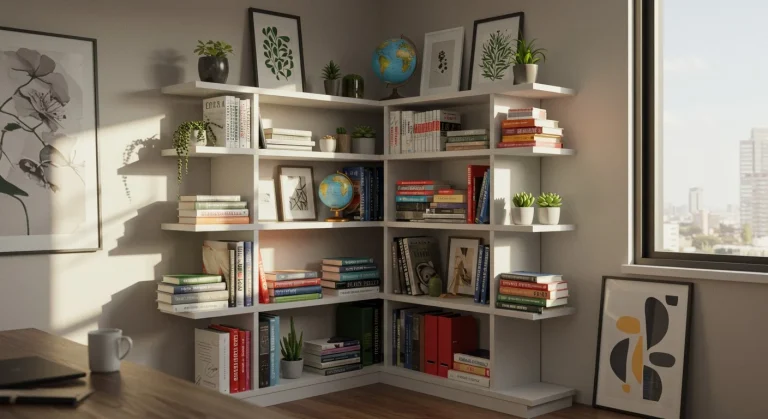
Decor minimalist styling works best when accessories feel curated instead of randomly scattered throughout shelves, counters, tables, and other visible surfaces indoors.
Thoughtful editing allows beautiful decorative details to stand out while preserving the clean and calming appearance of your home successfully.
Embrace Empty Space as Part of the Design

One important minimalist decorating principle involves appreciating empty space instead of feeling pressured to fill every visible wall, shelf, or furniture surface completely.
Negative space helps rooms breathe visually while making furniture arrangements, lighting features, and decorative accents appear more intentional and aesthetically balanced overall.
Leaving space between furniture pieces also improves movement flow and creates a more open, relaxing atmosphere throughout the home naturally and comfortably.
Minimalist rooms often feel luxurious because they avoid overcrowding and allow architectural details, textures, and natural light to become noticeable design features beautifully.
Rather than viewing emptiness negatively, minimalist interior styling treats open space as an essential design element supporting harmony and visual calm effectively.
This principle becomes especially valuable when decorating apartments, smaller homes, or multipurpose rooms requiring practical flexibility every day.
Focus on Natural Light Whenever Possible

Natural light plays an important role in minimalist decorating because it enhances openness, softness, and visual warmth without requiring excessive decorative additions indoors.
Large windows, lightweight curtains, and uncluttered surfaces help sunlight move freely throughout the room while making interiors feel brighter and more spacious naturally.
Even smaller spaces benefit greatly from reflective surfaces, mirrors, and light-colored walls that maximize available daylight during different times of the day.
Decor minimalist homes often avoid heavy window treatments because excessive fabric layers can block light and visually weigh down otherwise balanced spaces unnecessarily.
Soft natural lighting also highlights texture beautifully, allowing wood grain, linen fabrics, woven details, and matte finishes to add subtle visual interest effortlessly.
Creating brighter interiors through natural light supports both comfort and timeless simplicity without relying heavily on decorative distractions or overwhelming color combinations.
Add Warmth Through Texture Instead of Clutter

Minimalist interiors feel most inviting when texture replaces excessive decorative layering, creating warmth and depth without overcrowding the overall room design visually.
Natural materials like linen, cotton, wool, rattan, jute, stone, and unfinished wood help simple spaces feel comfortable and beautifully balanced throughout every season naturally.
For example, a woven throw blanket, textured rug, or ceramic table lamp can transform a plain room into a cozy minimalist retreat immediately.
Decor minimalist styling often relies on subtle contrast between smooth and textured surfaces to create visual interest while preserving clean and uncluttered aesthetics.
Layering textures thoughtfully prevents neutral spaces from appearing cold while maintaining the calming simplicity minimalist interiors are known for consistently.
This principle works especially well inside living rooms, bedrooms, and reading corners where comfort and relaxation remain important priorities daily.
Keep Storage Hidden and Organized

Clutter quickly disrupts minimalist interiors, which makes practical storage solutions essential for maintaining calm, clean, and visually balanced living spaces consistently.
Closed cabinets, storage baskets, under-bed containers, and multifunctional furniture help organize belongings while reducing unnecessary visual distractions throughout the home naturally.
Instead of displaying everything openly, minimalist decorating encourages selective visibility so important decorative pieces receive proper attention without competing against everyday clutter constantly.
A tidy room instantly feels larger, more peaceful, and easier to maintain during busy routines involving work, family responsibilities, or frequent entertaining gatherings.
Decor minimalist homes usually prioritize simple organization systems that support daily habits instead of complicated storage methods requiring constant maintenance unnecessarily.
Thoughtful organization allows your furniture, lighting, and decorative details to shine beautifully while preserving the clean atmosphere minimalist spaces depend on successfully.
Use Simple Lines and Balanced Shapes

Minimalist interiors often feature clean lines and uncomplicated shapes because these design elements create visual harmony without overwhelming the surrounding environment unnecessarily.
Straightforward furniture silhouettes, smooth surfaces, and balanced proportions help rooms feel organized, elegant, and naturally cohesive throughout different decorating styles and layouts.
This does not mean every item must appear rigid or modern.
Rounded edges, curved chairs, soft textiles, and organic shapes can still complement minimalist interiors beautifully when used thoughtfully and sparingly together.
Decor minimalist spaces feel calmer because visual simplicity reduces unnecessary distractions while emphasizing thoughtful composition and balanced room arrangements gracefully.
Maintaining consistency between shapes, furniture heights, and decorative proportions also strengthens the overall sense of harmony within each living area naturally.
Incorporate Nature Into the Space

Natural elements help minimalist interiors feel grounded, refreshing, and emotionally comforting without adding unnecessary decorative clutter throughout the home environment visually.
Indoor plants, wooden finishes, stone accents, dried branches, and natural textiles introduce organic beauty while softening clean minimalist lines elegantly and naturally.
Even a single well-placed plant can make a room feel more vibrant, healthy, and inviting while preserving the simplicity minimalist design encourages consistently.
Decor minimalist styling often pairs especially well with earthy textures because natural materials create warmth without disrupting visual balance or spatial openness indoors.
Plants also improve air quality while bringing subtle color variation into neutral spaces that might otherwise feel overly uniform visually over time.
This principle encourages homeowners to connect their interiors with nature in calming and practical ways that enhance everyday living beautifully.
Decorate With Meaningful Pieces Only

Minimalist decorating encourages intentional living by prioritizing meaningful belongings instead of accumulating decorative objects that provide little emotional or functional value long-term.
Family photographs, handmade ceramics, favorite books, or travel souvenirs can still remain part of your decor when displayed thoughtfully and selectively throughout the home.
Rather than hiding personality, minimalist interiors highlight important pieces more effectively because fewer distractions compete for visual attention simultaneously within the room design.
Decor minimalist spaces often feel more authentic because every visible item contributes emotionally, aesthetically, or practically to the environment intentionally and naturally.
Choosing meaningful decor also helps prevent unnecessary purchases while encouraging more thoughtful decorating habits over time consistently.
This principle supports a home atmosphere that feels personal, calming, and beautifully connected to everyday experiences and cherished memories naturally.
Maintain Consistency Throughout the Home

A cohesive decorating style helps minimalist homes feel calm and visually connected instead of fragmented by conflicting colors, materials, and furniture arrangements unexpectedly.
Consistency does not require every room looking identical, although repeating similar tones, finishes, and textures creates smoother visual flow throughout the entire home naturally.
For example, using similar wood finishes, neutral palettes, or textile styles helps transitions between rooms feel balanced and intentional aesthetically.
Decor minimalist interiors usually avoid dramatic decorating shifts because excessive variation can create visual tension and disrupt the peaceful atmosphere minimalist spaces aim to achieve.
Maintaining consistency also simplifies future decorating updates because new furniture or accessories integrate more naturally within the existing design direction successfully.
A unified approach ultimately helps your home feel organized, harmonious, and thoughtfully designed without appearing overly staged or repetitive visually.
Edit Your Space Regularly

Minimalist decorating remains an ongoing process because homes naturally collect unnecessary belongings, seasonal clutter, and impulse purchases over time gradually and quietly.
Regular editing helps maintain visual simplicity while ensuring every room continues supporting comfort, organization, and functional daily living successfully and naturally.
Every few months, evaluate furniture arrangements, decorative accessories, storage areas, and unused items that no longer contribute positively to your living environment meaningfully.
Decor minimalist homes stay visually balanced because homeowners consistently refine their spaces instead of allowing clutter to accumulate unnoticed throughout busy routines.
This habit also encourages more mindful shopping decisions because you become increasingly aware of what genuinely improves your home experience long-term.
Refreshing your space regularly keeps minimalist interiors feeling intentional, calming, and aligned with your evolving lifestyle needs beautifully and practically.
Small Changes That Instantly Make Rooms Feel More Minimalist
Many homeowners assume minimalist decorating requires expensive renovations, although simple adjustments often create noticeable improvements without major financial investments immediately.
Removing unnecessary surface clutter, rearranging furniture for better movement flow, and introducing lighter textiles can dramatically improve room atmosphere surprisingly quickly.
Replacing bulky curtains with airy fabric panels also helps spaces feel brighter and more visually open throughout different times of the day naturally.
Another effective strategy involves reducing decorative duplicates while choosing fewer statement pieces that better support the room’s overall visual harmony consistently.
Even organizing visible cords, storage baskets, and countertops can make interiors appear cleaner, calmer, and significantly more intentional without changing furniture completely.
Minimalist decorating succeeds best when homeowners focus on gradual improvements instead of rushing toward unrealistic perfection immediately or unnecessarily.
Common Minimalist Decorating Mistakes to Avoid
One common mistake involves removing too much decor too quickly, which can leave rooms feeling unfinished, uncomfortable, or emotionally disconnected from everyday living naturally.
Another frequent issue appears when homeowners prioritize appearance alone while ignoring comfort, practicality, and realistic lifestyle needs within their decorating decisions consistently.
Overusing bright white surfaces without adding texture often creates cold interiors lacking warmth, personality, and visual depth throughout the home environment visually.
Many people also purchase excessive storage containers instead of reducing clutter thoughtfully, which eventually creates hidden disorganization behind closed doors unnecessarily.
Decor minimalist spaces should feel functional, peaceful, and welcoming rather than strict, overly sterile, or difficult to maintain during normal daily routines realistically.
Focusing on balance instead of perfection helps homeowners create minimalist interiors that remain beautiful, comfortable, and genuinely supportive of everyday life naturally.
Final Wrap-Up
Minimalist decorating creates homes that feel calmer, brighter, and easier to enjoy by focusing on intentional choices instead of unnecessary visual excess everywhere.
These thirteen principles help transform ordinary rooms into welcoming spaces that balance simplicity, warmth, functionality, and timeless style beautifully and naturally together.
Whether you begin with decluttering, improving natural light, simplifying furniture layouts, or adding more texture, small changes often create meaningful improvements surprisingly quickly.
Decor minimalist styling ultimately supports peaceful living by helping homeowners focus more on comfort, organization, and meaningful design choices every single day naturally.
Instead of chasing perfection, aim for steady progress that makes your home feel more relaxing, practical, and personally connected to your lifestyle needs beautifully.