How to Create a Vertical Garden for Apartment Balcony

A vertical garden uses wall-mounted planters, trellises, or hanging systems to grow plants upward instead of outward, making it perfect for small balcony spaces.
This space-saving technique allows apartment dwellers to grow herbs, flowers, and vegetables in just a few square feet of vertical wall space.
Your apartment balcony doesn’t have to look like a sad concrete slab with a rusty chair.
Even if you’re working with barely enough space to turn around, you can transform that vertical real estate into an actual garden.
The best part? You don’t need a green thumb or a trust fund to make it happen.
Step 1: Assess Your Balcony’s Light and Weight Limits
Before you buy a single plant, spend a day watching how sunlight moves across your balcony. Track which areas get direct sun, partial shade, or stay dark all day.
Most balconies can handle way more weight than you’d think, but check your lease anyway. Some buildings have strict rules about modifications or weight restrictions.
FYI, south-facing balconies get the most sun in the Northern Hemisphere. North-facing ones stay shady, which actually works great for ferns and certain herbs.
Step 2: Choose Your Vertical Garden System
You’ve got options here, and honestly, some work better than others depending on your setup.
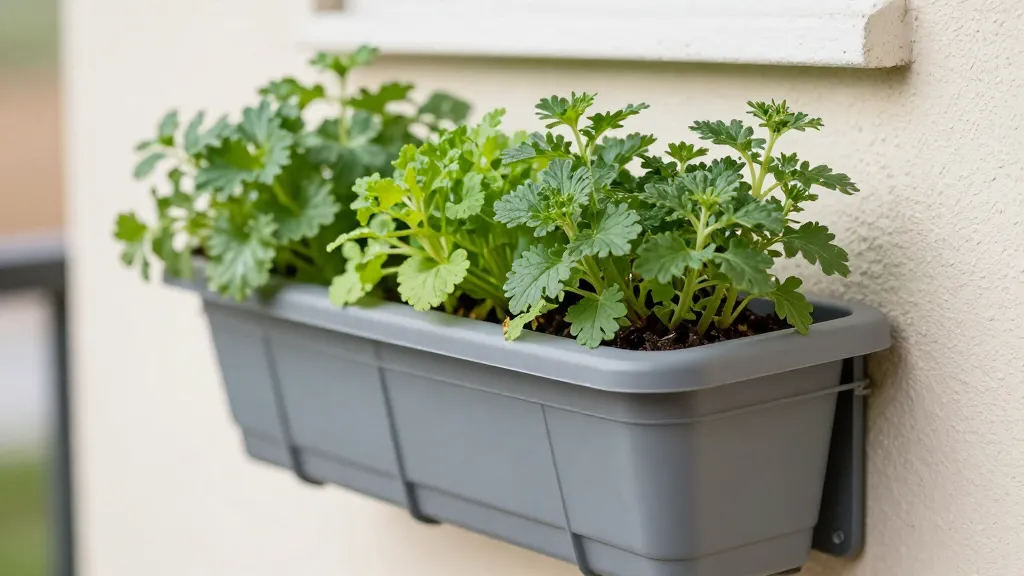
Wall-Mounted Planters
Pocket planters made from fabric hang flat against walls and work brilliantly for herbs and small flowers. They’re lightweight and don’t require drilling if you use command hooks rated for outdoor use.
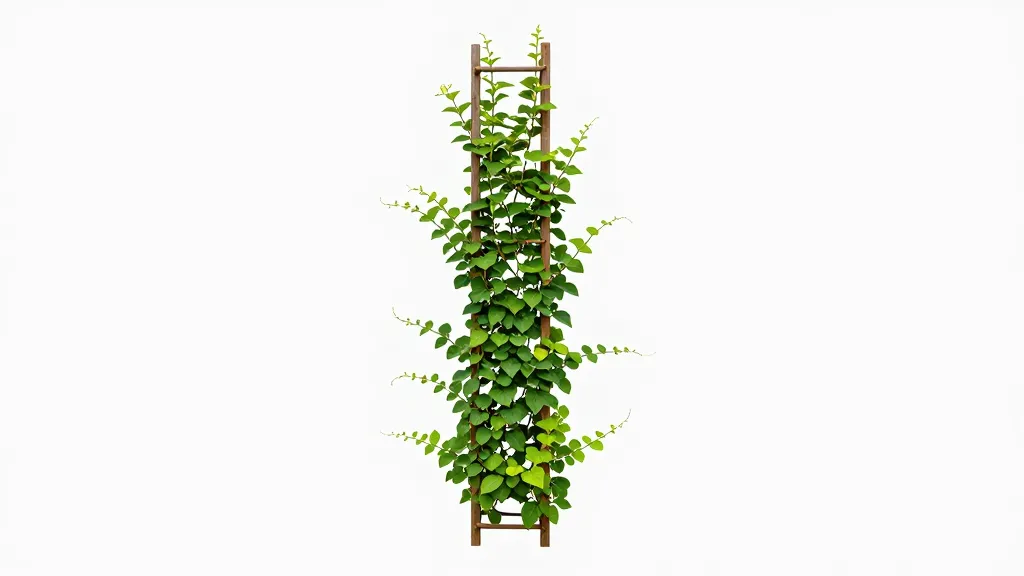
Freestanding Trellis Systems
These lean against your balcony railing or wall without any permanent installation. Perfect for renters who can’t make holes.
Hanging Planters and Shelves
Macramé hangers aren’t just for your grandmother’s house anymore. They maximize vertical space and look pretty decent too.
I’m partial to tiered plant stands myself. They give you multiple levels without taking up floor space.
Step 3: Select Plants That Actually Thrive Vertically
Not every plant wants to grow up a wall. Stick with varieties that naturally climb, trail, or stay compact.
Herbs like basil, thyme, and mint practically grow themselves and give you free groceries. Cherry tomatoes work great if you have decent sun. Strawberries love hanging planters.
For shade situations, try pothos, ferns, or English ivy. These guys tolerate low light like champs.
Avoid plants with massive root systems. Squash and pumpkins have no business on your balcony unless you enjoy disappointment.
Step 4: Set Up Your Irrigation System
Watering vertical gardens is annoying because gravity exists. Water runs down and the top plants hog everything while bottom ones stay thirsty.
A drip irrigation kit solves this problem for about thirty bucks. Connect it to your kitchen faucet with a timer, and you’re basically living in the future.
No budget for that? Water from the top down, slowly. Give each plant individual attention instead of just dumping water everywhere.
The Bottom Tray Trick
Put a tray or small planter at the very bottom to catch runoff. You’ll save water and avoid annoying your downstairs neighbors.
Step 5: Install Everything Safely and Securely
Nobody wants their garden crashing down during the first windstorm. Use proper anchors rated for outdoor conditions.
Test your setup by giving it a gentle tug. If it wobbles, reinforce it. Secure top-heavy planters with extra hooks or zip ties to railings.
Leave enough space between plant levels for air circulation. Cramming everything together invites mold and pests.
Step 6: Fill With Quality Potting Mix and Plant
Don’t use garden soil from the ground. It’s too heavy and compact for containers.
Get a lightweight potting mix designed for containers. Mix in some perlite if you’re using deeper planters. This keeps roots from drowning.
Plant slightly closer together than package directions suggest. Vertical gardens look better when they’re full and lush rather than sparse.
Step 7: Maintain Your Garden Weekly
Spend 15 minutes every week checking for dry soil, dead leaves, and uninvited bugs.
Fertilize every two weeks during growing season. Container plants eat through nutrients faster than ground-planted ones.
Rotate your planters occasionally if one side isn’t getting enough light. Plants lean toward the sun like awkward teenagers.
Key Takeaways
- Vertical gardens maximize limited balcony space by using walls and vertical structures instead of floor area
- Choose your system based on whether you can drill holes or need a renter-friendly freestanding option
- Match your plants to your actual sunlight conditions, not wishful thinking about what you want to grow
- Drip irrigation or careful top-down watering prevents the top plants from hogging all the moisture
- Regular maintenance beats intensive monthly sessions every single time
Final Thoughts
Creating a vertical garden won’t turn your balcony into a botanical wonderland overnight. But after a few weeks, you’ll have actual living plants where there used to be empty wall space.
Start small if this is your first attempt. Three or four herb planters teach you way more than an ambitious setup that overwhelms you by week two.
IMO, the best part isn’t even the plants themselves. It’s stepping outside with your morning coffee and seeing something you built with your own hands, still growing.