How To Decorate A Long Wall In Living Room

To decorate a long wall in a living room, create visual balance by dividing the space into sections using a mix of large-scale artwork, mirrors, shelving, or a gallery wall arrangement.
Layer different elements at varying heights and depths to add dimension and prevent the wall from feeling flat or overwhelming.
Staring at a massive blank wall in your living room can feel pretty intimidating.
That endless stretch of drywall isn’t going to decorate itself, and slapping up a single piece of art usually makes the problem worse.
The good news? A long wall is actually a design opportunity, not a curse.
You just need the right game plan to turn that awkward expanse into the best feature in your room.
The Art of Division: Creating Rhythm and Depth on Blank Drywall
Mastering the Long Wall
Turn intimidating empty spaces into beautifully balanced living room focal points.
Measure & Plan First
Note exact dimensions and obstacles. Map out your anchor piece or gallery to sit comfortably at eye level (57-60 inches).
Add Depth & Layers
Break up the flat drywall by installing floating shelves or picture ledges at staggered heights for plants and layered art.
Mix Elements & Mirrors
Combine frames, textiles, and mirrors to create rhythm. Mirrors reflect natural light and instantly add dimensional space.
Anchor & Illuminate
Ground your layout with furniture like a credenza. Finish with sconces or picture lights to transform 2D decor into a 3D focal point.
Key Takeaways
- Always measure your wall and plan your layout before buying or hanging anything to avoid costly mistakes
- Create visual balance by dividing long walls into sections with varied heights and depths
- Mix different elements like art, mirrors, shelving, and textiles instead of relying on one type of decor
- Ground your wall design with appropriate furniture below and maintain proper spacing between pieces
- Don’t forget lighting, which transforms flat wall decor into a three-dimensional focal point
Step 1: Measure and Map Your Wall Space
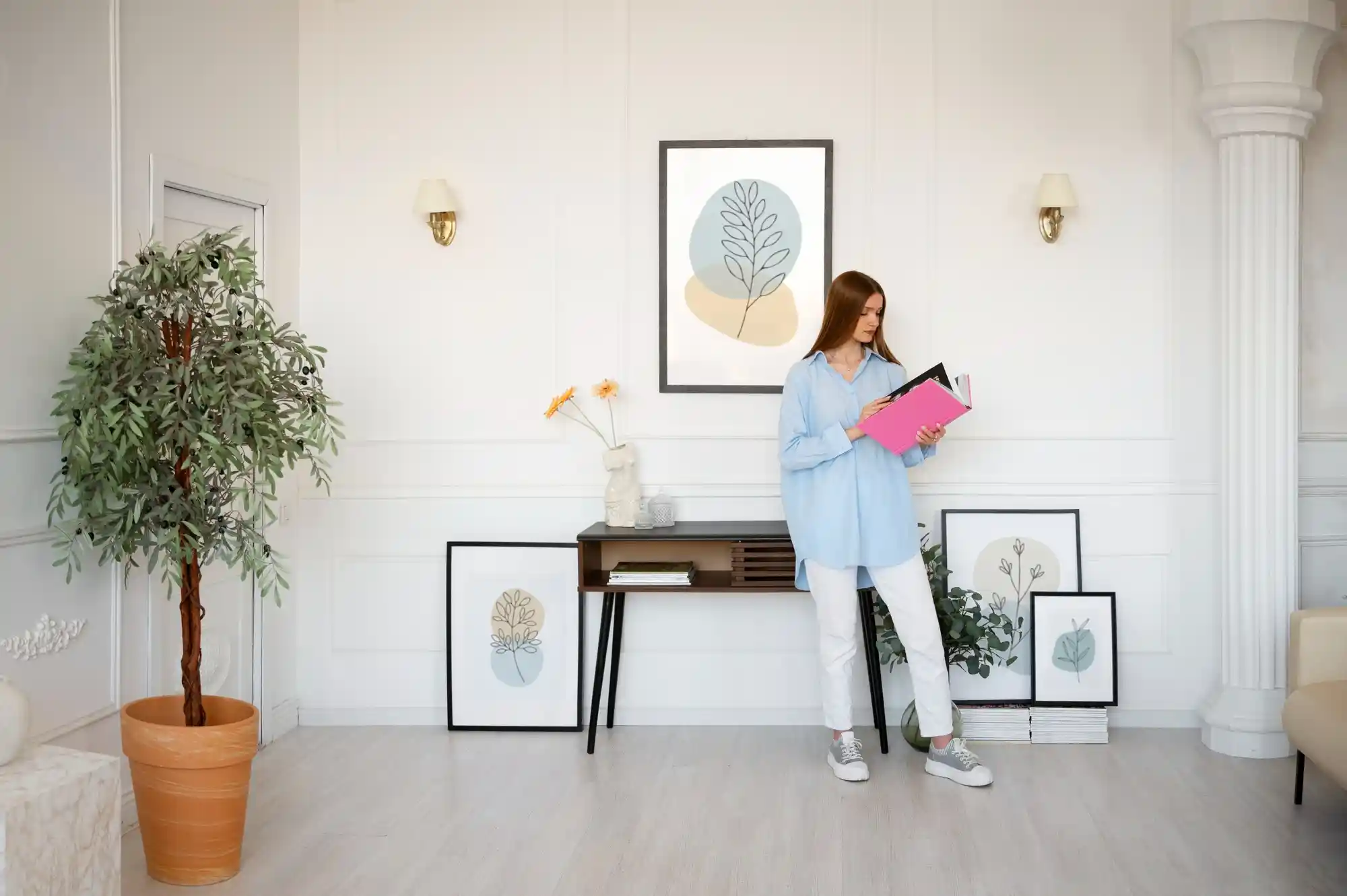
Before you buy or hang anything, grab a tape measure and get the exact dimensions of your wall. Write them down.
This sounds basic, but you’d be surprised how many people eyeball it and end up with art that’s way too small or furniture that doesn’t fit.
Measure the total length and height, then note any obstacles like windows, outlets, or vents.
Sketch a rough diagram on paper or use a free app like MagicPlan. Mark where your furniture sits below the wall since that affects your design choices.
Consider Your Viewing Distance
Stand where you normally sit or walk in the room. What catches your eye first?
The center of your wall decor should sit at eye level, which is typically 57 to 60 inches from the floor. Adjust based on your ceiling height and furniture.
Step 2: Choose Your Anchor Piece or Layout Style
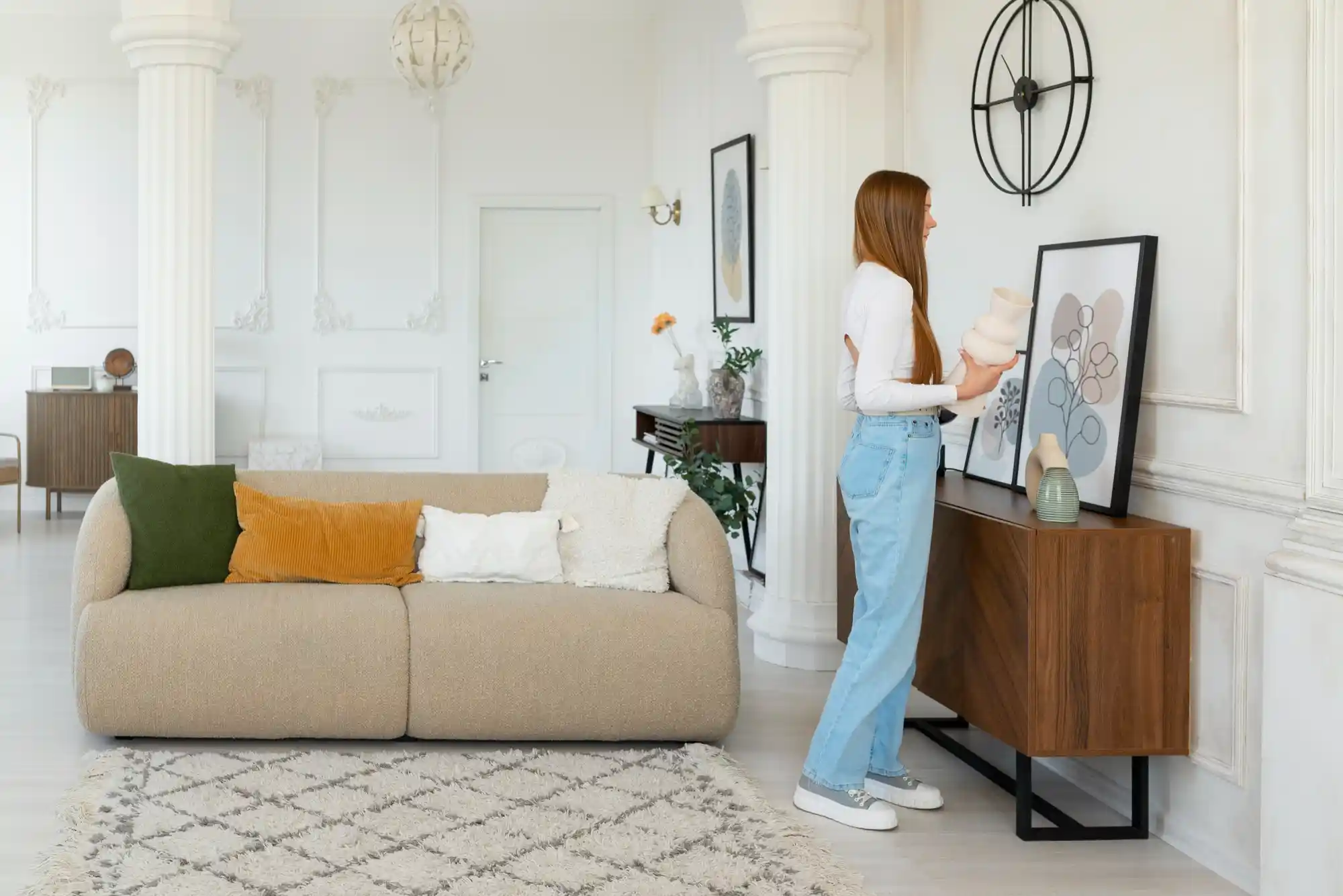
You need to pick a direction here. Do you want one large statement piece as your focal point, or are you going for a gallery wall with multiple items?
A single oversized piece works great if you love minimalist vibes or have a huge abstract painting you’re obsessed with. Think 60 inches wide or larger for a really long wall.
Gallery walls give you more flexibility and personality. You can mix photos, art prints, mirrors, and even small shelves into one cohesive display.
The Rule of Thirds Hack
Mentally divide your wall into three horizontal sections. This helps you distribute visual weight evenly instead of cramming everything into one spot.
Place larger items in one or two sections, then balance with smaller elements in the remaining space.
Visual Weight Distribution
Mentally slice your long wall into three equal horizontal zones
Primary Anchor
Place your largest statement piece or heavy focal item here.
Secondary Flow
Transition with mid-sized shelves or vertical mirrors.
Counter Balance
Fill with smaller frames or soft textiles to finish the line.
Step 3: Add Depth With Shelving or Ledges
Flat walls are boring. Sorry, but it’s true.
Install floating shelves or picture ledges at different heights to create layers. This breaks up the monotony and gives you spots to rotate decor seasonally.
Try a mix of three shelves: one at upper-wall height for art or plants, one at mid-level for books and objects, and maybe one lower shelf if your layout allows.
Stagger them instead of stacking them perfectly aligned, which looks too rigid.
Style Your Shelves Thoughtfully
Don’t just dump stuff on your shelves randomly. Group items in odd numbers (three or five works better than four or six).
Lean artwork against the wall instead of hanging it for a more casual, collected-over-time feel. Add a plant, some books, maybe a small sculpture. Leave breathing room.
The Magic Grouping Rule
Human eyes naturally prefer asymmetry. Always cluster your shelf objects in groups of 3 or 5 rather than even pairs to create organic visual movement.
Step 4: Create a Gallery Wall Layout
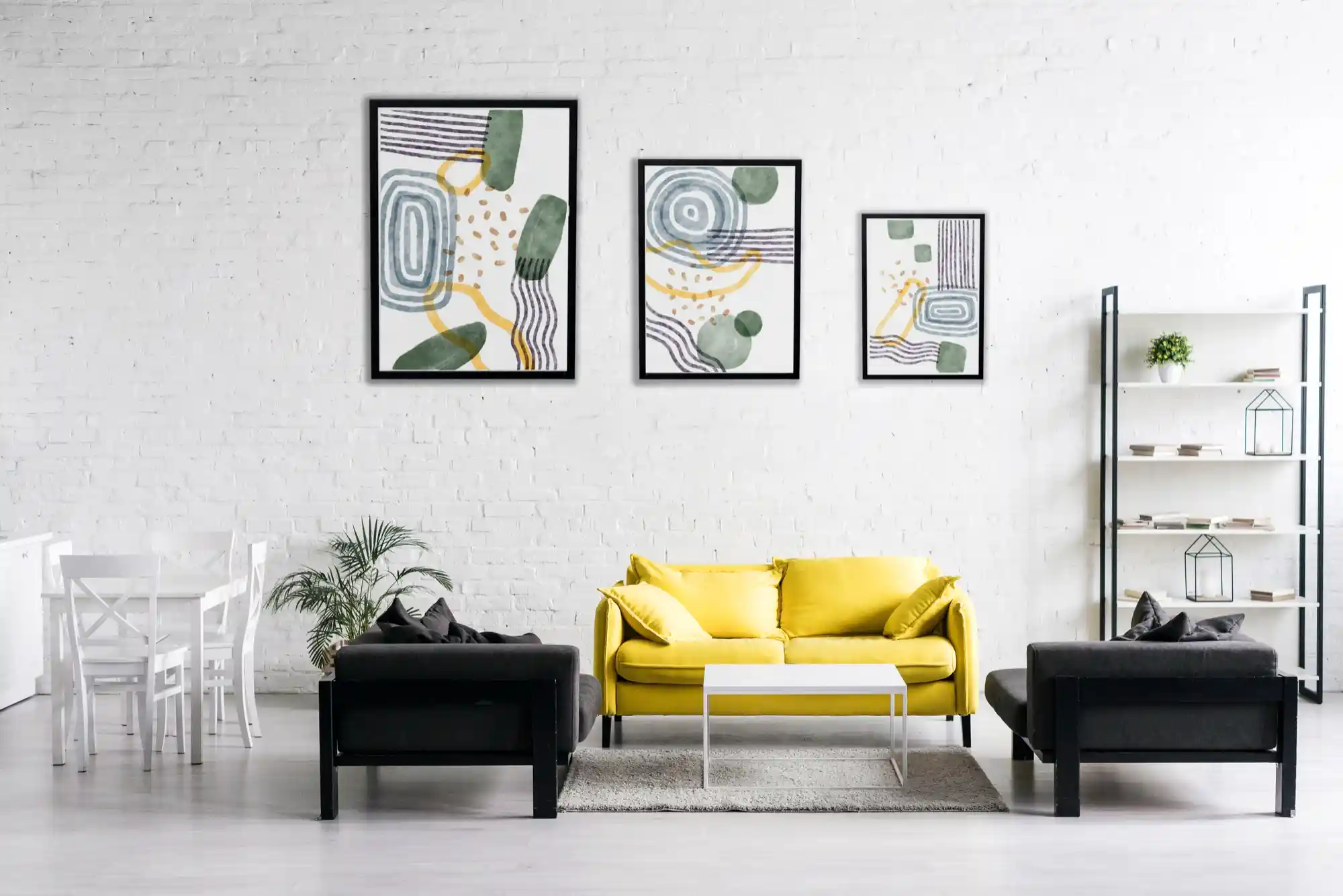
If you’re going the gallery wall route, plan your arrangement on the floor first. Seriously, do this.
Lay out all your frames and pieces in the exact configuration you want. Take a photo from above so you remember the layout when you’re standing on a ladder with a hammer.
Start hanging from the center and work outward. Keep spacing consistent between frames, usually 2 to 3 inches works well.
Mix Frame Styles for Interest
Matching frames can look great, but mixing different finishes (black, wood, brass) adds more character. Just pick a unifying element like similar mat colors or a consistent color palette in the artwork itself.
IMO, perfectly symmetrical gallery walls can feel a bit sterile. Embrace some organic asymmetry.
The Golden Spacing Standard
2 to 3 Inches RuleKeep your frame gaps tight and uniform. Spacing between 2 to 3 inches ensures individual pieces read as a cohesive single installation rather than isolated floating objects.
Step 5: Incorporate Mirrors for Dimension
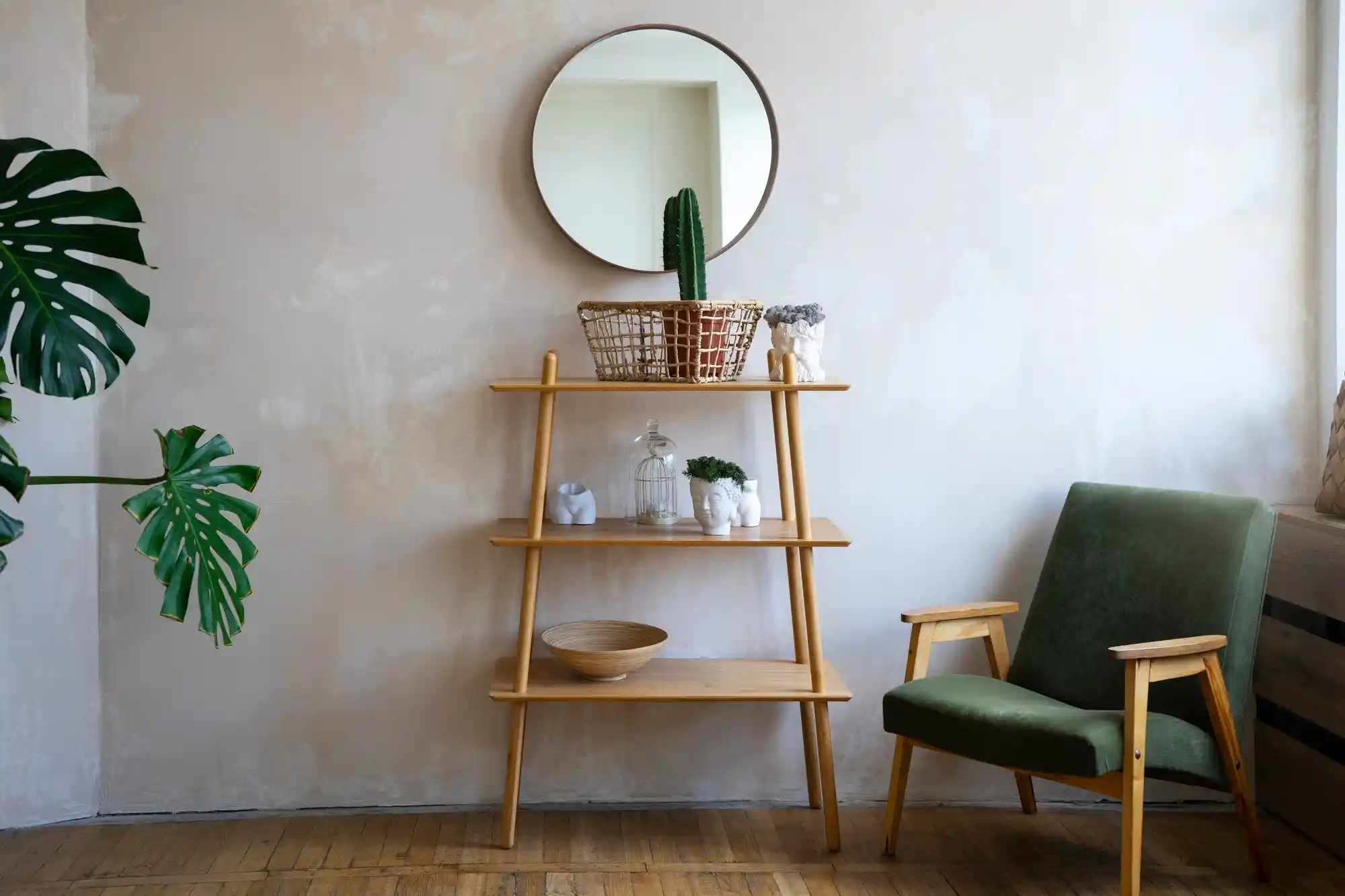
Mirrors are your secret weapon on long walls. They reflect light, make your room feel bigger, and add visual interest without overwhelming the space.
A series of three identical mirrors creates rhythm along your wall. Or go bold with one huge leaning mirror if you have the floor space.
Position mirrors across from windows when possible to maximize natural light. Just avoid placing them where they’ll reflect clutter or awkward angles.
Step 6: Balance With Furniture and Textiles
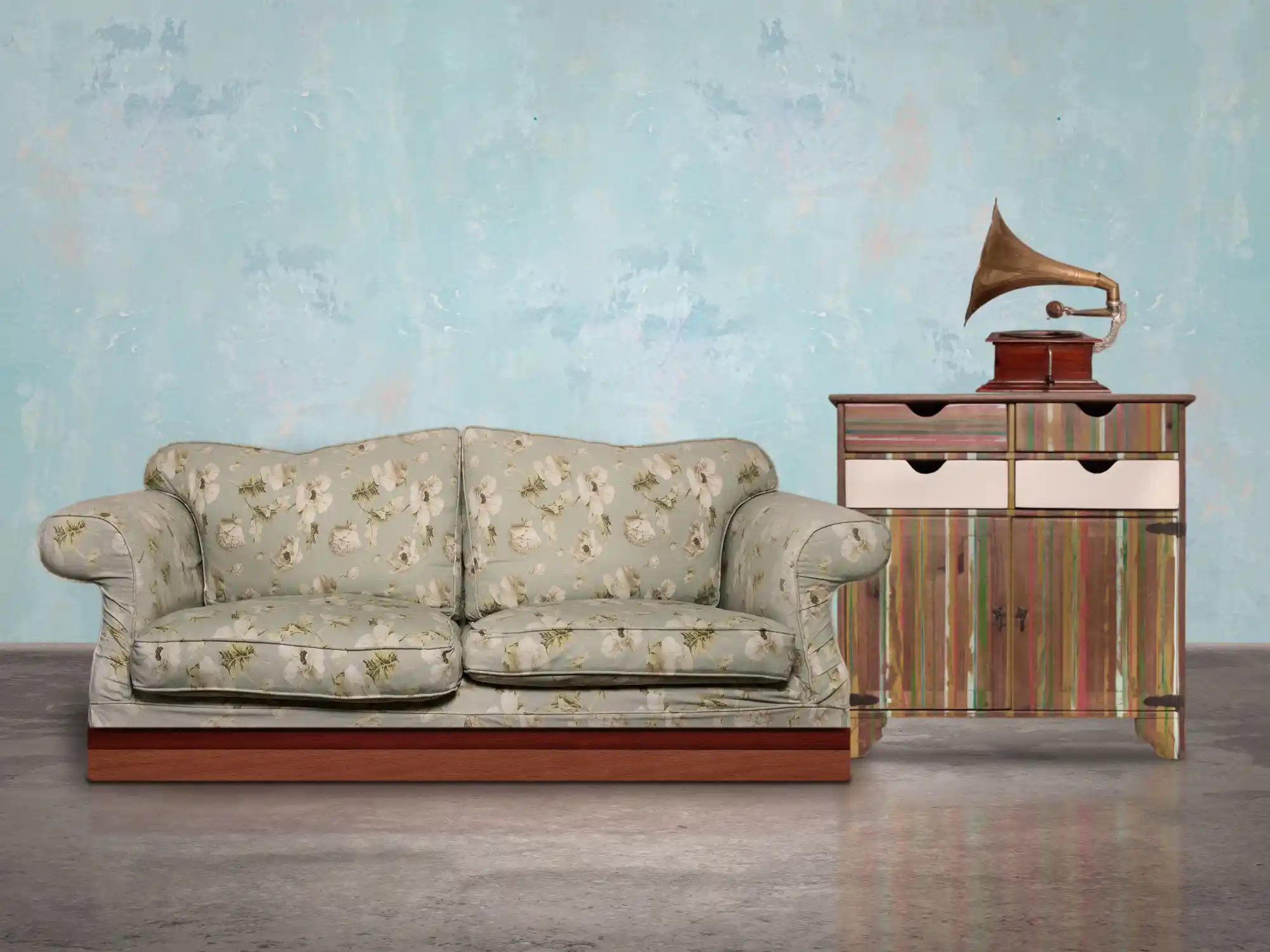
Your wall decor shouldn’t exist in isolation. The furniture below matters just as much.
A long console table or credenza grounds your wall arrangement beautifully. Style it with lamps, plants, or decorative boxes that echo colors from your wall art.
If you’re working with a sofa against the wall, hang art 6 to 8 inches above the back cushions. Too high creates a floating effect that looks disconnected.
Add Texture With Wall Hangings
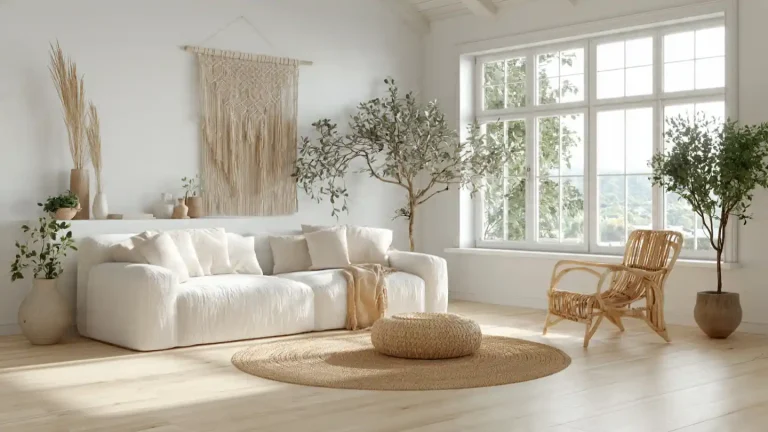
Woven wall hangings, macrame, or textile art adds warmth and breaks up hard surfaces. This works especially well if your wall feels cold or echoey.
Mix a textile piece with framed art for contrast. The combination of soft and structured creates more depth than either would alone.
Step 7: Light It Properly
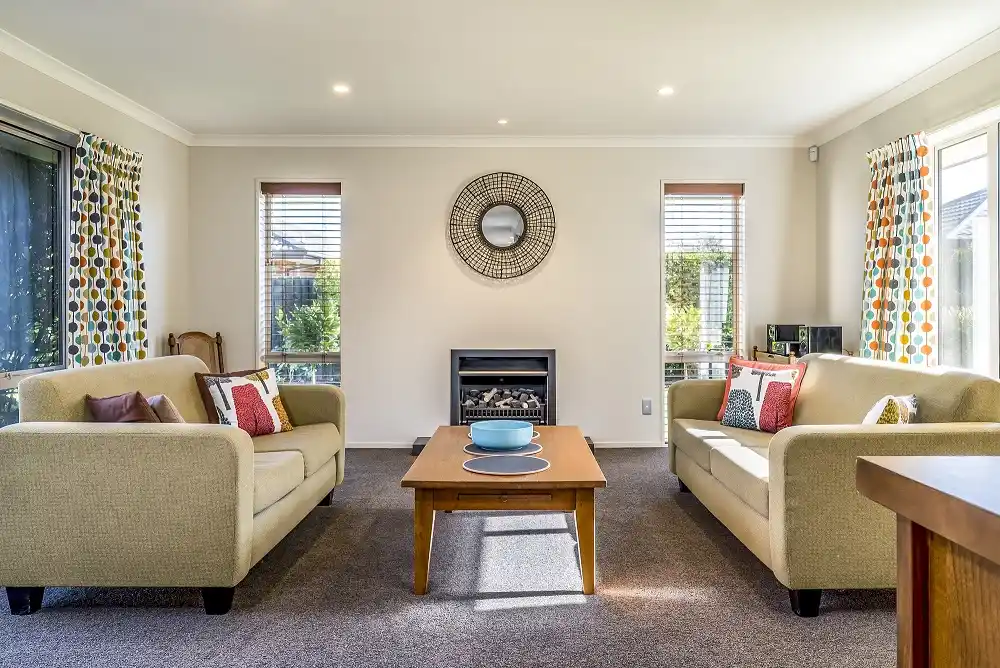
Even the best wall design falls flat (literally) without good lighting. Install picture lights above large artwork or use track lighting to highlight your gallery wall.
Wall sconces flanking a central piece add drama and ambiance. They also serve a practical purpose for evening lighting.
Consider LED strip lights behind floating shelves for a modern touch. The glow creates separation from the wall and makes objects pop.
Wrap Up
Decorating a long wall doesn’t have to drain your budget or stress you out. Start with one good anchor piece or layout style, then build from there.
The biggest mistake people make is thinking they need to fill every inch of space immediately. Honestly, a long wall can evolve over time as you find pieces you love.
Give yourself permission to experiment with arrangements before committing to nail holes. FYI, removable adhesive strips are your friend during the testing phase.
Your living room wall should reflect your personality, not look like a furniture showroom. Trust your instincts, and don’t be afraid to break a few design rules along the way.